What seasonal vegetables are there to eat in autumn?
What vegetables are there in autumn
Autumn seasonal vegetables include: okra, water caltrop, lotus root, chili pepper, chestnut, winter melon, green beans (kidney beans), sweet potato leaves, long beans, Chinese yam, Chinese cabbage, hyacinth bean, cauliflower, carrot, lotus root, scallion, long beans, cucumber, tomato, lotus root, eggplant, lily bulb, etc.
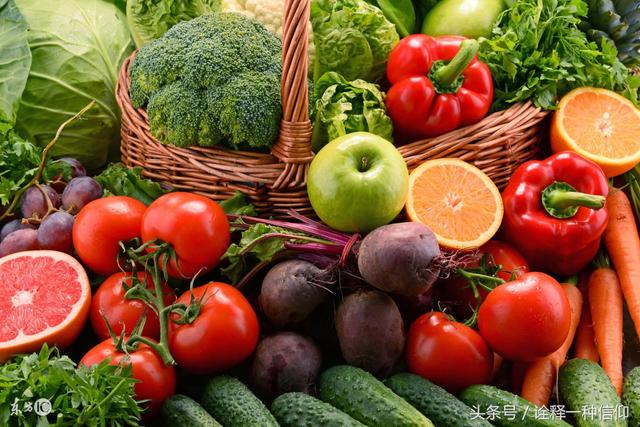
What vegetables are good to eat in autumn?
Dark green and brownish-red vegetables, eat 1 jin every day
Autumn is dry, so eat more green leafy vegetables, because they are high in vitamins and eating more is beneficial. An adult should eat at least 1 jin of vegetables every day. Dark-colored vegetables such as spinach, green bok choy, celery, garland chrysanthemum, amaranth, carrot, like brownish-red vegetables, are not only rich in vitamins but even higher in carotene. Carotene is a treasure for the human body; traditional Chinese medicine believes it can tonify the middle qi, strengthen the stomach and aid digestion, strengthen primordial yang, and calm the five viscera, and it has good effects in treating indigestion, chronic dysentery, cough, night blindness and so on, so it is hailed as the "Oriental ginseng". Eaten after being stir-fried in oil, it can be converted into vitamin A in the human body, which can improve immunity and indirectly eliminate cancer cells. A special reminder is that spicy foods such as chili pepper should be eaten sparingly.
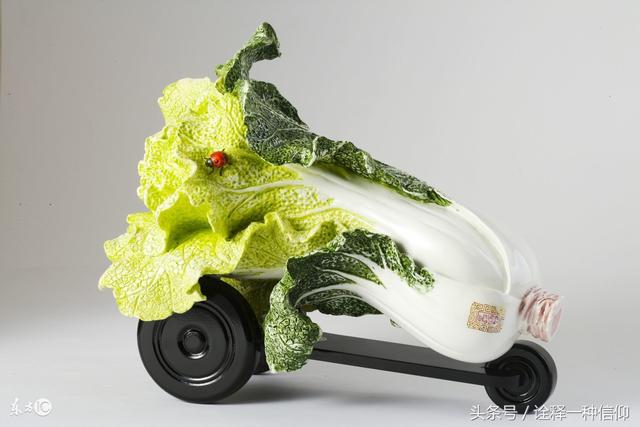
Chinese cabbage
Long-pickled potherb mustard helps digestion
Experts strongly recommend mustard-family vegetables. For example, kohlrabi, pickled mustard tuber, and three-leaf green. This is because mustard vegetables are very high in glucosinolates, whose hydrolysis products are anti-cancer, and eating more of them can prevent cancer. Now that the weather has turned cooler, pickled and fermented vegetables do not spoil easily, so you can also eat a bit more. Most people think that pickled vegetables are high in nitrites and easily cause cancer, but in fact this view is not entirely correct. Pickling potherb mustard for just two or three days and putting it on the table is very unscientific, because vegetables pickled for a short time are especially high in nitrites, but after pickling for one or two months, the nitrites have mostly dissipated, and all that is left in the potherb mustard and fermented vegetables is abundant lactic acid bacteria, and lactic acid bacteria aid digestion. That is why people find potherb mustard and fermented vegetables especially appetizing with rice.
White vegetables nourish yin and promote body fluids
White vegetables can nourish yin and promote body fluids, such as radish, cauliflower, lily bulb, Chinese yam, etc. In summer the body fluids are severely depleted, and now that autumn has just begun, you should eat more vegetables that nourish yin and promote body fluids." White vegetables generally have thicker body fluids.
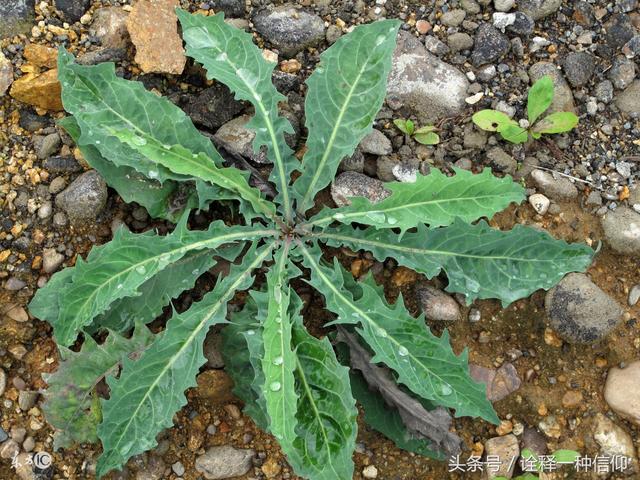
Mustard greens
In autumn, eggplant is cooling in nature and is bad for the spleen and stomach
For early-autumn health care, there is another principle: "strengthen the spleen and resolve dampness". Traditional Chinese medicine emphasizes the unity of heaven and man; in autumn, the human body must first take good care of the spleen and stomach before it can prepare for winter. Autumn eggplant is cooling and slippery in nature, so those with deficient cold of the spleen and stomach should not eat much of it. Eating pumpkin, however, is very good for the spleen and stomach.
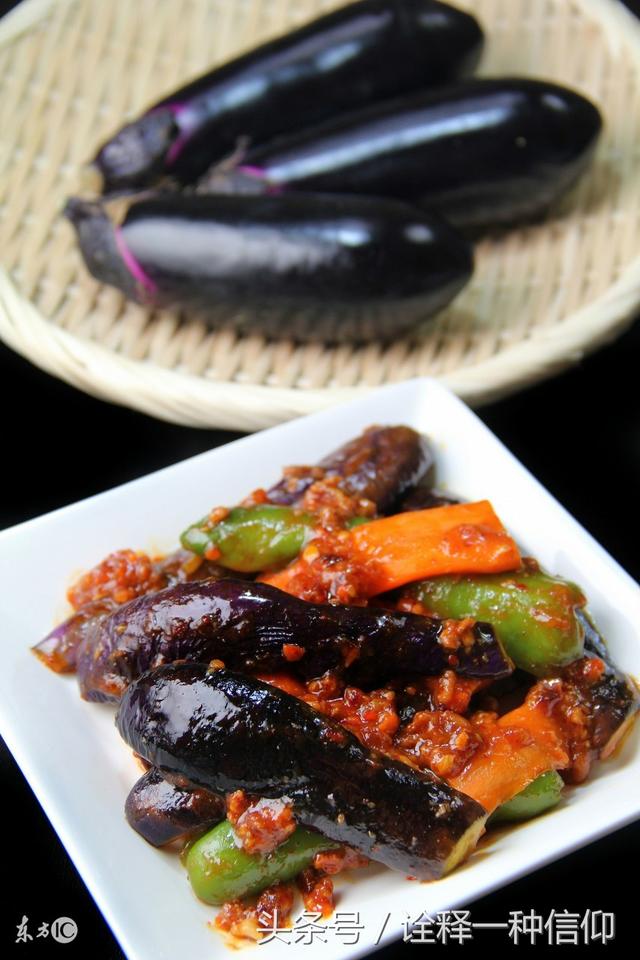
Eggplant
Lotus root is the king of Oriental vegetables and fights aging
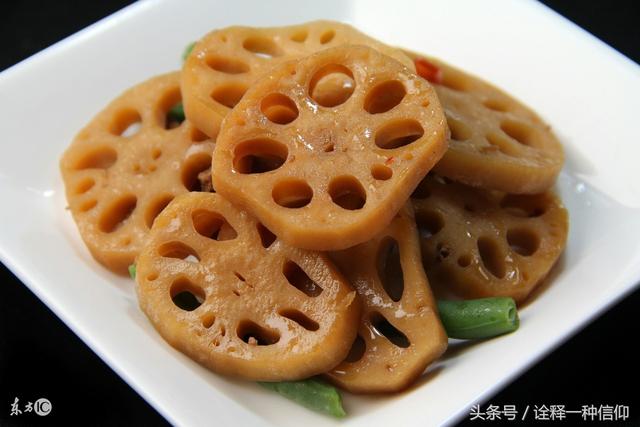
In autumn you can eat some lotus root; lotus root is the king of Oriental vegetables, rich in polyphenols, which can improve immunity and also resist aging. In addition, after lotus root is processed until cooked, its nature changes from cooling to warm; although it loses its properties of dissipating blood stasis and clearing heat, it becomes beneficial to the spleen and stomach, with the effects of nourishing the stomach and nourishing yin, enriching blood, and stopping diarrhea.
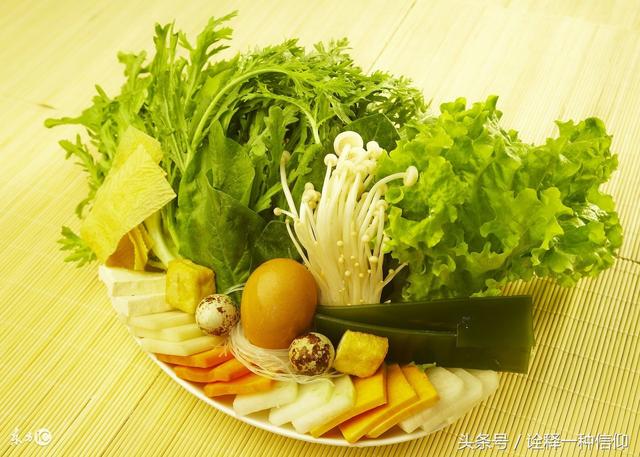
Garland chrysanthemum
Compared with other vegetables abundant in autumn, garland chrysanthemum has the highest content of potassium and iron, with 220 mg and 2.5 mg per 100 grams respectively.
Garland chrysanthemum contains volatile oil with a special fragrance, which helps to stimulate appetite and promote the flow of qi; eating more is beneficial for people with abdominal bloating caused by indigestion, and it also helps those with difficult urination and defecation. But because it is pungent, fragrant and slippery, people with diarrhea should not eat much of it. Because it contains relatively high amounts of mineral salts such as potassium and iron, garland chrysanthemum is very suitable for people with high blood pressure and anemia. In addition, the various amino acids and proteins it is rich in help regulate water and fluid metabolism in the body, promote urination, and eliminate edema.
Stir-frying garland chrysanthemum together with meat, eggs and other meat dishes can increase the utilization rate of its vitamin A. The aromatic essential oil in it volatilizes easily when heated, so it should be stir-fried quickly over high heat when cooking.
Garland chrysanthemum
Baby bok choy
Baby bok choy is also called green bok choy or oil bok choy. Among autumn vegetables, baby bok choy has the highest calcium and zinc content. The content per 100 grams of edible portion is 90 mg and 0.51 mg respectively. Its calcium content is almost 2 to 3 times that of Chinese cabbage. Pregnant women and children have a relatively high demand for calcium, and children are often deficient in calcium and zinc, so it is recommended to eat more baby bok choy for dietary supplementation.
Baby bok choy is neutral in nature and sweet in taste. Patients with cough due to lung heat or constipation may want to eat more baby bok choy, but people with deficient cold of the spleen and stomach or symptoms of diarrhea should not eat much of it. Baby bok choy can be eaten in many ways, but note that it should not be stir-fried or simmered for too long, so as to avoid losing nutrients.
Oil bok choy
Sweet potato
Sweet potato is rich in starch. Among autumn vegetables, every 100 grams of sweet potato has the highest sugar content, reaching 23.1 grams. But its content of amino acids, vitamins A, B, and C, and cellulose is higher than that of rice and white flour, and it is also rich in essential minerals such as iron and calcium.
Sweet potato is relatively high in starch and sugar, and can easily cause high blood sugar after meals. But compared with steamed buns and bread, sweet potato is not outstanding in these two indicators, and because it is high in fiber and is a coarse grain that digests slowly, diabetics can eat some without harm; exchanging it for the refined-grain staple foods they often eat may even be better for the body. Sweet potato contains crude fiber; people with relatively strong internal heat can eat a bit more of it, which helps relieve symptoms such as constipation.
Sweet potato
Cucumber
The cellulose contained in fresh cucumber is very delicate; it can both accelerate the excretion of putrefying substances in the intestines and has the function of lowering blood cholesterol. Therefore, patients with obesity, high cholesterol and arteriosclerosis benefit greatly from eating cucumber often, but those with weak spleen and stomach, abdominal pain and diarrhea, or cough due to cold in the lungs should eat less.
The tail end of the cucumber contains more bitter compounds, which have anti-cancer effects, so do not discard the tail end. Raw cucumber should not be eaten in large amounts, and special attention should be paid to washing it clean. As for pickled cucumber, people with liver disease, cardiovascular disease, gastrointestinal disease and high blood pressure had best not touch it. Cucumber contains ascorbate oxidase, which destroys vitamin C when eaten raw, so it is best eaten cooked, or eaten between meals, so as to avoid destroying the vitamin C in other vegetables, fruits and other foods.
Cucumber
Cucumber
Cucumber
Celery leaves
Among autumn vegetables, celery leaves rank first in content of vitamin E and the four minerals magnesium, manganese, copper and phosphorus. The higher the potassium, calcium and magnesium in food, the less likely blood pressure is to rise.
At the same time, celery is cooling in nature, so patients with high blood pressure caused by internal heat benefit from eating more celery. Cardiovascular experts abroad once pointed out in research that chewing raw celery has a good blood-pressure-lowering effect.
When eating celery, many people take only the stalks and discard the leaves, a habit that is really unscientific. This is because the content of nutrients in celery leaves is higher than in celery stalks.
Celery
Pumpkin
Compared with other autumn vegetables, every 100 grams of edible portion of pumpkin contains only 0.1 grams of fat. But eating too much pumpkin can cause blood sugar to rise, so diabetics should choose it carefully. Those who really love it had best make pumpkin into pumpkin powder so they can eat a small amount over the long term.
It is best not to eat it together with mutton, and people with athlete's foot or jaundice are also not suited to eating it. This is because traditional Chinese medicine believes these two conditions are caused by damp-heat, and pumpkin is sweet and warm and neutral in nature, which may aggravate the discomfort.
Pumpkin should not be stored for too long, otherwise the flesh will produce alcohol through anaerobic fermentation, and eating it can easily cause poisoning. Be sure to check pumpkin carefully before eating it; if you find decayed spots on the skin, or if it gives off an alcoholic smell after cutting, then it must not be eaten.
Cucumber
Carrot
Carotene is a type of vitamin A; it has functions such as promoting normal growth and reproduction of the body, preventing respiratory tract infections and maintaining normal vision, and treating night blindness and dry eye syndrome.
Carrot is best not eaten raw, otherwise more than 70% of the carotene cannot be absorbed. In addition, long-term excessive intake of carotene can affect the synthesis of lutein in the ovaries, and in some cases may even cause amenorrhea, anovulation, or menstrual irregularity. Therefore, women should take it in moderation, with a daily intake not exceeding 2 jin.
Carrot
Carrot