How should vegetables be fertilized when growing them? This point is very important for farmers
These past two days an expert came to the village to give a lecture. He has a degree and certificates, so he sounded very reliable. Everyone gathered together to hear him talk about how vegetables can achieve high yields and how to fertilize in the best way.
He said that when growing vegetables, you can all use his fertilizer, guaranteeing every household a good harvest, and buying from him was also very affordable. The villagers all bought quite a lot and used it to give it a try.
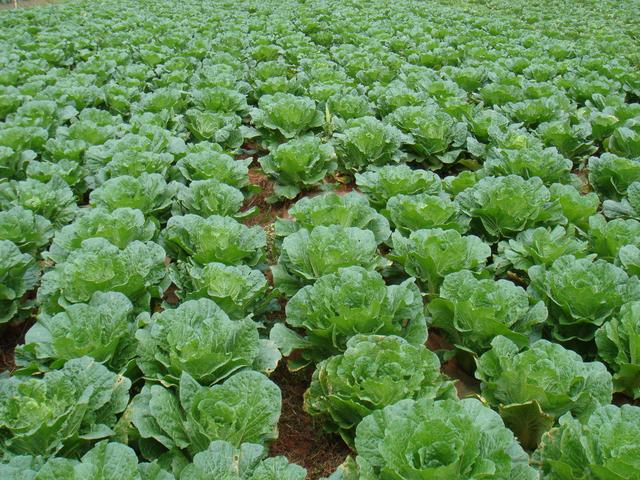
Chinese cabbage cultivation
They had used the fertilizer bought from him for the vegetables, but instead of the high yield the expert had spoken of, the yield was even lower than before. Everyone was furious and went to confront him. But he said that other people all got high yields with it, so if they could not, it must be because of their own soil, and it was not his responsibility.
After arguing for ages without reaching any clear conclusion, everyone finally realized he was probably a fraud. But angry as they were, they still had to find a way to deal with the vegetables in the field. In the end they came to ask me what to do, whether they could still salvage the situation and raise the yield a bit.
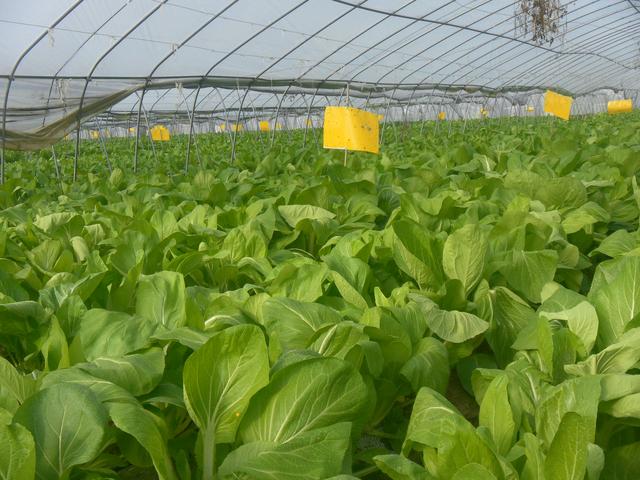
Chinese cabbage cultivation
What role does fertilization play in vegetable growing?
Fertilization is indispensable in vegetable growing. Put it this way: when the nitrogen-to-potassium ratio has a relatively high potassium proportion, and the plant absorbs more potassium, it will promote fruit enlargement and increase the rate of good fruit. Fertilization can not only improve the quality of vegetables but also play a major role in improving their nutritional quality.
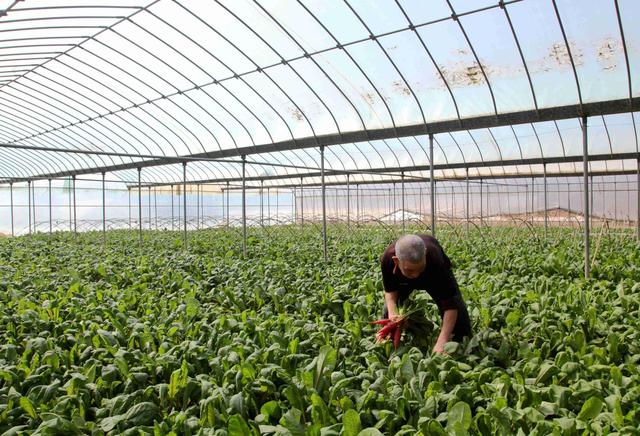
Radish cultivation
The importance of fertilization
Chinese cabbage-type vegetables have relatively high soil requirements. The soil must have sufficient water content and also be fertile and nutritious. They have many leaves, so they especially need nitrogen fertilizer; potassium fertilizer helps promote tight heading of the ball leaves; phosphate fertilizer can promote the formation of flowering stalks.
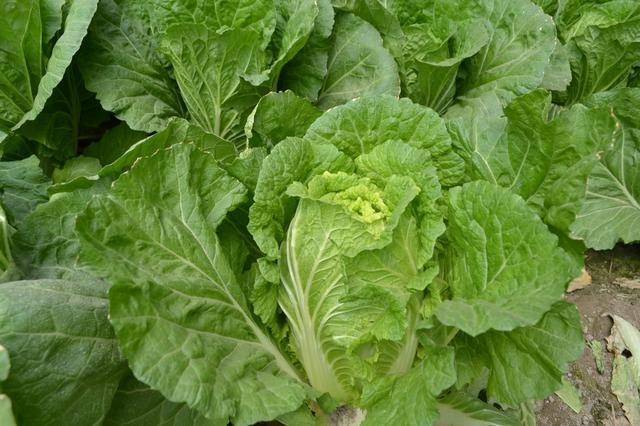
Chinese cabbage cultivation
During the early growth stage, Chinese cabbage absorbs fertilizer relatively slowly. By the heading stage, the amount absorbed increases rapidly, and most of the nutrients are absorbed during this period.
Therefore, during the heading period there must be sufficient fertilizer available. Insufficient fertilizer has a great impact on both yield and quality. With insufficient fertilizer, the plants grow slowly, have fewer leaves, and the basal leaves are prone to turning yellow and dropping off.
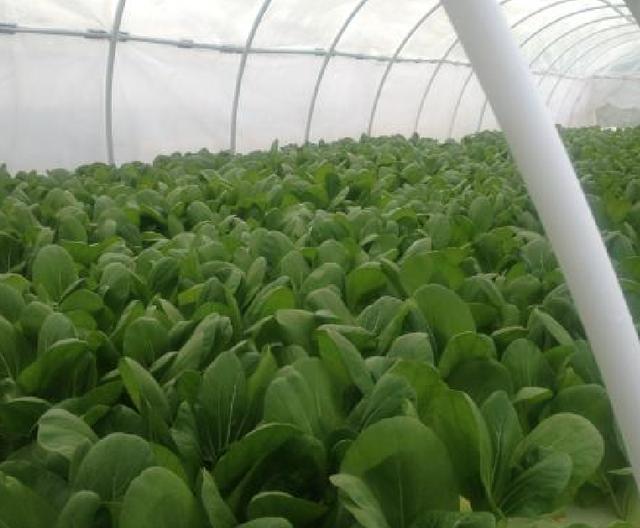
Pak choi cultivation
When growers cultivate vegetables, they must pay attention to fertilization, as this has a great impact on both quality and yield!