What Are the Weight-Loss Vegetables? Lose Weight Healthily Without Compromise
There are many vegetables in daily life that help with weight loss. People often eat fiber-rich weight-loss vegetables, which can both create a feeling of fullness and reduce the intake of other foods; a reduction in food intake helps with weight loss. In addition, eating more vegetables and fruits not only does not add fat, but can also prevent carbohydrates in food from being converted into fat. For example, winter melon, cucumber, bitter melon and others among vegetables all have a good fat-removing and weight-loss effect.

Weight-Loss Vegetable: Winter Melon
1. Winter melon is not only delicious and inexpensive, but also a vegetable with a remarkable weight-loss effect. The ancients believed that winter melon is sweet in taste and cold in nature, and has the effects of promoting urination and reducing swelling, clearing heat and detoxifying, clearing the stomach and reducing internal heat, and dissolving phlegm. Some obese people often have an abnormal increase in appetite, and eating winter melon helps clear the stomach and promote body fluid production, lowering appetite and thereby helping with weight loss.
2. As a vegetable with an excellent weight-loss effect, winter melon contains no fat and has a low sodium salt content, making it an ideal food for those trying to lose weight. In addition, winter melon contains vitamin B1, which can prompt starch and carbohydrates in the body to be converted into heat energy rather than becoming fat, helping with weight loss.
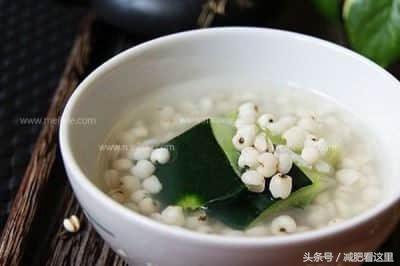
3. There are many ways to eat winter melon, and it is best braised, stewed, steamed or made into soup. On a scorching summer day, stewing winter melon together with Job's tears can make a dampness-removing, swelling-reducing, refreshing weight-loss drink - why not give it a try!
Weight-Loss Vegetable: Cucumber
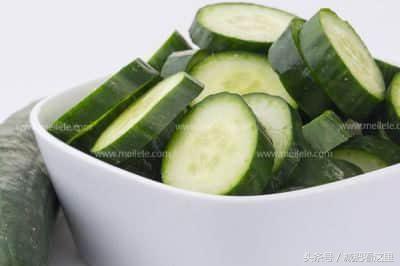
1. Cucumber is rich in nutrients, containing protein, fat and carbohydrates that are indispensable to the human body, as well as calcium, phosphorus, iron and a variety of vitamins. Traditional Chinese medicine holds that cucumber is cold in nature and sweet in taste, and can clear heat and quench thirst, promote urination and refresh the spirit, satisfy hunger and lower blood lipids.
2. As a weight-loss vegetable, cucumber is very low in calories, with only about 65 calories produced per 500 grams. Cucumber contains relatively large amounts of minerals, pectin, cellulose and vitamins; pectin and cellulose have the effects of removing fat and slimming the body, promoting metabolism and lowering cholesterol levels.
3. Eating cucumber raw is not only cool and refreshing, but also gives an even better weight-loss effect.
A Full Roundup of Weight-Loss VegetablesWhite Radish
This weight-loss vegetable, white radish, contains the pungent component mustard oil, which can promote the metabolism of body fat and clear grease from the intestines, thereby preventing fat from accumulating in the body.
Chinese Chives
Chinese chives contain a relatively large amount of fiber and are not easy to digest, and can promote gastrointestinal peristalsis, help with bowel movements, and speed up the breakdown of cholesterol.
Cabbage
Cabbage contains a very large amount of cellulose, and every 100 grams has only about 20 calories. When you are hungry, simmering cabbage together with tomatoes, onions, green peppers and other vegetables into a soup to eat is both filling and low-calorie - you really can lose weight while eating.
Asparagus
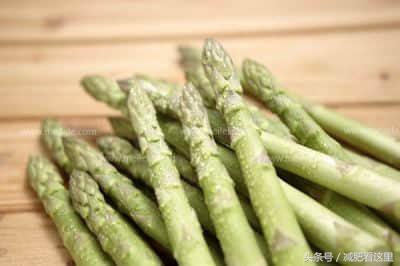
Asparagus is a fully deserving weight-loss vegetable; it is very low in calories and also rich in vitamin A and vitamin C. Using it to make a salad is a good choice, and using it to satisfy hunger is an even better choice.
Hyacinth Bean
Hyacinth bean is not only low in calories, but also rich in cellulose. If eaten together with green leafy vegetables, it can speed up gastrointestinal peristalsis, relieve constipation, speed up metabolism and inhibit the absorption of fat.
Bitter Melon
As the saying goes, bitter melon scrapes the oil from the intestines. Bitter melon is not only low in calories itself (100 grams/19 calories), but also helps break down fat, making it an excellent choice for burning calories. Traditional Chinese medicine holds that bitter melon clears heat and promotes urination, and can let excess waste be excreted from the body along with water and fluids, so it can also relieve edema. Eat one or two cold-dressed bitter melons every day, and after persisting for 20 days, you will find you have lost 2-3 jin!