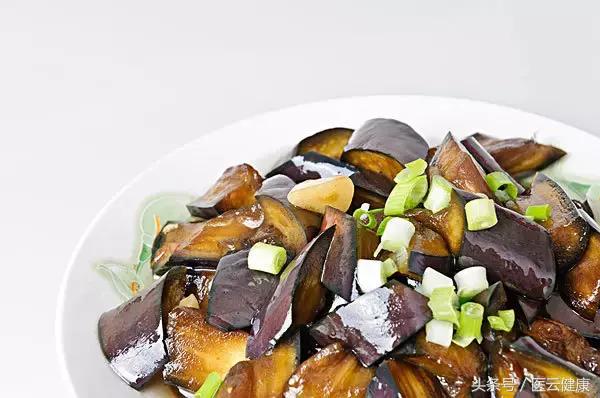
What to eat to lower blood sugar? 3 purple vegetables that effectively help lower blood sugar
Onion
1. The prostaglandin A and sulfur amino acids contained in onion have the effect of dilating blood vessels, regulating blood lipids, and preventing atherosclerosis, and can increase coronary artery blood flow and prevent the occurrence of coronary heart disease.
2. The tolbutamide-like substance contained in onion has a certain effect of helping to lower blood sugar. Eating onion in moderation is most beneficial for people with diabetes accompanied by abnormal blood lipids.
3. Onion has 39 kcal per 100 grams. Onion can maintain normal sugar metabolism and also has relatively strong effects of sterilizing, preventing cancer, and anti-aging. However, patients with pruritic skin diseases, eye diseases, and stomach diseases should eat as little as possible.
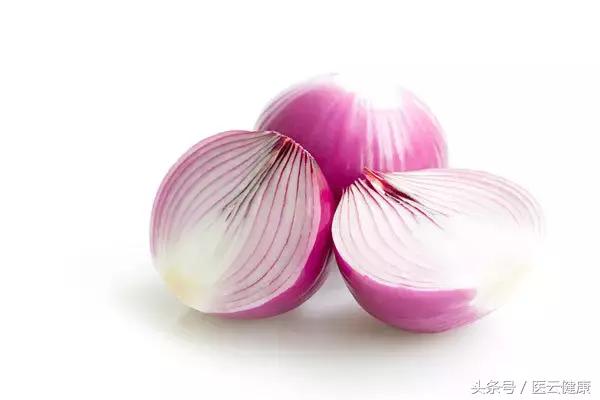
Recommended recipe - Scrambled Eggs with Onion
Ingredients:
1 onion, 2 eggs, appropriate amounts of vegetable oil / salt / chopped scallion.
Directions:
1. Wash the onion and cut into shreds; crack the eggs into a bowl and stir well.
2. Pour oil into a pan and heat, pour in the egg liquid and fry into an egg sheet; cut the onion into pieces and set aside.
3. Place the pan on the heat, and after the oil is hot, pour in the onion shreds and stir-fry. When cooked, add the egg sheet, season with salt, and sprinkle with chopped scallion.

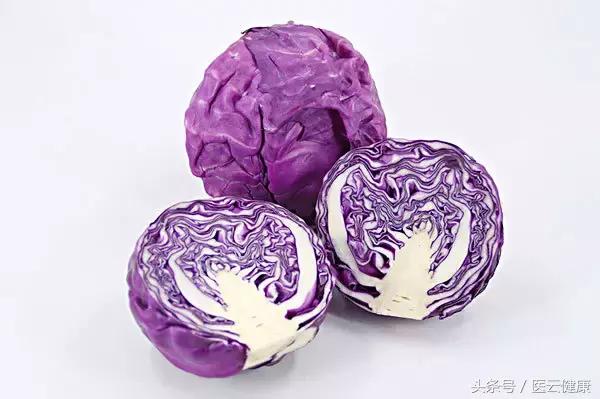
Purple cabbage
1. Purple cabbage is rich in methionine, commonly found in green plants such as cabbage, lettuce, and alfalfa sprouts. This component may help the healing of peptic ulcers.
2. Purple cabbage sprouts may improve insulin resistance in type 2 diabetes. In addition, one cabbage contains about 3 grams of cellulose, and sufficient fiber intake can delay the rise in blood sugar after meals and promote the metabolism of blood lipids.
3. The phytochemicals contained in purple cabbage can serve as important antioxidants and prevent inflammation-related chronic diseases, including cancer and coronary artery disease. Its rich antioxidant components can enhance the detoxification ability of the body's enzyme system, neutralize the damage caused by toxins to DNA, and also prevent the metastasis of cancer cells.
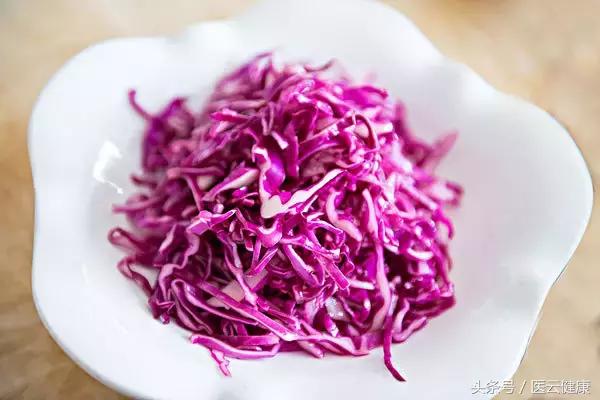
Recommended recipe - Cold Dressed Purple Cabbage
Ingredients:
Half a purple cabbage, 1 sprig of cilantro
Directions:
1. Cut the purple cabbage into shreds, as finely as possible, and chop the cilantro.
2. Sprinkle a little salt, about 1 small spoon, over the purple cabbage shreds, stir a little, and marinate for 1 hour.
3. Pour off the water released by marinating, add appropriate amounts of white sugar, white vinegar, monosodium glutamate, sesame oil (or olive oil), light soy sauce, and chopped cilantro, and stir evenly before eating.
Eggplant
1. Eggplant is rich in vitamin P, which has the effect of increasing the adhesion between cells, can maintain the elasticity and physiological function of blood vessel walls, and prevent hardening and rupture. It can also prevent retinal hemorrhage caused by diabetes.
2. The vitamin C and saponin contained in eggplant fiber also have the effect of lowering cholesterol and have a certain auxiliary therapeutic effect on cardiovascular and cerebrovascular diseases.
3. Eggplant is very low in fat and calories, making it a safe food suitable for people with diabetes.

Recommended recipe - Plain Stir-Fried Eggplant
Ingredients:
150 grams of eggplant, appropriate amounts of ginger slices, chopped scallion, oil, and salt.
Directions:
1. Rinse the eggplant and slice it for later use.
2. Place the pan on the heat, pour in oil and heat, add ginger slices and chopped scallion and stir-fry until fragrant, then add the eggplant and stir-fry until cooked, and season with salt.