This vegetable has nutritional value comparable to ginseng, yet many people overlook it
People today are not like before; life keeps getting better, and people pay more and more attention to health preservation, and they also balance nutrition in their meals. However, the most nutritious common vegetables in life have been overlooked by everyone. Now let me introduce them to you.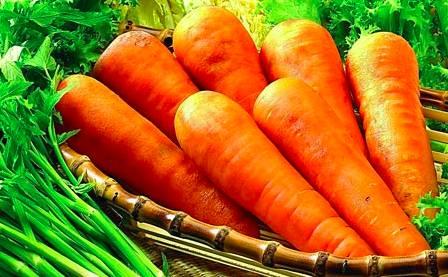 1. Carrot. The carrot is a crisp, tasty, and nutritious home-style vegetable, long known as the "little ginseng." Carrots are rich in sugars, fats, volatile oils, carotene, vitamin A, vitamin B1, vitamin B2, anthocyanins, calcium, iron, and other nutrients. They are also especially convenient to eat: raw, in cold dishes, stir-fried, in soups, or as a side ingredient. They can be found everywhere in daily life.
 2. Napa cabbage. Napa cabbage is very rich in nutrients, containing carotene, vitamin B1, vitamin B2, vitamin C, crude fiber, as well as protein, fat, calcium, phosphorus, iron, and more. Traditional Chinese medicine holds that cabbage is sweet in flavor and neutral in nature, with the effects of clearing heat and relieving restlessness, quenching thirst and promoting urination, and soothing the intestines and stomach. Eating cabbage regularly can prevent vitamin C deficiency, that is, scurvy. Once winter comes, almost every household stocks up on five or six or even more napa cabbages. Not only is it cheap, but it is also so nutritious. Are you still refusing it?
 3. Kelp. Kelp has high nutritional value. It is rich in protein, amino acids, kelp polysaccharides, vitamin B1, C, D, nicotinic acid, carotene, riboflavin, mannitol, iodine, calcium, phosphorus, potassium oxide, cellulose, and alginic acid, among others. The benefit of eating more kelp is that it supplements iodine and can also clear out intestinal waste, detoxify the body, and beautify the skin. However, eating too much can cause thyroid enlargement. Be sure to pay attention and eat it in moderation.
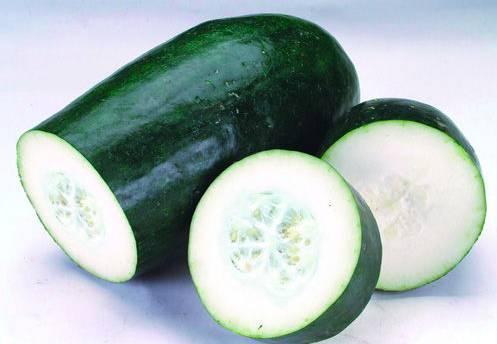 4. Winter melon. Winter melon has a good effect of clearing heat and relieving summer heat. Eating more winter melon in summer not only quenches thirst, relieves summer heat, and promotes urination, but can also help people avoid boils and sores. Because it promotes urination and contains very little sodium, it is an excellent food for reducing swelling in chronic nephritis edema, nutritional edema, and edema during pregnancy. It contains multiple vitamins and trace elements essential to the human body, and can regulate the body's metabolic balance. Winter melon is cold in nature, can nourish the stomach and promote body fluids, clear and reduce stomach fire, make people eat less, and promote the conversion of starch and sugar in the body into heat energy rather than fat. Therefore, winter melon is an ideal vegetable for obese people. Winter melon has anti-aging effects; eating it over a long time can keep the skin as white as jade, moist and smooth, and can help maintain a slim and healthy figure. It is said that Empress Michiko of Japan often uses winter melon to make winter melon cream for beauty and skin care.
 5. Pumpkin. Pumpkin is nutritious, containing starch, protein, carotene, vitamin B, vitamin C, and calcium, phosphorus, and other components. Pumpkin is rich in carotene and vitamin C, can strengthen the spleen, prevent gastritis, prevent and treat night blindness, protect the liver, make the skin delicate, and has the effect of neutralizing carcinogens. Moreover, pumpkin is even better when steamed, and is especially suitable for little babies around eight or nine months old eating complementary foods. Mothers must not forget pumpkin puree, this nutritious complementary food.
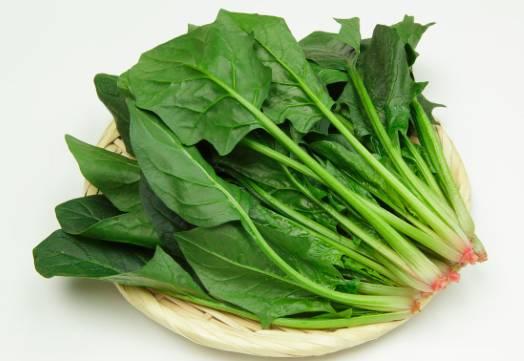 6. Spinach. Spinach is rich in carotene, vitamin C, calcium, phosphorus, and a certain amount of iron, vitamin E, and other beneficial components, and can supply the human body with various nutrients. The iron it contains has a relatively good auxiliary therapeutic effect on iron deficiency anemia.
7. Wood ear mushroom. Black wood ear mushroom is not only delicious and nutritious, but also has many dietary therapeutic effects, so there are many benefits to eating black wood ear mushroom regularly. For example, black wood ear mushroom has the effects of enriching the blood, aiding weight loss, and cleansing the intestines, and is also quite beneficial for coronary heart disease, arteriosclerosis, and cardiovascular and cerebrovascular diseases.
Keep in mind that no matter how good a vegetable or fruit is, an appropriate amount each day is enough.