Soilless (substrate) vegetable cultivation: how much profit is there?
The key feature of soilless cultivation is growing plants without the nurturing of soil. Of course, soilless cultivation has advantages, but it also has disadvantages.
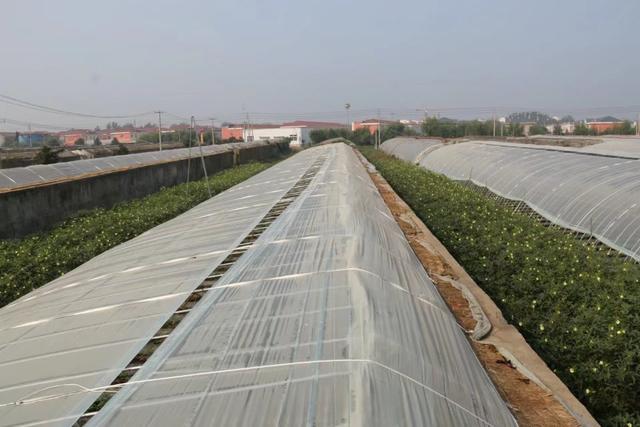
First, let's introduce the advantages:
Soilless cultivation not only has low cost, but also offers advantages such as high yield, good vegetable quality, and being healthy and environmentally friendly. The methods used in soilless cultivation include water culture, nutrient solution culture, organic matter cultivation, and so on.
Among these, the organic matter cultivation method has a wide range of applications and has driven the development of high-quality vegetables.
1. Organic matter is agricultural organic waste and must first undergo a process of decomposition and fermentation before use. First, plant residues have a great influence on nutrients, and their chemical composition is relatively complex. Materials for organic media often use crop straw, some plant fruits, partially decayed tree trunks, residues after plant extraction, and manure produced in livestock production; some of the fresh wheat bran and other organic waste contain substances that are easily decomposed by microorganisms. Organic medium materials come from a relatively wide range of sources and are low in price, making them suitable for large-scale vegetable production.
2. Pathogens, nematodes, and others contained in agricultural waste are mostly killed during the decomposition and fermentation process. The decomposition and fermentation temperature can reach 55 to 70 °C.
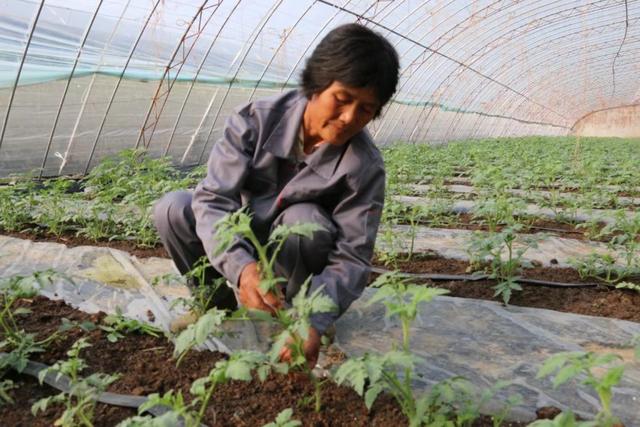
3. Adjusting the pH value of the substrate
Generally, the substrate for cultivating different plants should be adjusted according to the plant's requirements for acidity and alkalinity. The acidity and alkalinity of a good substrate are generally neutral, which is more suitable. On the one hand, if the substrate is too acidic, it will affect the balance and stability of nutrient elements; on the other hand, it can directly affect the growth of plant roots. The mineralization of nitrogen in organic matter is effective when the pH is 6.0 to 8.0, and the supply of available nitrogen is greater. Because nitrogen-fixing bacteria have reduced activity below pH 6.0, and above pH 8.0 the supply of available nitrogen decreases and nitrification is limited. Also, within the pH range of 6.5 to 7.5, phosphorus has the greatest availability. When phosphate ions and calcium ions react at pH 7.5 to 8.5, they form the poorly soluble precipitate tricalcium phosphate, and phosphorus availability is the lowest and solubility is the lowest. When pH ≤ 5.0, leaching loss of potassium will cause potassium deficiency in the medium. The most commonly used substance for adjusting substrate acidity is lime, which can reduce phosphorus being fixed by active iron and aluminum and can increase calcium in the substrate. In addition, acidic weathered coal is rich in humic acid, can improve substrate structure, and lower substrate pH. Therefore, in the organic matter we mix in weathered coal.
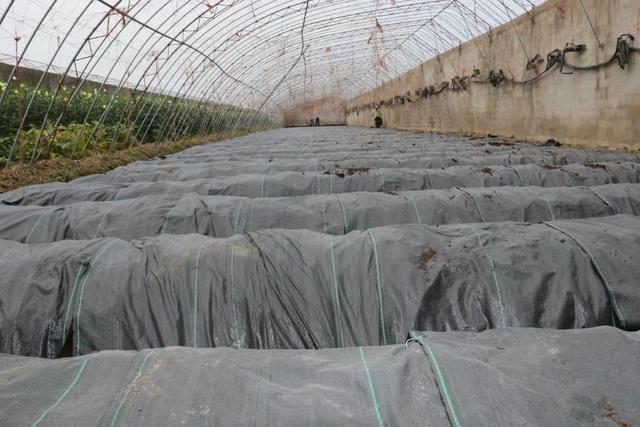
Therefore, the technique of properly blending organic matter is relatively important.
Select and fix the substrate, and effectively control the optimal requirements of vegetables for temperature, moisture, light, nutrients, and air during the growth and development process, so as to achieve rapid ripening of cucumbers and increase vegetable yield.
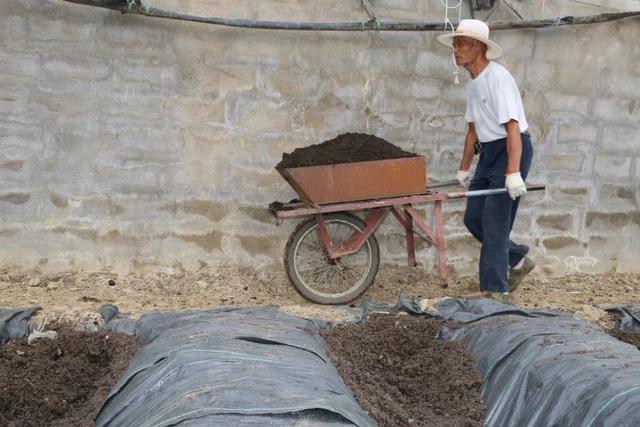
After the selection of medium materials is completed, the medium needs to be treated promptly. The treatment steps for organic materials in the medium are relatively complex. First, viruses, insect eggs, and weed seeds in the organic materials of the medium should be eliminated to avoid the occurrence and spread of pests and diseases during vegetable cultivation. Second, microbial decomposition should be used to degrade organic matter with relatively large molecular weight, thereby facilitating the absorption of organic matter by vegetables in soilless cultivation. Finally, chemical neutralization should be used to eliminate the toxicity of harmful substances in the organic matter. The treatment of inorganic substrate materials is relatively simple. Using gravel only requires crushing treatment, and a chemical neutralization method can be used to ensure that the substrate becomes weakly alkaline.
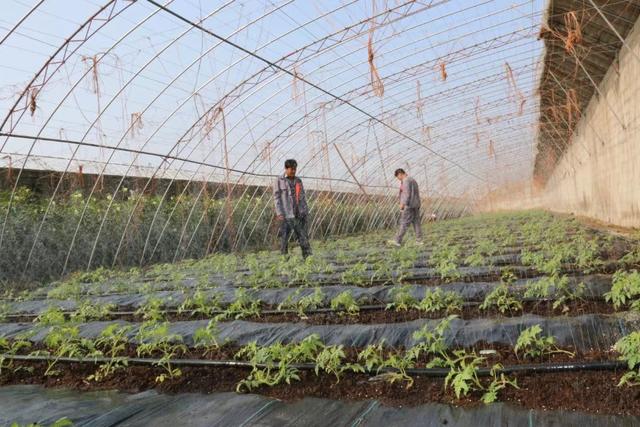
Soilless cultivation eliminates heavy labor such as plowing, bed preparation, weeding, pesticide spraying, watering, and fertilizing. One person can manage 3-4 mu, increasing efficiency by more than 3 times. It saves labor, effort, fertilizer, pesticides, and water, saves a large amount of production expenses and labor costs, greatly lowers costs, and greatly reduces the cost of melons and vegetables; in some cases it is even only one-fifth of traditional soil cultivation. It belongs to industrialized agriculture, with high efficiency, low cost, simple operation, and foolproof management that anyone can learn. Growth is fast and yield is high. With good growing conditions, growth is fast and yield is extremely high. When used with photosynthetic quantum water, (of course, this is not a pesticide or a hormone; if you are worried, you can take it to a professional institution for testing) it can reach the market 7-15 days earlier; cucumbers flower and set fruit at the first leaf and can grow to more than ten meters high; tomatoes can grow to eight meters high; vegetables can yield 50,000-60,000 jin per mu; watermelons can yield 25,000 jin per mu in 70 days, increasing production by 4-16 times. The yield is extremely high, and the increase in production is enormous. High yield, high quality, and abundant profit!
Substrate cultivation is not limited by season, region, or variety. All places can produce various vegetables, melons, fruits, and flowers in reverse season throughout the year. Only a very small investment is needed to produce various completely pollution-free melons and vegetables with high efficiency and low cost. For one mu of simple and efficient soilless cultivation, generally depending on the type grown, the profit can range from 50,000 to 100,000 yuan. One person can manage 3-4 mu, with an annual output of several hundred thousand jin of melons and vegetables, and a profit of several hundred thousand yuan (of course, profit must also be calculated according to the market conditions for vegetables and fruits). Even if sold at ordinary melon and vegetable prices, the profit can still reach more than 10 times that of ordinary greenhouse cultivation.
Disadvantages:
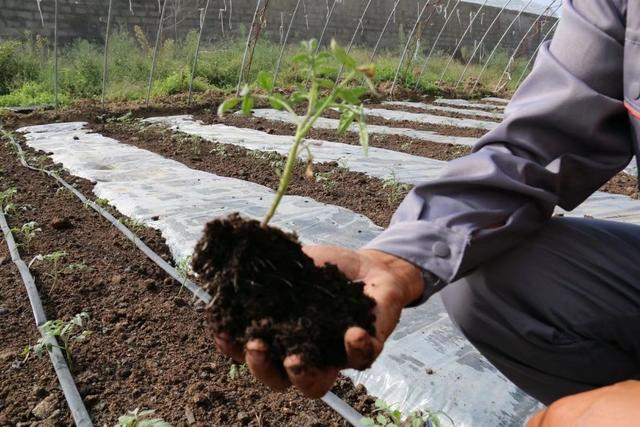
Soil is a substance with a "self-regulating buffering function," meaning it can automatically and slowly adjust its acidity, alkalinity, trace element and various nutrient concentrations, microbial community distribution, and other factors essential for cultivating plants according to external conditions. However, the cultivation substrate for soilless cultivation is entirely artificially blended. Even a small flaw will immediately impact the normal growth of plants and cause plant disease or death.
We can provide substrate cultivation technology. If you are interested, you can visit our Jiangsu base.