How Should Pickled Vegetables Be Eaten to Be Healthy? The Right Way to Eat Them Is Key
Many people have heard that vegetables stored for a long time produce nitrites, that pickled vegetables cause cancer, and that they should be eaten as little as possible. In fact, properly made pickles do not cause a problem of excessive nitrites, and the problem of excess salt can be solved by reducing the amount of salt added during cooking. Using qualified pickles to replace part of the salt, without increasing the saltiness, can also provide extra dietary fiber and potassium and add a unique flavor.
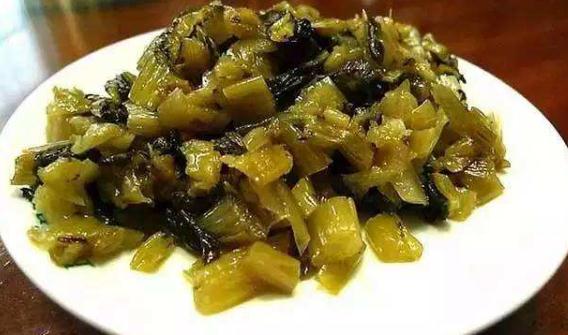
Indeed, vegetables readily accumulate nitrate, and more than 80% of the nitrate people consume comes from vegetables. But nitrate itself is not only non-toxic, it has also been proven beneficial for the cardiovascular system. During storage, nitrate reductase in vegetables converts their nitrate into nitrite; during pickling, microorganisms can also convert nitrate into nitrite, and excessive intake of nitrite can cause poisoning. In fact, the Chinese cabbage, radish, potato and other vegetables used for winter storage have good storage tolerance, and according to measurements, under storage conditions with suitable temperature and humidity, they do not develop excessive nitrite; for example, Chinese cabbage can develop excessively high nitrite, with the risk of poisoning when eaten, only when it has frozen and then rotted.
As for the cancer-causing concern people have about pickled vegetables, it is not so absolute either. A large number of measurements show that within a few days to a dozen or so days of pickling, the nitrite content reaches a peak, but after 2 to 3 weeks it slowly declines again, and after 20 days it generally reaches a safe level. What truly deserves caution is short-term pickled vegetables, the so-called "quick pickles." In them, high levels of nitrite combine with trace amounts of amino acid breakdown products and also produce the carcinogen "nitrosamine," which is one of the causes of stomach cancer. So do not assume that home-pickled vegetables are necessarily safe; only when the pickling time reaches more than 20 days can you take them out and eat them with confidence.
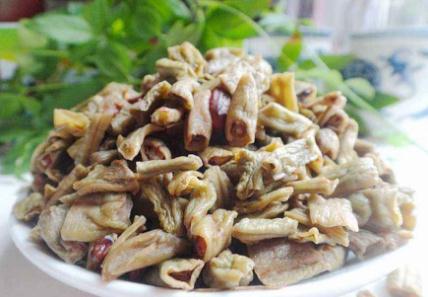
For beneficial-bacteria fermented foods such as suancai and paocai, if pure cultured strains are used and the fermentation conditions are strictly controlled, the nitrite produced in the product is extremely low. This is because lactic acid bacteria and acetic acid bacteria themselves do not produce nitrite; only contamination by stray microbes brings this trouble. When buying pickles in the supermarket, be sure to look for the QS mark, and it is best if there is technical support from a university or research institute; the safety of such products is guaranteed.
However, even without the nitrite problem, eating large amounts of pickled vegetables still increases the risk of stomach cancer. This is because excessively high salt content is itself a factor that promotes stomach cancer, since high salt content causes the surface of the gastric mucosa to lose the protection of its mucus layer, leaving it directly damaged by various factors in food. On the other hand, surveys in areas with high cancer incidence prove that a lack of vitamin C, vitamin B2, carotene and various antioxidant substances from fresh vegetables increases the risk of esophageal cancer and stomach cancer. So when enough fresh vegetables are available, it is still better not to let pickles and dried vegetables play the leading role on the table.
However, a love of the flavor of pickles and the pursuit of health and nutrition are not necessarily irreconcilable. First, cooking always requires salt; if pickles are used to replace salt, while strictly controlling saltiness, you can also increase your intake of some minerals and dietary fiber compared with adding salt directly, and by using pickles to add flavor you can also skip MSG and chicken essence. In this way, the negative effects of pickles are turned into positive ones.
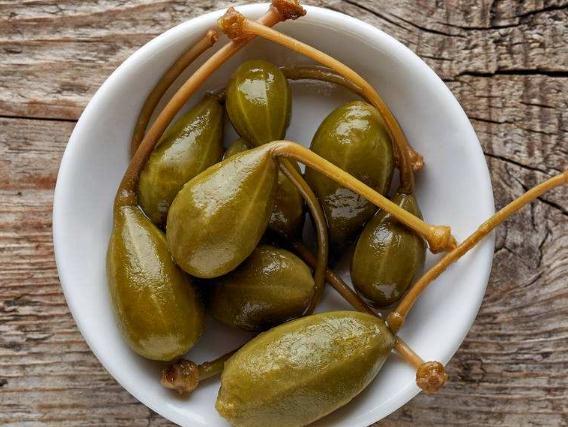
For another example, if you used to add salt when stir-frying green beans, now stir-fry potherb mustard pickles together with the green beans, skipping the salt and MSG, and the taste is quite good; if you used to add salt when dressing cold wood ear mushrooms, now simply pair blanched wood ear mushrooms with chopped red cabbage paocai and add a little vinegar and sesame oil, and the color is lovely and the taste is fresh; if you are preparing to stir-fry beef strips and would add salt and soy sauce, now switch to pickled radish strips, and it tastes uniquely flavorful; when stewing fish or meat, add refreshing, fragrant suancai or various dried vegetables, which not only adds a delicious flavor to the whole dish but also increases the supply of dietary fiber and minerals, while avoiding the greasiness and monotony of pure meat and fish.
In short, when it comes to traditional pickles and dried vegetables, rather than demonizing them, it is better to use them sensibly. First, make them properly to ensure safety; second, limit the quantity and eat them only occasionally; third, make sure that eating pickles and paocai does not interfere with your intake of fresh vegetables; finally, note that when you eat pickles you should correspondingly reduce the amount of salt added during cooking, and must not increase the total amount of salt in a meal.