Which vegetables have a short growing cycle and a quick harvest?
For friends growing vegetables on rooftops and balconies, the most annoying thing is not having much space to grow more varieties of vegetables; you plant vegetables every day but still have none to eat. So I have summed up some experience and recommend a few fast-growing vegetables for everyone. These are vegetable varieties with relatively short growing cycles, faster maturity, relatively simple management, and low soil use.
If any friends have better recommendations, you are all welcome to leave a comment and share them together!
1) Sprouts: 1 week
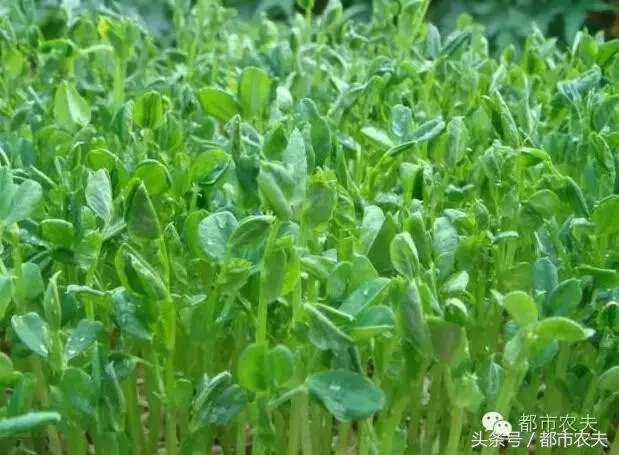
This seems off-topic, but sprouts really stand out too much when it comes to fast growth, so I have to make an exception and nominate them.
Sprouts, also called bean sprouts, are edible "sprout vegetables" cultivated from the seeds of various grains, legumes, and trees. They are also called "living vegetables" and "ruyi cai". Sprouts can reduce lactic acid buildup in the human body and relieve fatigue. They contain an interferon inducer, which can induce interferon, increase antibiotics in the body, and enhance the body's antiviral and anti-tumor abilities. They are rich in vitamin C, riboflavin, and dietary fiber. The growing cycle of sprouts is only about one week. However, there are many kinds of sprouts, and their growing cycles differ slightly, so the specifics depend on which kind.
2) Baby bok choy: 45 days-60 days
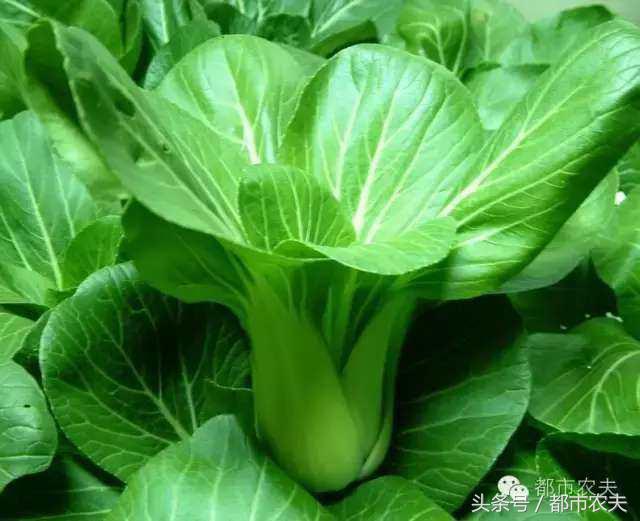
Baby bok choy has a short growing period, from sowing to harvest it is 45 days-60 days. The harvest time can be determined according to maturity and market demand; harvesting at the right time can improve yield and quality. Baby bok choy should be sown in different seasons, and different varieties need to be used. For example, when sowing in winter or early spring when temperatures are lower, varieties that are cold-resistant and bolt late should be chosen.
3) Green garlic: about 50 days
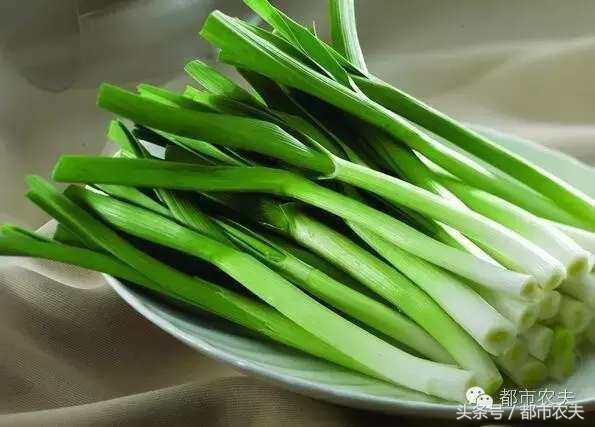
Green garlic likes warmth and has strong cold resistance, and is best planted in spring, summer, autumn, and winter. Green garlic should be harvested in the early morning or evening.
Green garlic contains allicin, which has a good killing effect on pathogenic bacteria and parasites, and can help prevent flu, prevent wound infection, treat infectious diseases, and expel worms. Green garlic has a certain protective effect on the heart and blood vessels, can prevent the formation of blood clots, and can also protect the liver, induce the activity of detoxifying enzymes in liver cells, block the synthesis of the carcinogen nitrosamine, and has a certain effect on preventing cancer.
4) Leaf lettuce: about 40 days
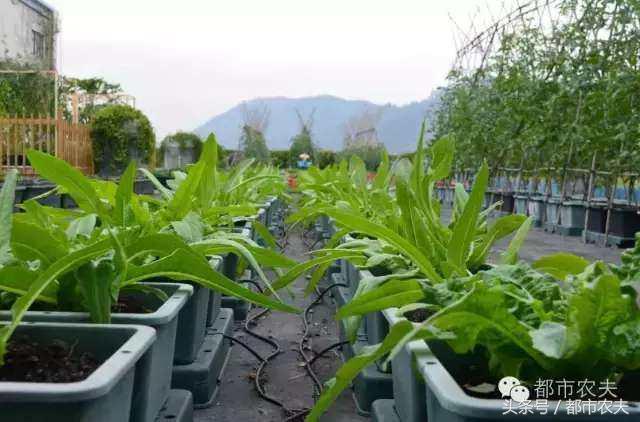
Leaf lettuce, also known as yumai cai,
Leaf lettuce is heat-tolerant, cold-tolerant, and highly adaptable, with strong cold resistance. It likes moisture, resists pests and diseases, has a sweet and crisp quality, and few fibers. Its suitable growing temperature is 20-25°C. The color is light green, the texture is crisp and tender, and the taste is extremely fresh and tender. The growing cycle of leaf lettuce must be at least about 40 days.
5) Mustard greens: 3-4 months
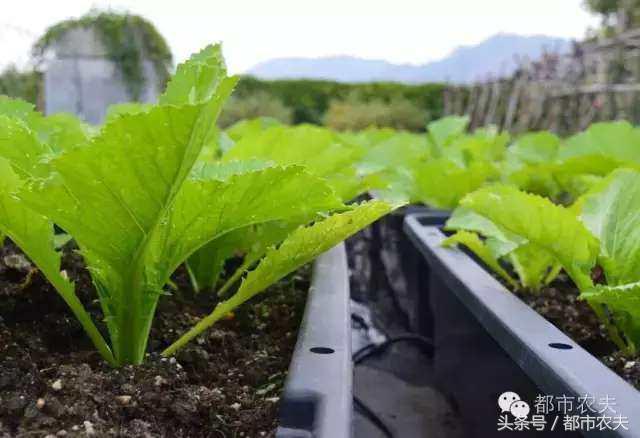
Mustard greens: also called gai cai, are an ordinary vegetable with large leaves, many wrinkles on the surface, and prominent veins. They are a famous specialty vegetable of China. Generally after autumn sowing, they are harvested in winter or the following spring in the Yangtze River basin and various places in the southwest and south China, and before frost in the north.
6) Pak choi: 20 days
Sow once every 7-10 days and harvest in 20 days. Pak choi likes coolness and is relatively tolerant of both low and high temperatures, so it can be planted and harvested almost all year round. However, if judged by palatability, safety, and nutrition, January, February, and March are the best seasons for eating pak choi.
7) Water spinach: about 20 days
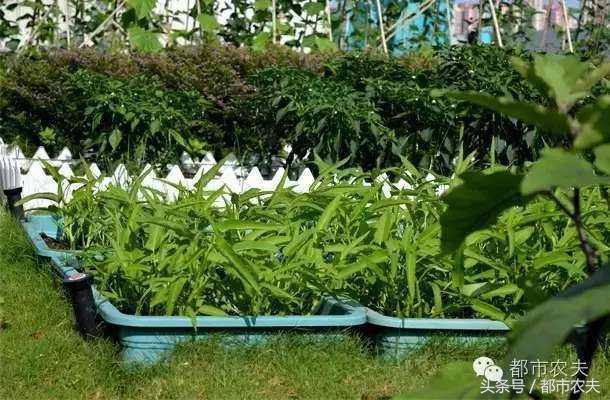
Water spinach likes high temperatures and humid environments, prefers moist soil, and likes sufficient light. It is not strict about soil conditions and likes fertilizer and water.
Effects: detoxification, mainly able to detoxify mushroom poisoning. Clears heat and cools blood. Diuretic. Suitable for food poisoning, vomiting blood, nosebleeds, blood in urine, infantile fetal toxin, carbuncles, boils, erysipelas, etc. Taken internally or used externally.
8) Amaranth: 40-50 days
Amaranth likes warmth and is relatively heat-tolerant. Its suitable growing temperature is 23-27°C. It requires moist soil but is not tolerant of waterlogging, and it is not strict about air humidity. Under high temperature and short-day conditions, it easily bolts and flowers.
Amaranth can tonify qi, clear heat, improve eyesight, promote labor, and free the large and small intestines. It can also promote the growth of teeth and bones, maintain normal myocardial activity, and prevent muscle cramps. It also has functions such as promoting blood coagulation, increasing hemoglobin content and improving oxygen-carrying capacity, and promoting hematopoiesis. It can also help with weight loss and cleansing the body, promote detoxification, and prevent constipation.
9) Napa cabbage: 45-60 days
Napa cabbage is prone to disease under continuous cropping, so crop rotation should be carried out, and grain-vegetable rotation is especially recommended.
Effects: clears heat and relieves irritability, frees the stomach and intestines, aids digestion, and nourishes the stomach. Mainly treats lung heat, cough, dry throat, thirst, headache, dry bound stool, erysipelas, bleeding hemorrhoids, and other conditions.
10) Cowpea and common bean: about 45 days
The root system has weak regeneration ability, so direct sowing is mostly used. They like warmth. The suitable growing temperature is 20-30°C. Below 15°C growth is slow, and below 5°C frost damage occurs. They are heat-tolerant, and at 35°C they can still flower and set pods, but the quality is poor. Their nature and flavor are sweet and neutral; they strengthen the stomach and tonify the kidney. They contain protein that is easy to digest and absorb, and also contain various vitamins and trace elements.
11) Lettuce: about 35 days
Lettuce is known as the "queen of vegetables" and has high nutritional value, so if conditions allow, you can grow lettuce yourself. Growing your own vegetables means no pesticide or chemical fertilizer pollution, so you can eat healthy and nutritious natural green lettuce. Lettuce also has the reputation of "weight-loss lettuce"; eating it often helps maintain a slim figure~