A Summary Introduction to the Top Ten Medicinal Herbs of Northeast China
The land of China is vast, endowed with outstanding people and abundant natural resources, rich in all kinds of heavenly treasures. On the black soil of the northeastern part of the motherland, these top ten Chinese medicinal herbs grow in abundance. Today I will introduce to you what these Chinese medicinal herbs are.
The Top Ten Chinese Medicinal Herbs of Northeast China
1. The King of a Hundred Herbs - Ginseng
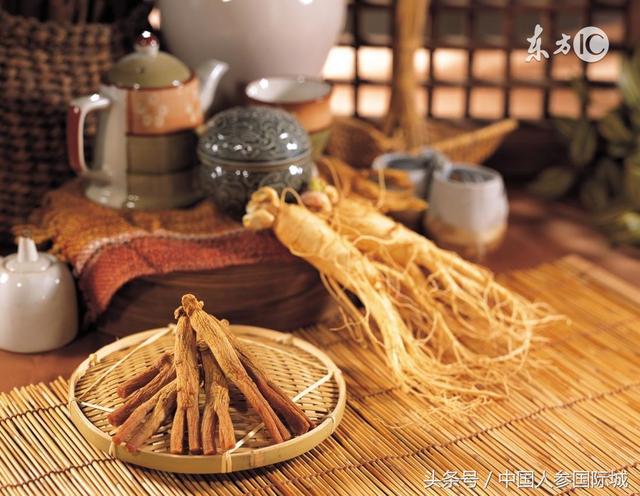
Ginseng is also called bangchui in the Northeast dialect. It belongs to the angiosperms, dicotyledons, Apiales, Araliaceae. Its main producing areas are located in the Changbai Mountain range region of Jilin in Northeast China, Liaoning, and Heilongjiang. It is also one of the Three Treasures of Northeast China. Ginseng has the effect of strengthening the body and prolonging life in health preservation. In medicine, ginseng also contains ginsenosides, which can effectively regulate the human central nervous system, strengthen the heart, resist fatigue, and boost vitality. At the same time, it has a relatively high therapeutic effect on many diseases of the nervous system, cardiovascular system, endocrine system, and reproductive system, and it also has remarkable effects in anti-tumor aspects that should not be underestimated.
2. Velvet Antler
It is mainly collected from sika deer, also called spotted deer. When the antlers of a male deer are in the growth period, and when the tender antlers have not yet formed hard bone and are covered with fine hair and contain blood, what is collected is called velvet antler. It is the second of the Three Treasures of Northeast China. Velvet antler is a precious Chinese medicine. It has many effects and therapeutic effects on many diseases. Velvet antler contains a large amount of amino acids, lecithin, vitamins, and so on, and is relatively mild. For men, it has the effect of strengthening yang and replenishing essence, tonifying qi and blood, and strengthening tendons and bones. For women, it has a very good effect on uterine deficiency cold. In addition, it has significant effects on dizziness, deafness, soreness and weakness of the waist and knees, and weakness and deficiency.
3. Deer Penis
It is said that every part of a deer is a treasure. Deer penis may be more familiar to many middle-aged male friends. Deer penis is also called lu chong. It is mainly the external genitalia of male sika deer and red deer. It is warm in nature and acts on the liver, kidneys, and bladder. It is used to strengthen yang and tonify the kidneys and nourish male function. It is mostly consumed by soaking in liquor.
4. Cordyceps Militaris
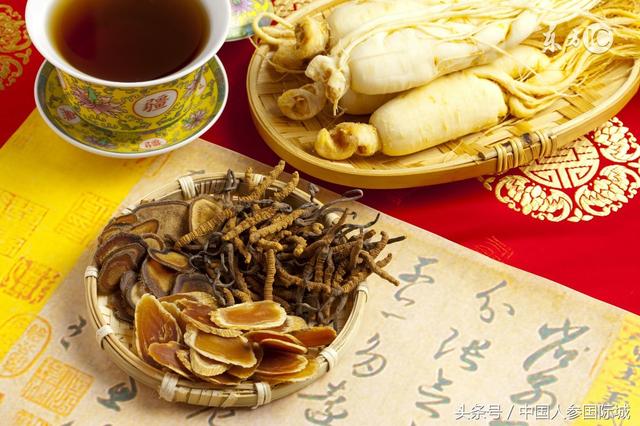
Everyone may not be very familiar with this. Cordyceps militaris is a kind of sac fungus. One or several grow out from the head or segments of the parasitized pupa, with a length of about 3-7 cm, appearing orange-yellow or orange-red, while the pupa is mostly purple. This medicinal herb was discovered in Jilin Province in 1958. After identification by authoritative experts, Cordyceps militaris was determined to belong to the same genus as Cordyceps sinensis. Its main producing areas are Jilin, Liaoning, Inner Mongolia, and Yunnan, so it is hailed as northern Cordyceps. Cordyceps militaris contains cordycepic acid, cordycepin, and cordyceps polysaccharides, so it has antibacterial and antiviral effects, and plays a role in preventing and treating cerebral thrombosis, cerebral hemorrhage, and renal failure. At the same time, it has many effects in beauty care and health preservation, such as anti-aging and anti-wrinkle effects, improving body immunity, delaying aging, supporting healthy qi and consolidating the foundation, nourishing the myocardium, and protecting the liver.
5. Liaoning Asarum
Liaoning Asarum belongs to the pteridophytes, Polypodiopsida, Polypodiales, Aristolochiaceae, Asarum genus. This medicinal herb is pungent in nature and relatively warm, and acts on the lungs and kidneys. It is mainly used to dispel wind and scatter cold and to open the orifices. Those with qi deficiency, blood deficiency, or yin deficiency should avoid taking it.
6. Lygodium Japonicum
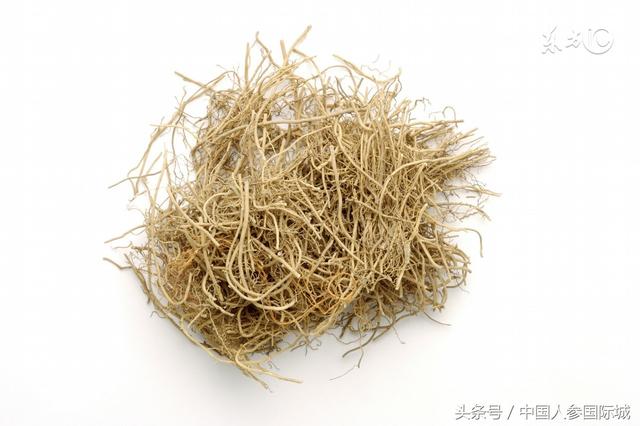
Lygodium japonicum is a perennial climbing herb, also called tiexian teng in Northeast China. It belongs to the pteridophytes, Polypodiopsida, Polypodiales, Lygodiaceae. Its rhizome is slender and creeping, with many fine hairs. Its leaves are 1 to 2 times pinnately compound. Sporangia are mostly produced in summer and autumn. Lygodium japonicum has the effects of clearing heat and promoting diuresis, and relieving strangury and pain. It is mainly used to treat urinary tract infections, urinary tract stones, gynecological diseases, skin eczema, nephritic edema, dysentery, and other conditions.
7. Northern Gentian
Northern Gentian, scientific name Gentiana manshurica, belongs to the angiosperms, dicotyledons, Gentianales, Gentianaceae. In Northeast China, it is a perennial herb, usually dark green with a little purple, about 32-58 cm tall. Northeast gentian mostly blooms in autumn, and the flower color is blue. Most grow in clusters close to the ground. Because its flowering season is different from others, in the rustling autumn wind and among the withered grass all over the mountains, clusters of gentian flowers appear especially noble and elegant. Therefore, Northeast gentian flowers are also famous ornamental flowers. Northeast gentian mainly acts on the digestive system, protecting the liver and promoting bile secretion, promoting diuresis, and resisting bacteria. In addition, it has an excitatory effect on the central nervous system, and when the dose reaches a certain amount, it has an anesthetic effect.
8. Guan Huangbai
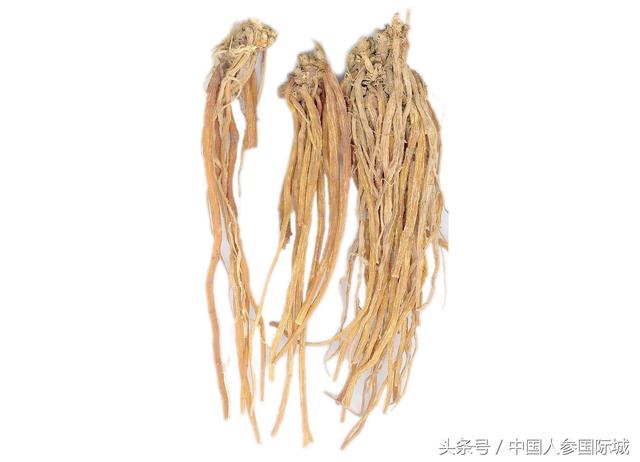
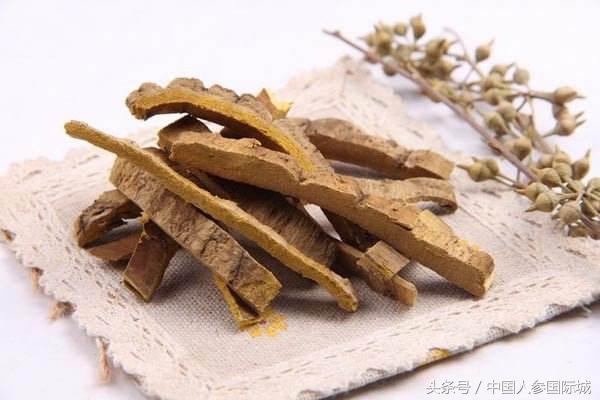
Guan Huangbai, also called huangbai, is a tree belonging to the angiosperms, dicotyledons, Sapindales, Rutaceae. It grows deep in the mountains and by riversides. Its medicinal nature is cold and its taste is bitter. Its main effects are mostly clearing heat and drying dampness, purging fire and eliminating steaming, and detoxifying and treating sores. It is mostly used for jaundice, athlete's foot, night sweats, and so on.
9. Saposhnikovia Divaricata
Saposhnikovia divaricata is mainly produced in Heilongjiang, Inner Mongolia, and Sichuan. It is mostly used raw. In Northeast China, it is called mountain celery. It is a perennial herb, slightly warm in medicinal nature, pungent and sweet in taste, and acts on the bladder, liver, and spleen. It mainly has the effects of dispelling wind and releasing the exterior, and overcoming dampness and relieving pain. It is mostly used for conditions such as rubella with itching, wind-damp impediment pain, and tetanus. In ancient times, traditional Chinese medicine said: "If a person is poisoned by arsenic, one liang of saposhnikovia divaricata can be ground into powder and taken after being mixed with water." This shows the miraculous effects of traditional Chinese medicine and Chinese materia medica.
10. Schisandra Chinensis
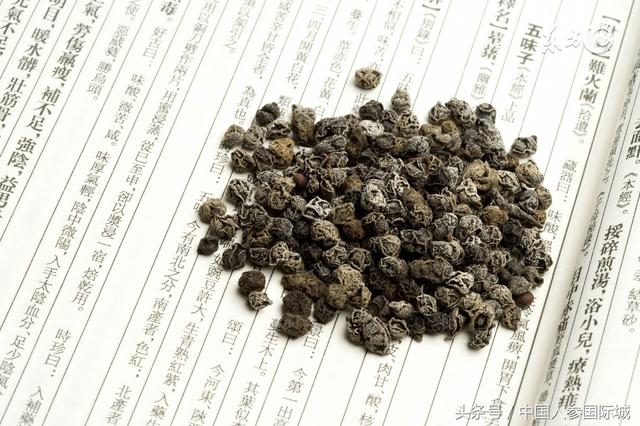
Schisandra chinensis is a medicinal herb that everyone may be very familiar with. Schisandra chinensis is divided into northern Schisandra chinensis and southern Schisandra chinensis. Northern Schisandra chinensis is the traditional Schisandra chinensis and is of excellent quality. Schisandra chinensis is mild in medicinal nature, sour and sweet in taste, and acts on the lungs, heart, and kidneys. It is a perennial deciduous vine. It not only has medicinal uses but also ornamental value. Schisandra chinensis has complete functions and possesses all five flavors, which is truly unique among many Chinese medicinal herbs. Southern Schisandra chinensis is red, while northern Schisandra chinensis is black. In Western markets, it is called the "Prince of the East." Schisandra chinensis has the effects of nourishing the kidneys and benefiting the lungs, promoting fluid production, and astringing sweat. It is mostly used for weakness and excessive sweating, palpitations and shortness of breath, cough and asthma caused by insufficient lung qi or deficiency of both the lungs and kidneys, insomnia and forgetfulness, deficiency of both the spleen and kidneys, and so on. In addition, in modern times it is also used to treat icteric and chronic persistent hepatitis. It can be seen that Schisandra chinensis has multiple effects.
This is where the sharing of the top ten medicinal herbs of Northeast China comes to an end. As Northeasterners, we should understand every plant and tree in Northeast China, and at the same time also let friends from all over the country and even from various countries better understand the culture of Northeast China and those heavenly treasures. Later, the editor will continue to publish related articles. I hope everyone can repost more and pay more attention! Pay attention to Northeast China, and pay attention to Northeast ginseng culture!