What are the commonly used Chinese medicinal herbs for making soup?
Soup-making herbs are Chinese medicinal herbs used as soup ingredients. By pairing herbs with food, the medicinal properties of the herbs are used to enhance the soup's nutritional value and edible benefits. Different herbs have different effects, so when choosing herbs you should pay attention to their medicinal properties. Only by choosing the right herbs can you achieve the goal of nourishing the body.
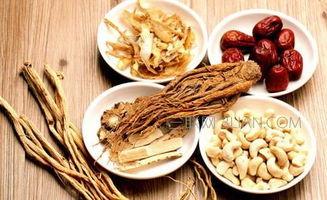
List of commonly used herbs for making soup:
Chenpi (dried tangerine peel): regulates the middle, relieves stagnation, promotes the flow of qi, dispels phlegm, and frees the five viscera. (Scrape off the inner pith and wash clean)
Tianqi: also known as Sanqi (notoginseng), stops bleeding and dissipates blood stasis. (Wash clean, crush into pieces)
Goji berries: also known as wolfberry, benefits essence and brightens the eyes, moistens the lungs and clears the liver, nourishes the kidneys and boosts qi. (Wash clean) Chinese yam: tonifies the spleen and lungs, clears deficiency heat, and stabilizes the stomach and intestines.
Snow fungus: nourishes yin and the stomach, moistens the lungs and promotes body fluids, beautifies the complexion, and contains no cholesterol. (Soak in clear water for 1 hour, tear into pieces)
Wood ear fungus: tonifies qi and blood, moistens the lungs and stops bleeding, and has therapeutic effects on arteriosclerosis. (Soak in clear water for 1 hour, blanch in boiling water for 5 minutes, remove and rinse in cold water)
Southern apricot kernel: also known as sweet apricot kernel, moistens the lungs and calms wheezing, promotes body fluids and stimulates appetite, and moistens the large intestine. (Blanch in boiling water for 5 minutes, remove the skin and wash clean)
Northern apricot kernel: also known as bitter apricot kernel, eliminates phlegm and soothes cough, and moistens the intestines. (Same as southern apricot kernel)
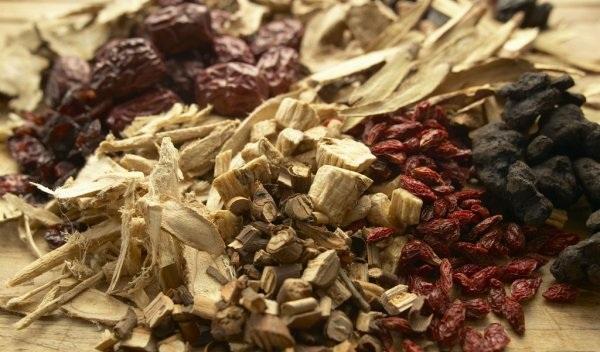
American ginseng: tonifies blood and the spleen and lungs.
Codonopsis root: tonifies the spleen and qi, promotes body fluids and boosts qi.
Cinnamon twig: sweet, pungent, and warm in nature; can enhance metabolism, stimulate mucosal congestion, benefit the joints, induce sweating; in the classic materia medica it warms the sinews, unblocks the vessels, and dispels wind-warm.
He Shou Wu: bitter, sweet, and slightly astringent in nature and flavor; the rhein it contains markedly promotes intestinal peristalsis, and the lecithin it contains is used for neurasthenia, promotes blood regeneration and development, and has a cardiotonic effect.
Poria: sweet, bland, and neutral in nature; contains poria enzyme, plant cellulose, glucose, fructose, and ash, etc.; removes chest and hypochondriac counterflow qi and epigastric clumping qi, treats pain, cold and heat with fullness and vexation, cough with counterflow, promotes urination, drains dampness, and harmonizes the spleen and stomach; as a demulcent, it is suitable for epigastric palpitations, difficult urination, subcutaneous edema, and restless sleep.
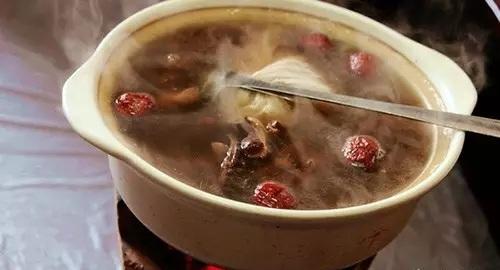
Fritillaria: moistens the heart and lungs and clears heat and phlegm.
Lily bulb: tonifies the liver and lungs, clears heat, and benefits the spleen. (Soak in clear water for 1 hour)
Monk fruit: clears the lungs and moistens the intestines.
Ginkgo nut: benefits lung qi. (Remove the shell, blanch in boiling water for 5 minutes, take out, remove the skin, and remove the core)
Fig: moistens the lungs and clears the throat, and strengthens the stomach and clears the intestines. (Slice)
Dong Quai: tonifies and harmonizes blood, regulates menstruation, and relieves pain.
Gastrodia: dispels wind and calms convulsions.
Cordyceps: tonifies deficiency and damage, benefits essence and qi, and transforms phlegm.