How much do you know about medicinal herbs in the field? A grand review of common varieties
Spring has arrived, and the various wild vegetables in the fields seem especially precious today. With no pesticides and few pests and diseases, and some even offering both medicinal and culinary value, many people dig up some wild vegetables to enjoy this deliciousness. But did you know that many wild vegetables have medicinal value? Let's take a look together!
Bitter lettuce
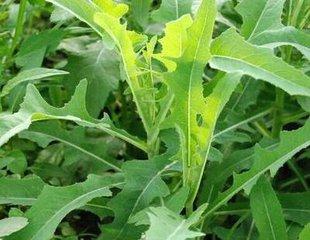
Also known as kudingcai, bitter in taste, cold in nature, with the effects of clearing heat and detoxifying, breaking blood stasis and invigorating blood, and expelling pus. It can be used for appendicitis, abdominal abscess, enteritis, dysentery, acute,
Shepherd's purse
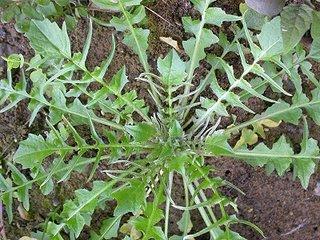
Sweet in taste, neutral in nature, with the effects of cooling blood and stopping bleeding, clearing heat and promoting urination. It can be used for hematuria from renal tuberculosis, postpartum uterine bleeding, menorrhagia, hemoptysis from pulmonary tuberculosis, high blood
Purslane
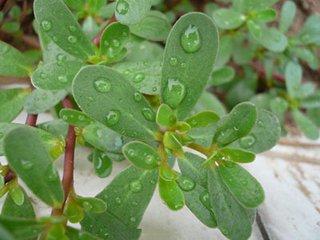
Sour in taste, cold in nature, it can clear heat and drain dampness, cool blood and detoxify. Used for bacillary dysentery, acute gastroenteritis, acute appendicitis, mastitis, bleeding hemorrhoids, etc. For external use, it treats
Mugwort leaf
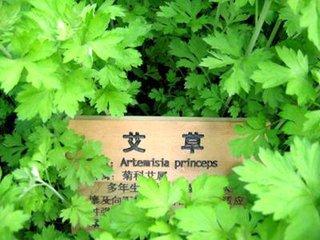
Mainly treats hematemesis; epistaxis; hemoptysis; hemafecia; metrorrhagia and metrostaxis; bleeding during pregnancy; irregular menstruation; dysmenorrhea; restlessness of the fetus; cold pain in the heart and abdomen; chronic diarrhea and dysentery; cholera with cramps
Lambsquarters
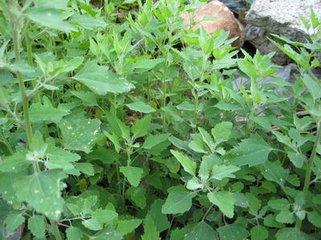
Sweet and neutral in taste, it clears heat, drains dampness, lowers blood pressure, relieves pain, kills insects, and stops diarrhea. The seedlings and tender stems and leaves are edible, with a delicious taste, tender texture, and rich nutrition.
Cocklebur fruit
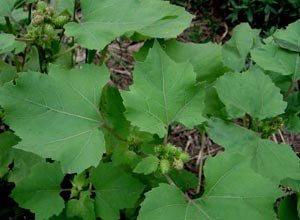
Disperses wind-dampness and unblocks the nasal passages. Used for wind-cold headache, sinusitis with runny nose, rubella with itching, and damp impediment with contracture.
Thorny vine
The whole herb is used medicinally, cold in nature and sweet-bitter in taste, with the effects of clearing heat, promoting urination and detoxifying, reducing swelling and relieving pain. It can treat heat strangury, stone strangury, difficulty urinating, diarrhea, dysentery, and cough due to lung heat.