Eating more vegetables helps control blood sugar, but these 8 vegetables should be eaten less
Nuonuo says
Friends with diabetes should eat an appropriate amount of more vegetables to meet the intake of one jin of vegetables per day, which is certainly good for controlling blood sugar, but the following 8 vegetables should be eaten with caution!

Taro
The main component of taro is starch, which is equivalent to the staple food we usually eat. Therefore, it is not recommended that friends with diabetes eat more taro.
Not only that, taro has a relatively high sugar content, and after cooking, both its calories and sugar content increase, making it easy to raise blood sugar.
How should friends with diabeteseat taro? It is recommended to reduce the correspondingamount of staple food. For 100 grams of taro, reduce 25 grams of staple food to keep blood sugar stable.
Potato
Nutritional data shows that every 100 grams of potato contains 17.2 grams of carbohydrates. The carbohydrate content is relatively high, so friends with diabetes need to pay special attention,and according to the amount of potato they eat, they should reduce their intake of rice and other staple foods, reducing 25 grams of staple food for every 100 grams.
It is worth mentioning that potato preparation methods such as fried potatoes and French fries may produce some harmful substances due to high-temperature oil cooking, and the fat content is too high. Nuonuo does not advocate these cooking methods.It is best to choose forms such as boiled potatoes or steamed potatoes.
Lotus root
Lotus root is a vegetable used both as medicine and food, and there are two types: seven-hole lotus root and nine-hole lotus root. The seven-hole lotus root has a brownish-yellow skin and a short, thick shape. This type has a relatively high starch content and little moisture, and is starchy rather than crisp, making it suitable for making soup and stewing; the nine-hole lotus root has smooth skin and a slender shape, with high moisture content and a crisp, tender, juicy texture, making it most suitable for cold dressing or plain stir-frying.
Seven-hole lotus root is often used to make lotus root stewed with pork ribs, and the steaming hot dish is very popular. However, this aquatic vegetable also belongs to the root and stem category and contains relatively high starch. Every 100 grams of lotus root contains 70 kilocalories of energy and 16.4 grams of carbohydrates. Friends with diabetes had better not eat too much of it!
Peas
Although peas are listed under vegetables in food composition tables, their energy should not be underestimated. Every 100 grams of peas (with pods) contains 105 kilocalories of energy, 7.4 grams of protein, 0.3 grams of fat, and 21.2 grams of carbohydrates, of which 1/5 is carbohydrates.Therefore, when pairing meals, friends with diabetes had best use peas little or not at all, and use other green vegetables with lower energy to garnish and decorate dishes, such as snow peas. Although both names contain "pea," the latter has very low energy, with only 27 kilocalories of energy per 100 grams.
In addition, there are many folk snacks made with peas, among which pea cake and pea flour cake are relatively famous, but rice flour and white sugar are added to them, greatly increasing the glycemic index, so they are also not suitable for friends with diabetes!
Beetroot
Beetroot has a relatively high sugar content. If friends with diabetes eat a larger amount, blood sugar will rise significantly after eating, so it is recommended to eat less beetroot.
Compared with similar root and stem vegetables such as white radish and carrot, beetroot has higher calories. Friends with diabetes should control the daily calories taken in from food and eat scientifically.
Dried lily
Lily is mainly composed of carbohydrates, so for friends with diabetes, lily counts as a staple food. There is no absolute taboo, but it must be eaten in moderation.
The carbohydrates contained in fresh lily (38.8 grams/100 grams) are lower than in dried lily (57.1 grams/100 grams), so fresh lily is more suitable for friends with diabetes.
Water caltrop
Water caltrop contains relatively high starchand is relatively likely to cause postprandial hyperglycemia. If friends with diabetes eat water caltrop, they should reduce the corresponding amount of staple food.
For friends with diabetes who also have kidney disease, hyperkalemia is very likely to occur. Once it appears, it will induce arrhythmia, so potassium intake should be limited.The potassium content in water caltrop is extremely high, so friends with diabetes who have kidney disease should not eat it.
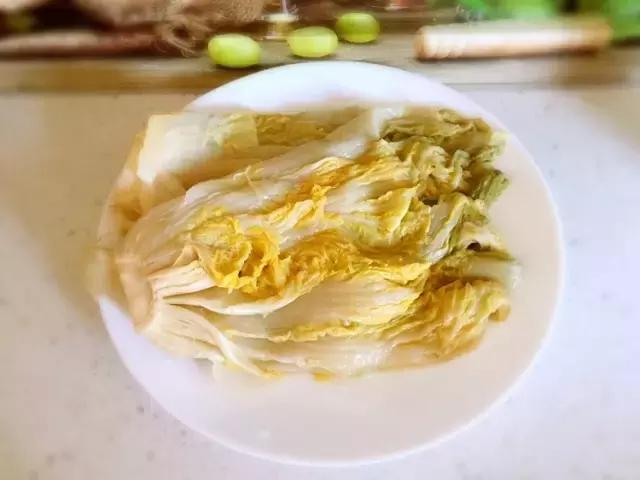
Pickled cabbage
Some pickled vegetables contain excessively high nitrites. This substance is not only toxic itself, but may also combine with amine substances in protein foods to form "nitrosamines" with relatively strong carcinogenicity.
Pickled cabbage generally has an excessively high salt content, which is unfavorable for chronic diseases. In addition, during the pickling process, vitamins are destroyed and the nutritional value is relatively low, so it is recommended that friends with diabetes eat less of it.