What vegetables to eat during Major Heat: 7 recommended seasonal health vegetables
What vegetables are good to eat during Major Heat? Major Heat, one of the 24 solar terms, is the hottest period of the year. In the hot weather, diet is also very important. So what vegetables are good to eat during Major Heat? Let me introduce them to you below.
What vegetables are good to eat during Major Heat
1. Tomato
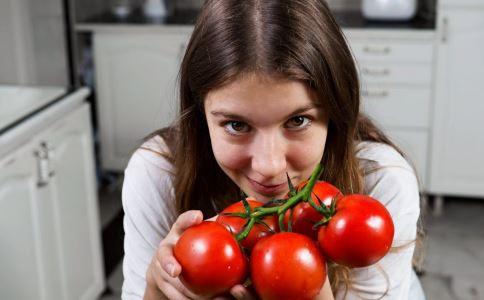
Tomatoes are sweet and sour and pleasant to the taste, and are rich in nutrients. Their flavor is sour and sweet, and their nature is slightly cold. They enter the liver, spleen, and stomach meridians and have the effects of promoting fluid production and quenching thirst, strengthening the stomach and promoting digestion, and clearing heat and detoxifying. Eating some tomatoes often in high-temperature weather can relieve summer heat, increase appetite, and help digestion. In addition, according to nutrition experts, there is another important reason to eat more tomatoes in summer - sun protection. This is because tomatoes are rich in the antioxidant lycopene, and a daily intake of 15 mg of lycopene can reduce the risk of sunburn by 40%.
2. Loofah
Loofah originated in India and belongs to the genus Luffa in the Cucurbitaceae family. It is an annual climbing herbaceous plant. It is widely cultivated in South China, Central China, East China, and the southwestern provinces of China. It is one of the main summer vegetables, and its tender fruit is used for food and is suitable for stir-frying and making soup. The mature fruit has well-developed fibers and can be used as medicine, called loofah sponge, and has effects such as regulating menstruation, removing dampness, and treating dysentery. Loofah is sweet in taste, cold in nature, and non-toxic. Main effects: removing heat and promoting bowel movement, mainly treating failure of pox to erupt and insufficient lactation. People with deficiency and internal cold, diarrhea, irregular menstruation, fatigue, phlegm and cough, and women with postpartum blocked lactation are suitable to eat more loofah.
Loofah is not suitable to be eaten raw. It can be cooked, or decocted in water and taken. Loofah is rich in juice and should be cut and cooked immediately to avoid nutrients flowing away with the juice. When cooking loofah, care should be taken to keep it as light as possible, use less oil, and a thin starch coating can be added, with monosodium glutamate or pepper used to enhance the flavor. Only in this way can the fragrant, tender, and refreshing characteristics of loofah be shown. Loofah has a fresh, sweet taste, and when cooking it, heavy-flavored sauces such as soy sauce and doubanjiang should not be added, so as to avoid overpowering the flavor.
3. Broccoli
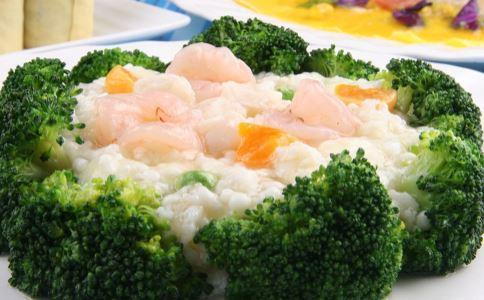
Broccoli is a very popular vegetable. It is delicious, highly nutritious, and also has high medicinal value. Its vitamin C content is very rich, much higher than that of chili peppers. It also has anti-cancer effects, and its effects have been recognized by people all over the world. The average nutritional value and disease-prevention effects of broccoli far exceed those of other vegetables, ranking first.
The nutrients in broccoli are not only high in content but also very comprehensive, mainly including protein, carbohydrates, fat, minerals, vitamin C, and carotene. According to analysis, every 100 grams of fresh broccoli florets contains 3.5 grams to 4.5 grams of protein, which is 3 times that of cauliflower and 4 times that of tomato. In addition, the mineral composition of broccoli is more comprehensive than that of other vegetables. The content of calcium, phosphorus, iron, potassium, zinc, manganese, and others is very rich, much higher than that of cauliflower, which also belongs to the Brassicaceae family. It is one of the vegetables that must be eaten in summer.
4. Mung bean sprouts
In the hot summer, preparing a dish of mung bean sprouts can clear heat and detoxify, promote urination, and remove dampness. At the same time, mung bean sprouts are very low in calories but high in water and fiber, can promote intestinal peristalsis, and have a laxative effect. They are recognized by people as an excellent summer weight-loss food and are also a healthy vegetable for constipation patients. They also have good dietary therapy value for patients with esophageal cancer, stomach cancer, and rectal cancer.
5. Pumpkin
For health preservation during Major Heat, eat more pumpkin. Pumpkin is warm in nature and sweet in taste, and enters the spleen and stomach meridians. It has the functions of tonifying the middle and benefiting qi, reducing inflammation and relieving pain, resolving phlegm and expelling pus, detoxifying and killing parasites, generating liver qi, benefiting liver blood, and preventing miscarriage. Pumpkin contains starch, protein, carotene, vitamin B, vitamin C, calcium, phosphorus, and other components, and is rich in nutrients. The bile secreted by pumpkin can help us promote gastrointestinal peristalsis and help food digestion, while the pectin in it can protect us from irritation by rough foods and protect the mucosa of our stomach and intestines. In addition, pumpkin can restore and regenerate the liver and kidneys, because pumpkin can eliminate the mutagenic effect of the carcinogen nitrite. It is a must-eat vegetable that helps digestion in summer.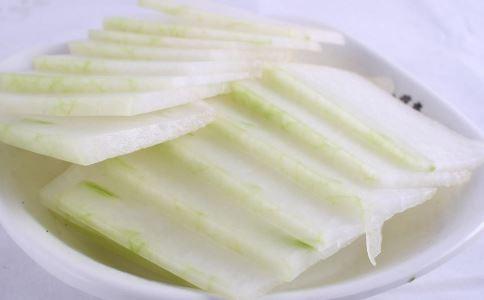
6. Winter melon
Winter melon is one of the most commonly used melon vegetables in midsummer. It is fresh and sweet, with thick flesh and high water content. Traditional Chinese medicine believes that it has the effects of eliminating summer dampness, nourishing stomach fluids, cleansing turbidity, reducing carbuncles, promoting water movement, and reducing swelling. It can be used for summer heat thirst, phlegm-heat cough and asthma, edema, athlete's foot, acne, facial spots, rectal prolapse, hemorrhoids, and others, and can also relieve alcohol. In addition, winter melon peel can promote urination, and winter melon seeds can strengthen the spleen, nourish the complexion, relieve cough, and resolve phlegm.
The trigonelline in winter melon can promote human metabolism. The rich tartronic acid it contains can effectively control the conversion of carbohydrates in the body into fat, prevent fat accumulation in the body, and also consume excess fat. It has good effects on preventing and treating hypertension, atherosclerosis, and promoting weight loss.
Sweet in taste, slightly cold in nature. It can clear heat and cool blood, promote urination and remove dampness, and detoxify. It is used for nosebleeds, coughing blood, vomiting blood, bloody stools, bleeding hemorrhoids, and blood in urine caused by blood heat; heat strangury, difficult urination, or women's damp-heat leukorrhea; mild wild mushroom poisoning, as well as sores and swelling, eczema, and venomous snake bites.
7. Water spinach
It is relatively rich in crude fiber. This edible fiber is composed of cellulose, hemicellulose, lignin, mucilage, and pectin, and has the effects of promoting intestinal peristalsis, relieving constipation, and detoxifying. Water spinach is cool in nature, and its juice has an inhibitory effect on Staphylococcus aureus, Streptococcus, and others, and can prevent infection. Therefore, if eaten often in summer, it can prevent heatstroke and relieve heat, cool the blood and expel toxins, and prevent and treat dysentery. (Reference website: Yangsheng Zhidao Network)
Featured recommendation: Major Heat health preservation should support yang, pay attention to preventing 4 diseases
Operations staff: Ma Wenjing MZ012