Choose these 10 vegetables for your salad, nutritious and healthy

When you add vegetables to your salad, the order in which you add them may affect the nutritional value of the vegetables themselves. So, would you put croutons, bacon or some other tasty toppings in your salad?
We can help you right now with how to add toppings to your salad. According to the 2014 Centers for Disease Control and Prevention (CDC: Centers for Disease Control) "foods with the highest nutrient content" table and the ranking table of vegetables by decreasing nutritional value, we can choose the best, most nutritious green foods to add to your salad.
No. 10: Iceberg lettuce

There is no doubt that iceberg lettuce is the least nutritious green in a salad. In fact, Phil has already banned this vegetable because of its low nutrient content. Of your daily vitamin intake, iceberg lettuce contains only about 7% of vitamin A and 3% of vitamin C, putting its nutritional value at the very bottom of the list.
Calories per gram: 10
No. 9: Arugula
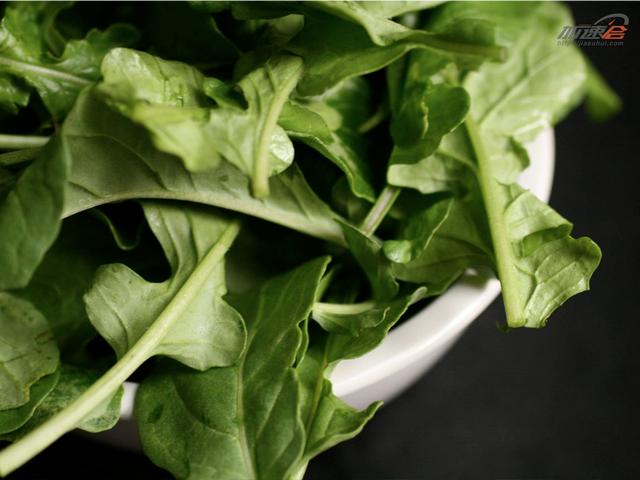
Arugula's distinctive flavor is not directly related to its rich nutritional value. It is a direct source of vitamin A and vitamin K, but it lacks the nutritional value found in other vegetables.
Calories per gram: 6
No. 8: Kale
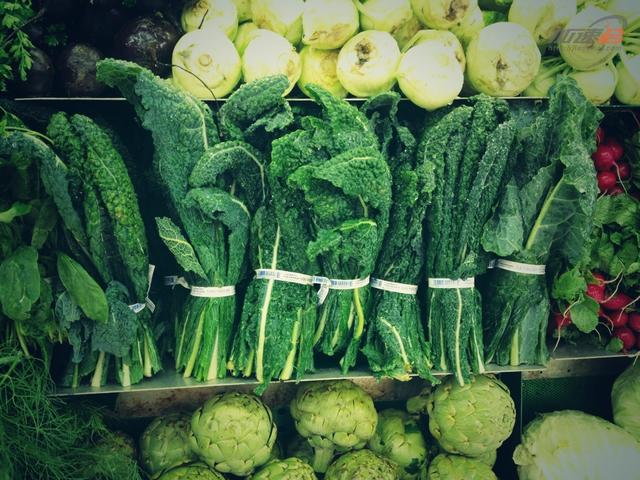
Everyone loves kale for a reason, because it contains extremely high levels of vitamins, especially vitamins A, C and K. Vitamin K plays a very important role in blood clotting. But kale has one small drawback: it has more calories than other vegetables (though it is still very low!). This means its nutrient density is rather low.
Calories per gram: 33
No. 7: Radicchio
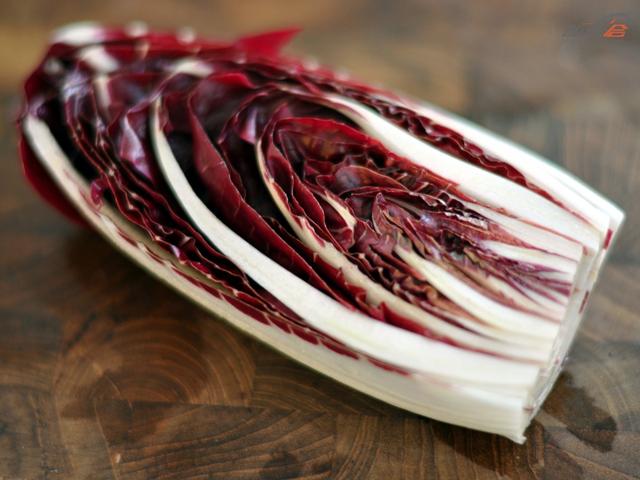
Radicchio is a member of the chicory family. It also contains vitamin K, fully guaranteeing your daily vitamin K intake.
Calories per gram: 9
No. 6: Frisée

Frisée is also a type of chicory, and it is very rich in vitamin K, but the vitamin content of one head of frisée is only 20% of your daily intake.
Calories per gram: 8
No. 5: Romaine lettuce
According to the CDC's ranking of "powerhouse foods," romaine lettuce made the top 10 of "powerhouse foods" because of its role in reducing the risk of chronic disease. It is very rich in vitamin A (about 81% of your daily vitamin A intake comes from one head of romaine lettuce) and some B vitamins.
Calories per gram: 7
No. 4: Leaf lettuce
The most nutritious member of the lettuce family is leaf lettuce; it is a low-calorie food and contains very rich vitamin A and K.
Calories per gram: 5
No. 3: Spinach
Spinach is a staple pairing for any fruit salad, and because of its rich nutritional content, it ranks very high. It is rich in vitamins and nutrients, especially potassium and iron, and potassium and iron play very important roles in regulating blood cells and blood pressure.
Calories per gram: 7
No. 2: Beet greens
Beet greens are one of the most nutrient-rich foods because of their low calorie and high nutrient content. On this entire list of leafy greens, beet greens contain the most vitamin K, almost 3 times your daily intake. Beet greens also contain a certain amount of magnesium, which helps muscle and nerve function and is also important in controlling blood sugar and regulating blood pressure.
Calories per gram: 7
No. 1: Watercress
Watercress grows in the shape of small round leaves and was named the most nutrient-rich food in the CDC study. Because it is rich in vitamins A, C and K, its calorie content is incredibly low.
It can reduce the risk of type 2 diabetes, and this vegetable is not difficult to grow.
Calories per gram: 4
Jiasuhui: Accelerate your understanding of the world, all the inside stories are here! Please follow the Jiasuhui WeChat official account: jiasuhuihao
Jiasuhui editor-in-chief WeChat: leaderweb