Eating the right vegetables can also supplement calcium; underestimating vegetables makes it easy to miss out
When it comes to calcium-rich foods, many people first think of milk. Milk is highly praised for being simple and convenient to consume, which also troubles some people who cannot drink milk. In fact, besides milk, there are many foods in our daily diet that can supplement calcium, such as various soybean products. However, the calcium-rich food we are talking about today is neither milk nor soybean products, but the vegetables we eat most often!
Vegetables also supplement calcium
Radish leaves
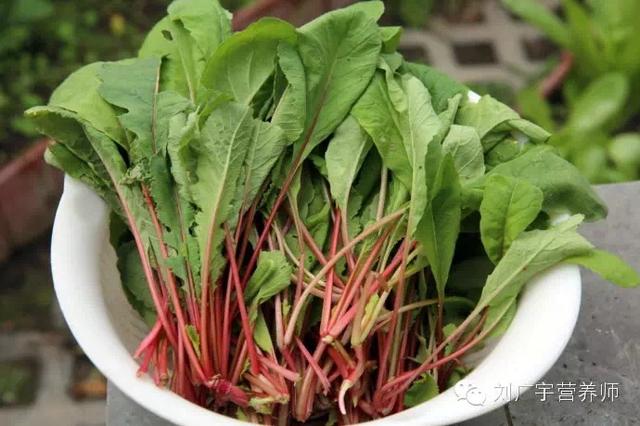
Radish leaves have long been regarded as a worthless part to be thrown away, but the truth is that they are the essence of the radish. Radish leaves contain various minerals and trace elements, and it is worth mentioning that they are rich in calcium. According to the food nutrient composition table, every 100 grams of red radish leaves contain 350 mg of calcium, ranking first among all vegetables. Every 100 grams of small radish leaves contain 238 mg of calcium, and 100 grams of green radish leaves also contain 110 mg of calcium. Milk's 104 mg can only rank behind them.
Kelp
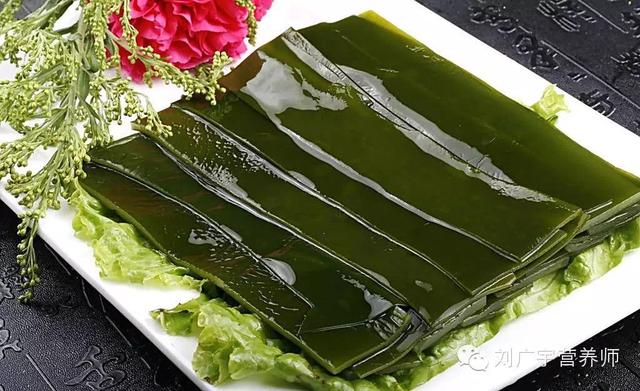
Kelp has long been known as the "longevity vegetable" and is one of the vegetables with high nutritional value, and its calcium content is one of its outstanding advantages. Every 100 grams of dried kelp contains 348 mg of calcium. Even 100 grams of soaked kelp contains 241 mg of calcium. Eating a moderate amount of kelp in daily life is beneficial for calcium supplementation.
Shepherd's purse
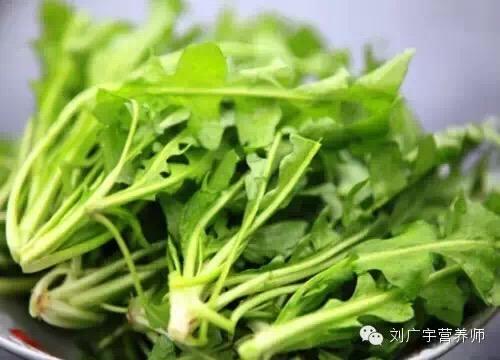
Shepherd's purse is a vegetable with relatively high calcium content. According to "Quick Reference of Food Nutritional Components," every 100 grams of shepherd's purse contains 294 mg of calcium, approximately 3 times the calcium content of milk. Moreover, research shows that the calcium absorption rate of shepherd's purse is comparable to that of milk, making it an indispensable calcium-supplementing expert among vegetables.
Potherb mustard
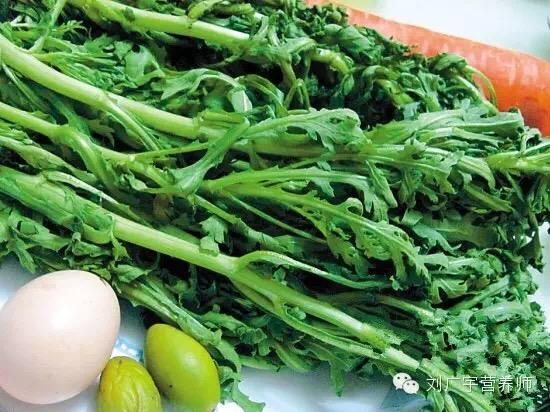
The calcium content of potherb mustard is also outstanding among vegetables. According to "Quick Reference of Food Nutritional Components," every 100 grams of potherb mustard contains 230 mg of calcium, which is also higher than the calcium content of milk. It should be noted that potherb mustard is often eaten after pickling. An occasional change of taste is fine, but it is not recommended to eat it regularly or in large amounts at one time, to avoid increasing salt intake.
In fact, there are many other vegetables with relatively high calcium content, such as Chinese kale, rapeseed, water spinach, and bok choy. Their calcium content is relatively high, and eating these vegetables is helpful for calcium supplementation.
Tips for cooking to supplement calcium
1. Vegetables should be stored fresh to reduce calcium loss;
2. Vegetables should not be cut too finely, and the stir-frying time should not be too long;
3. Because vegetables contain more oxalic acid, and oxalic acid affects calcium absorption, it is recommended to blanch the vegetables in hot water first to remove most of the oxalic acid before further preparation;
4. Adding a moderate amount of vinegar for seasoning is beneficial for calcium absorption.
Calcium-supplementing vegetable soup
In this cold winter, I recommend a calcium-supplementing shepherd's purse and tofu soup for everyone to warm up!
Ingredients: 150 grams each of shepherd's purse and tofu, 3 dried shiitake mushrooms
Seasonings: salt, chicken essence, white pepper powder, sesame oil, water starch
Method:
1. Soak the dried shiitake mushrooms until rehydrated, cut into strips and set aside; cut the tofu into cubes and set aside; wash the shepherd's purse, cut into sections, blanch in hot water and set aside;
2. Add an appropriate amount of water to the pot. After the water boils, add the tofu and shiitake mushrooms. After it comes to a boil, add the shepherd's purse and a little salt and chicken essence;
3. After it boils again, sprinkle in white pepper powder and sesame oil, then thicken with an appropriate amount of water starch.