How do you judge the rises and falls in wheat, corn and rice prices? Daily Grain and Oil interprets
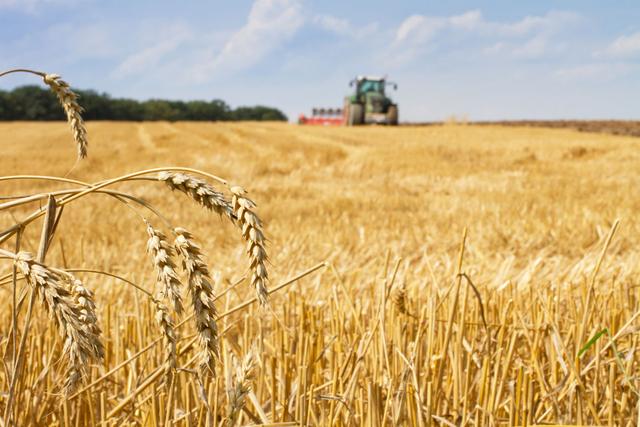
Everyone says supply and demand determine prices, but in the hearts of farmers who sell grain there is this saying: once the grain is sold, the price shoots right up.
Others say that as long as the grain is in the farmers' hands, the price will not rise!
Is that really so? Below, the Daily Grain and Oil editor shows you some hidden rules in corn purchasing!
1. No matter how you put it, supply and demand must still come first. However, what farmers need to be warned about is this: do not let the output of your own little plot fool you. Before selling grain, it is best to collect more survey reports from industry institutions - although many survey reports are not too reliable when it comes to price forecasts, at least from their actual surveys you can see the output situation in other places and set a rough figure for the whole year's grain output - if output is down, hold back on selling; if output is up, sell early!
2. Besides grasping the principles of the big picture, the most essential thing is to understand the purchasing habits of grain-using enterprises - after all, they are the real influencers of market prices.
Take corn as an example. Generally, when new grain comes onto the market in September-October, enterprises buy as they use, since there are plenty of grain sources; from the end of November to early March of the following year, because of rainy and snowy weather in the north, plus the fact that state-owned grain enterprises generally act in line with national policy at this time, grain-using enterprises will also scramble for grain accordingly and step up their purchasing; from mid-March to May, grain purchasing as a whole is nearing its end, and the overall market supply and demand situation is basically clear, so at this time if enterprises feel output is insufficient they will increase purchasing, and the price peak often appears at this time; if enterprises feel grain sources are sufficient, then purchasing during this period will be very quiet. Entering June-September, it is basically dominated by state auctions - at least in the past two years this situation will not change much.

3. Use other varieties with substitution effects for comparison of price-ratio benefits.
Generally speaking, when the price of wheat is 100-200 yuan/ton lower than the price of corn, feed enterprises will use wheat to replace corn, thereby reducing the amount of corn used, and from this you can basically grasp the trend of corn prices. Likewise, if corn prices rise sharply, it will also drive wheat prices upward. So when making such comparisons, you must choose your judgment point well. Generally, enterprises will choose a relatively weaker variety as the reference to determine the price trend of the variety whose price is rising.
4. Choose a relatively reliable professional information institution to obtain market price information.
Generally, because farmers have limited access to information, their view of the market is mostly one-sided. At this time it is best to use information from industry institutions to strengthen your own judgment. Working with market cycles, when we see online quotes all rising, the price may really be about to rise; conversely, it may be about to fall.
There is an old Chinese saying: many mouths make gold melt, accumulated slander wears the bones away. This saying may not be entirely accurate when applied to price monitoring, but the principle is the same.
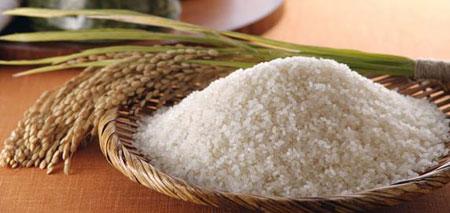
One point that needs to be made clear is that because industry institutions all collect prices according to national standard standards, most quote enterprise purchase prices, and because collection points differ, the prices will differ considerably from the actual prices at which farmers sell grain. So when farmers refer to them, do not get stuck on minor details; what you need to look at is the trend of the prices it provides. If it reports declines continuously, you should get ready for grain prices to fall.
Although the above is addressed to farmers, it also has reference value for some enterprises and individuals engaged in the grain trade. Also, if you have new experiences and insights in the process of selling grain, you are welcome to message the editor privately or leave a comment below the article, so that more people can share this knowledge.