What Are the "Zhe Ba Wei"? A Detailed Guide to 8 Authentic Zhejiang Medicinal Herbs
Most people traveling pick up some local specialty to bring home as a keepsake or a gift. Due to the influence of the industry, when a friend previously went to Changbai Mountain, they brought me back freshly harvested "fresh ginseng." This time, when a friend went to Zhejiang, they jokingly asked me what I wanted brought back. Everyone else does "overseas shopping"; does mine count as "herb shopping"? Let's just take a look at what authentic varieties Zhejiang has to offer!
Atractylodes macrocephala (Baizhu)
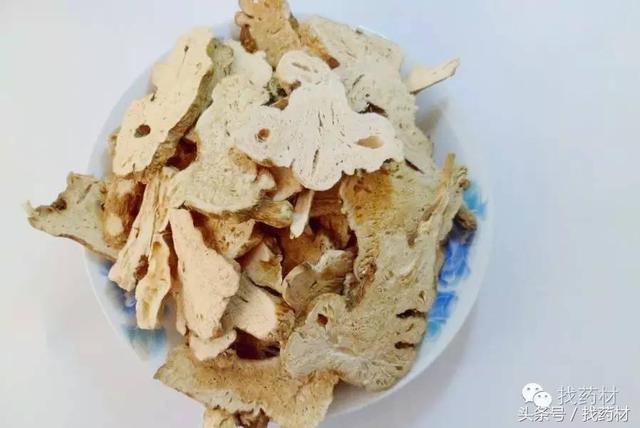
Atractylodes macrocephala: It can boost immune function, enhance digestive function, and also has liver-protecting, diuretic, blood-sugar-lowering, and anti-tumor effects.
Paeonia lactiflora (Baishao)
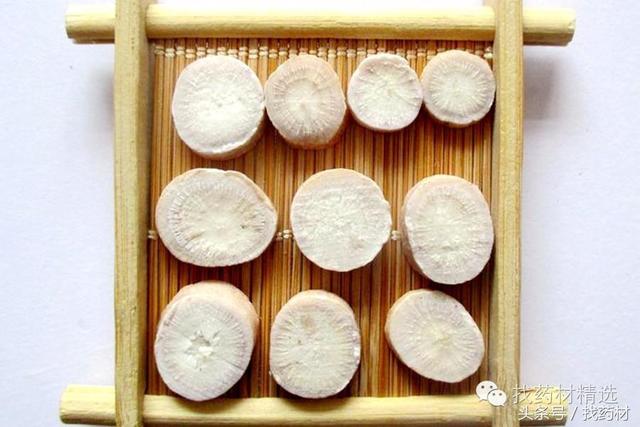
Paeonia lactiflora: Calms the liver and relieves pain, nourishes the blood and regulates menstruation, astringes yin and stops sweating. Used for headache and dizziness, hypochondriac pain, abdominal pain, cramping pain of the limbs, blood deficiency with sallow complexion, irregular menstruation, spontaneous sweating, and night sweats.
Hangzhou white chrysanthemum
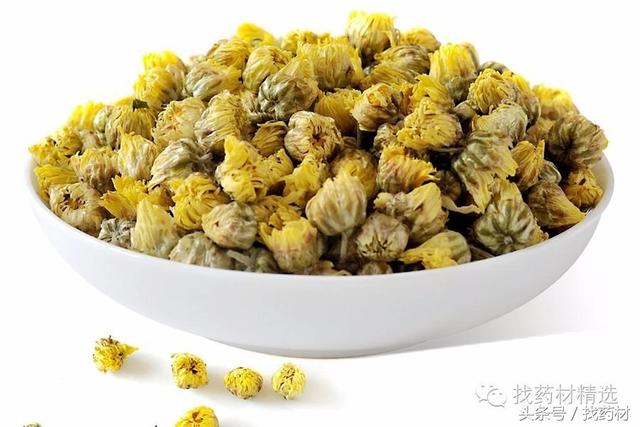
Hangzhou white chrysanthemum: It is a traditional chrysanthemum for tea in China, and also the best variety among chrysanthemum teas. It has the effects of stopping dysentery, reducing inflammation, improving eyesight, lowering blood pressure, lowering blood lipids, and strengthening the body. It can be used to treat damp-heat jaundice, stomach pain with poor appetite, edema with scanty urine, and other conditions. Bathing with chrysanthemum infusion has the functions of relieving itching, refreshing the body, and caring for the skin.
Wen Yujin (Curcuma wenyujin)
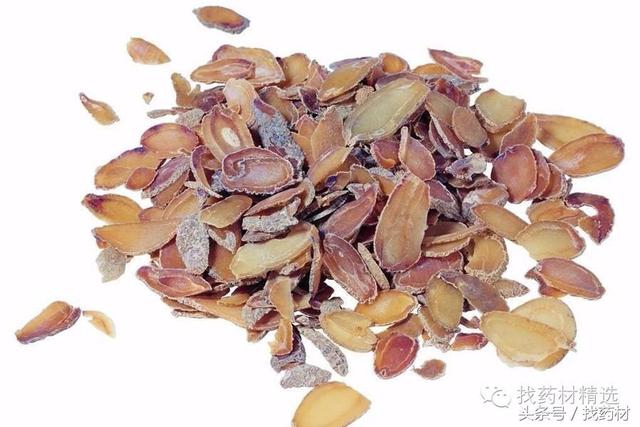
Wen Yujin: Moves qi and relieves depression, invigorates the blood and stops pain, promotes bile flow and reduces jaundice. Treats various pains of the chest, abdomen, ribs and hypochondrium, mental derangement and mania, coma in febrile disease, vomiting of blood, nosebleed, blood in urine, bloody strangury, vicarious menstruation in women, and jaundice.
Zhejiang fritillary (Zhe Beimu)
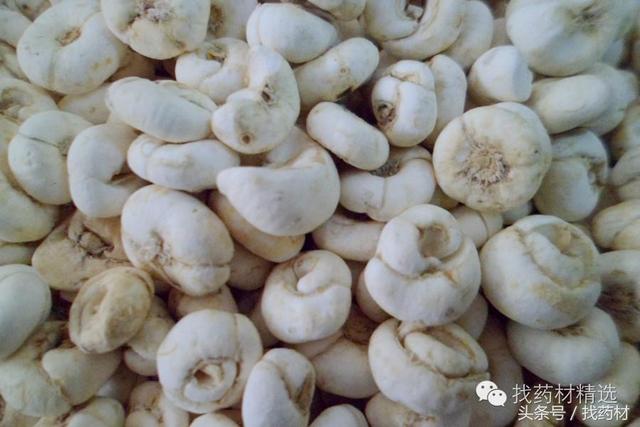
Zhejiang fritillary: Clears heat and transforms phlegm, disperses nodules and resolves toxins. Treats wind-heat cough, lung abscess and throat obstruction, scrofula, and sores and swellings. Medication contraindications: those with cold phlegm, damp phlegm, or deficiency-cold of the spleen and stomach should take Zhejiang fritillary with caution; Zhejiang fritillary is incompatible with aconite.
Scrophularia ningpoensis (Xuanshen)
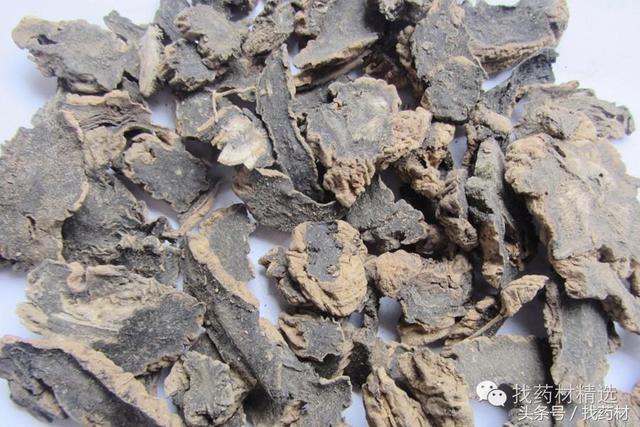
Scrophularia ningpoensis: For warm-heat disease with heat in the nutrient and blood aspects; body heat; excessive thirst; skin eruptions; bone-steaming consumptive cough; restlessness and insomnia; constipation due to damaged fluids; dry, dim eyes; sore, swollen throat; and abscesses and sores.
Ophiopogon japonicus (Maidong)
Ophiopogon japonicus: Nourishes yin and promotes fluid production, moistens the lungs and clears the heart. Used for dry cough due to lung dryness, consumptive cough, thirst due to damaged fluids, restlessness and insomnia, internal heat with wasting-thirst, constipation due to intestinal dryness; and pharyngeal diphtheria.
Corydalis yanhusuo (Yanhusuo)
Corydalis yanhusuo, also known as Yuanhu, is an excellent herb for invigorating the blood and resolving stasis, and for moving qi and stopping pain, and it is especially renowned worldwide for its pain-relieving effect. In the "Compendium of Materia Medica," Yuanhu is summarized as having four major effects: "invigorating the blood, regulating qi, stopping pain, and promoting urination," and it praises Yuanhu, saying it "can move stagnant qi within the blood and stagnant blood within the qi, and therefore specifically treats all pains throughout the body."
Conclusion:In Zhejiang Province, authentic medicinal herbs besides the "Zhe Ba Wei" are everywhere, such as Cornus officinalis, Lindera aggregata, black plum, Polygonatum odoratum, gardenia, cuttlefish bone, and sericulture resources such as silkworm feces, silkworm pupae, silkworm moths, mulberry leaves, mulberries, and white mulberry root bark, and so on. Therefore, the broad sense of "Zhe Ba Wei" has already far exceeded what its original content referred to, and is instead a general term for Zhejiang's authentic medicinal herbs represented by the "Zhe Ba Wei." Its name and content reflect more of a "Zhe Ba Wei" cultural concept and scope, and it is a concrete representative of Zhejiang's "traditional Chinese medicine culture."