Sharing knowledge about Tibetan medicinal herbs: finding herbs takes you deeper into Tibetan medicine
Nyingchi in Tibet is known as the "Switzerland of China, Jiangnan of the Snow Region." Here the mountains are high and the trees dense, and the resources of Chinese medicinal herbs are extremely rich, with as many as 3500 species. The scientific community praises it as the "World Natural Museum." It abounds with dozens of species such as Zhuyesanqi, dangshen, milkvetch root, polygonatum, red sage, Tibetan angelica, goji berry, Yizhihao, and snow lotus of the high mountains, as well as the anticancer drugs bajiaolian, langdu, and tiannanxing; Paris polyphylla, the "plateau ginseng" rhodiola, and sanjiazhen are found all over the mountains, and most of them are rare and precious medicinal herbs.
Today, let us briefly introduce to you the purchasing characteristics of Tibetan medicinal herbs!
Wild medicinal herbs of the Tibetan region
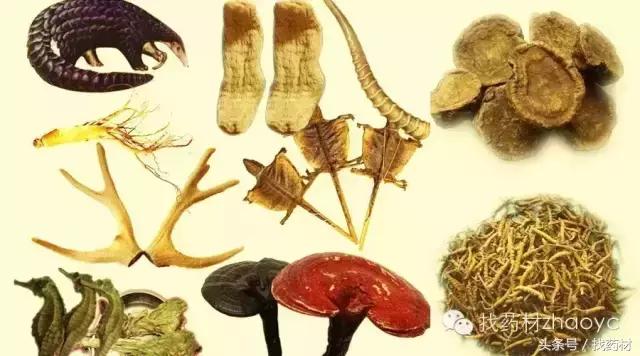
The following lists some wild Tibetan medicinal herbs that are easy to buy in the Tibetan region, for reference. Some of these medicines are not expensive, but their effects are very good.
1. Cordyceps sinensis
Produced in the Nagqu region of Tibet. Warm in nature, sweet in taste. It strengthens the lungs and benefits the kidneys, nourishes yin and invigorates yang, stops bleeding and transforms phlegm, and strengthens the body. It has an inhibitory effect on Mycobacterium tuberculosis and pneumococcus, and also has a clear therapeutic effect on work fatigue, insomnia, and forgetfulness.
2. Saffron
Saffron has been used as medicine since ancient times, with remarkable effects, and is especially famous throughout the world for nourishing and invigorating the blood. In both ancient and modern times, in China and abroad, it is a good medicine for gynecological conditions. It has the effects of relaxing the tendons and invigorating the blood, promoting menstruation and resolving stasis, reducing swelling and relieving pain, cooling the blood and disinfecting, and when taken over a long period it delights the heart. Therefore, the medical field uses it to prevent and treat cerebral thrombosis, vasculitis, myocardial infarction, blood deficiency and general weakness, irregular menstruation, postpartum blood stasis, generalized pain, traumatic injuries, neurasthenia, palpitations, and mania.
3. Tibetan velvet antler
It mainly treats impotence, spermatorrhea, involuntary seminal emission, soreness and weakness of the waist and knees, weakness of the tendons and bones, dizziness and tinnitus, listlessness, incessant metrorrhagia and metrostaxis, infertility, poor development in children, and fractures that do not heal for a long time, all caused by insufficiency of kidney yang and depletion of essence and blood.
4. Tibetan gastrodia
Sweet and neutral. It nourishes the heart and calms the spirit, relieves pain and stops convulsions, calms the liver and subdues yang, and treats dizziness and headache, and dispels wind-dampness. It is used to treat wind-damp arthralgia, numbness of the limbs, and cold reversal of the hands and feet.
5. Tibetan reishi
It mainly treats insufficiency of qi and blood and emaciation. It nourishes the heart and calms the spirit, and stops cough and calms panting. It has therapeutic effects on leukopenia caused by coronary heart disease, hepatitis, high blood pressure, and various other reasons.
6. Tibetan fritillary
Wild fritillary clears heat and moistens the lungs, transforms phlegm and stops cough, and disperses swelling and pain. It is often used to resolve phlegm, sores, carbuncles and swellings and toxins, as well as breast abscess, lung abscess, and other conditions.
7. Tibetan snow ginseng
It has the effects of nourishing yin and invigorating yang, and resisting aging and prolonging life. It has a unique therapeutic effect on numbness of the hands and feet and rheumatoid arthritis, and is an excellent tonic for middle-aged and elderly people.
8. Tibetan snow lotus
It grows at an altitude of 4800-5800 m on high mudflow stone slopes and among gravel near the snow line. The whole plant can be used as medicine. It has the effects of dispelling cold, invigorating yang, nourishing blood, and warming the uterus. It mainly treats women's diseases, rheumatoid arthritis, kidney deficiency, and waist diseases.
9. Rhodiola
Produced in Tibet. It supports the vital qi and consolidates the constitution, tonifies original qi, resists hypoxia, resists fatigue, and resists aging. It has preventive and nutritional effects on neurasthenia, neurosis, high blood pressure, diabetes, palpitations, malnutrition, prolonged illness and weakness, diseases of old age, and living after moving to a special environment.
10. Tibetan capillary wormwood
Bitter and pungent in taste, slightly cold in nature. Tibetan medicine uses it to treat indigestion. It mainly treats icteric hepatitis, cirrhosis, and ascites due to liver disease. It is also used for cholecystitis, biliary syndrome, bile reflux gastritis, acute osteomyelitis, acute bacillary dysentery, acute icteric hepatitis, acute conjunctivitis, acute pharyngitis, and scalds, and is also used for wind-fire toothache and heat strangury. It also has a certain therapeutic effect on urinary tract infections and gynecological vulvar disorders. It can also induce sweating, reduce fever, and expel parasites. It has a very good health-care function. Take a small amount of dried capillary wormwood and a few large jujubes every day and brew them as tea; drinking it regularly can increase human immunity, lighten the body and boost qi, protect the liver and benefit the gallbladder, and resist aging and prevent cancer.
11. Antelope horn
Produced in Tibet. It is used for dysmenorrhea, convulsions, stroke, and other liver-wind spasmodic conditions, and syndromes of liver-yang rising. It clears heat and calms spasms, calms the liver and extinguishes wind, resolves toxins and reduces swelling, and treats high fever with clouded spirit, delirious raving, convulsive epilepsy and twitching, and red eyes with swelling and pain.
12. Tibetan chebulic myrobalan
It mainly treats hyperacidity, stomach pain, stomach cold, stomach spasms, distending stomach pain, and various stomach diseases caused by indigestion, damage to the gastric mucosa, and gastric ulcers, with very good therapeutic effects. The effect is even better when taken over a long period.
13. Dishen (Dichong)
Promotes fluid production and quenches thirst, moistens the lungs and clears heat, supplements calcium, promotes digestion, and enhances disease resistance and immunity.
14. Mishen
Sweet in taste, slightly bitter, cool in nature. It is used to benefit lung yin, clear deficiency fire, promote fluid production and quench thirst, and for oral ulcers, chronic cough due to lung deficiency, blood loss, dry throat and thirst, and deficiency heat with burning and fatigue.
15. Shouzhangshen
Tonifies qi and benefits blood, promotes fluid production and quenches thirst, and treats cough and panting due to lung deficiency, emaciation due to consumptive disease, neurasthenia, blood loss, excessive vaginal discharge and insufficient lactation. It benefits the kidneys and supplements the brain, and for chronic hepatitis and diabetes it is combined with polygonatum.
16. Cynomorium
Produced in Ngari, Tibet. It tonifies the kidneys and invigorates yang, and moistens the intestines to relieve constipation. It mainly treats impotence, infertility, soreness and weakness of the waist and knees, weakness of the tendons and bones, and it benefits essence and nourishes blood, and moistens the intestines to relieve constipation.
17. Lulohua
Produced in the high-cold zone of Tibet, it is a precious plant unique to Tibet. It mainly treats diabetes, coronary heart disease, high blood pressure, and various vascular inflammations.
18. Gecko (Snow salamander)
It mainly treats rheumatism, invigorates yang and tonifies the kidneys, and treats impotence and spermatorrhea; it can be soaked in alcohol and taken. It has the effects of tonifying the lungs and kidneys, benefiting essence and blood, and stopping cough and calming panting. It has therapeutic effects on consumptive cough, panting, coughing blood, and wasting-thirst.
19. Wild matsutake
Produced in the Nyingchi region of Tibet. It tonifies the kidneys and strengthens the body, and regulates qi and transforms phlegm. It treats soreness and weakness of the waist and knees, dizziness and blurred vision, cough with damp phlegm, stuffiness and oppression in the chest and diaphragm, nausea and vomiting, and heaviness and fatigue of the limbs.
20. Yinyangzi (Longfengzi)
It has the effects of warming the kidneys and invigorating yang, and strengthening the body. It is used for dispelling wind and removing dampness, tonifying the liver and kidneys, and for insufficiency of qi and blood, joint aching, and other conditions.
21. Guitouzi (Tianzhuzi)
It has the effects of warming the kidneys and invigorating yang, and strengthening the tendons and bones. It is used to tonify the liver and kidneys, warmly tonify qi and blood, and for kidney-blood depletion, joint aching, and other conditions.
22. Juema (Ginseng fruit)
Sweet in taste, neutral in nature. It mainly tonifies qi and blood, strengthens the spleen and stomach, promotes fluid production and quenches thirst, and drains dampness. It is used for anemia after illness, malnutrition, diarrhea due to spleen deficiency, and wind-damp arthralgia.
23. Tibetan snow tea
Produced in Shannan, Tibet. It clears heat and reduces inflammation, promotes fluid production and quenches thirst, calms the liver and reduces fire, refreshes the mind and calms the spirit, and lowers lipids and reduces weight. It is used for pharyngitis, cough due to lung heat, heatstroke, high blood pressure, neurasthenia, and adolescent acne.
24. Rheumatism medicinal wine
Dispels wind-dampness. It treats wind-damp arthralgia, numbness of the limbs, cold reversal of the hands and feet, insufficiency of qi and blood, emaciation, dual deficiency of the heart and spleen, stops cough and calms panting, phlegm-damp cough and panting, and leukopenia caused by various reasons.
25. Songluo (Nuluo, Jiejincao, Tianpengcao)
Sweet in taste, neutral in nature. It mainly clears heat and resolves toxins, and stops cough and transforms phlegm. It is used for pulmonary tuberculosis and chronic bronchitis, and externally for traumatic infection, postoperative incision infection, suppurative otitis media, boils, lymph node tuberculosis, mastitis, burns, cervical erosion, vaginal trichomoniasis, and other diseases. It is suitable for external use by grinding into powder for topical application or decocting in water for washing.