How to eat various vegetables in 2018? Save this vegetable-eating guide
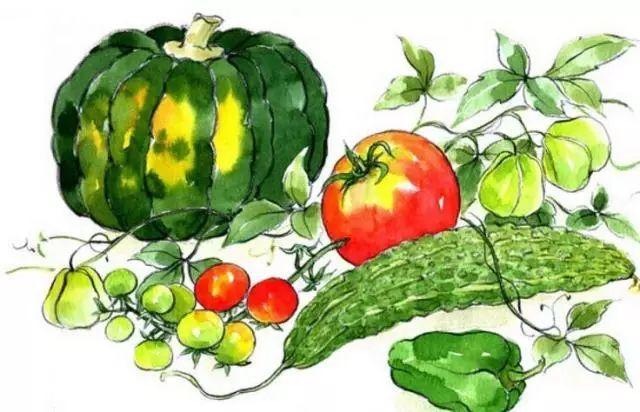
Vegetables can be divided into leafy vegetables, root and tuber vegetables, gourd and solanaceous vegetables, and fresh beans according to their structure and edible parts. The nutrients they contain vary greatly depending on the type.
Vegetables are the main source of vitamins and minerals. In addition, they also contain more cellulose, pectin and organic acids, which can stimulate gastrointestinal peristalsis and the secretion of digestive juices, so they can also promote appetite and aid digestion. The final metabolic products of vegetables in the body are alkaline, so they are called "alkaline foods" and play an important role in maintaining the acid-base balance in the body.
Leafy vegetables
A good source of dietary fiber
Chinese cabbage, spinach, rapeseed, Chinese chives, amaranth, etc. are good sources of carotene, vitamin B2, vitamin C, minerals and dietary fiber.
Green leafy vegetables and orange vegetables are relatively rich in nutrients, especially carotene. Although vitamin B2 content is not very rich, they are still the main source of vitamin B2 in the Chinese diet.
Dietary fiber is the "scavenger" of the digestive system. It can promote the excretion of waste and reduce the absorption of unfavorable substances such as cholesterol.
Vitamin B2 deficiency often leads to symptoms such as cheilitis, glossitis, angular stomatitis, scrotal dermatitis, burning eyes and scleral congestion, known as "oral-genital syndrome". In addition, it is often accompanied by deficiencies of other vitamins.
Vitamin C can detoxify and eliminate carcinogens and reduce nitrite, thereby lowering the incidence of malignant tumors such as those of the digestive tract. It also has the effect of promoting antibody formation and enhancing cell phagocytosis, which can improve the body's immune resistance.
Root and tuber vegetables
Rich in nutrients
Mainly includes radish, carrot, water chestnut, lotus root, Chinese yam, taro, scallion, garlic, bamboo shoots, etc. The dietary fiber content is lower than that of leafy vegetables. Carrot contains the highest carotene, reaching up to 4130 μg per 100 g. The selenium content is highest in garlic, taro, onion, potato, etc.
Gourd and solanaceous vegetables
High water content
Includes winter melon, pumpkin, loofah, cucumber, eggplant, tomato, pepper, etc. Because gourd and solanaceous vegetables have a high water content, their nutrient content is relatively low. The carotene content is highest in pumpkin, tomato and pepper, and the vitamin C content is higher in pepper and bitter melon. Although the vitamin C content in tomato is not very high, it is protected by organic acids, so little is lost, and the amount eaten is relatively large, making it a good source of vitamin C for the human body. Pepper is also rich in selenium, iron and zinc, making it a food with relatively high nutritional value.
Vitamin C is easily destroyed by heat, light and oxygen. In order to reduce the loss of vitamin C in food, the freshest fruits and vegetables should be eaten as much as possible. If they need to be stored, they are best kept in the refrigerator. When cooking foods rich in vitamin C, prolonged heating should be avoided; stir-fry quickly over high heat, and do not leave cut side dishes sitting for too long. Vitamin C is easily soluble in water, so vegetables should be washed first and cut later, and the cooking liquid should be drunk as much as possible.
Zinc plays an extremely wide range of physiological roles in the body and plays an important role in growth and development, intellectual development, immune function, material metabolism and reproductive function. Zinc deficiency can lead to many pathological changes, such as growth and developmental disorders, neurological and mental disorders, etc.
Fresh beans
Relatively high nutrient content
Includes edamame, cowpea, green beans, hyacinth bean, pea, etc. Compared with other vegetables, their nutrient content is relatively high. The protein content is 2%-14%, the fat content is not high, and the carotene content is generally high, with most containing around 200 μg per 100 g. In addition, they are also rich in potassium, calcium, iron, zinc, selenium, etc. The iron content is higher in sprouted beans, sword bean, broad bean and edamame, with more than 3 mg per 100 g. The zinc content is higher in broad bean, pea and kidney bean, with more than 1 mg per 100 g. The selenium content is higher in jade bean, dragon bean, edamame, yardlong bean and broad bean, with more than 2 μg per 100 g. The vitamin B2 content is similar to that of green leafy vegetables.
Fungi and algae
High protein content
Fungi and algae foods include edible fungi and algae foods. Edible fungi refer to fungi used for human consumption, with more than 500 varieties. Common varieties include mushroom, shiitake, silver ear fungus and wood ear fungus. Algae are lower plants that have no embryo, are autotrophic, and reproduce by spores. Those used for human consumption include kelp, nori, hair weed, etc.
Fungi and algae foods are rich in protein, dietary fiber, carbohydrates, vitamins and trace elements. The protein content is most abundant in hair weed, shiitake and mushroom, at more than 20%. The amino acid composition of the protein is relatively balanced, and essential amino acids account for more than 60% of the total protein. The contents of vitamin B1 and vitamin B2 are also relatively high. Trace elements are abundant, especially iron, zinc and selenium, with contents several times or even more than ten times those of other foods.
Edible fungi have effects such as enhancing immunity, anti-tumor, anti-viral, anti-radiation, anti-aging, preventing and treating cardiovascular disease, protecting the liver, strengthening the stomach and aiding weight loss because of the special substances they contain.
How to choose and cook vegetables matters

Fresh and deep-colored is the best choice
Vegetables are rich in vitamins. Apart from vitamin C, the content in leaves is generally higher than in roots and stems, tender leaves are higher than withered leaves, and dark-colored leaves are higher than light-colored ones. Therefore, when choosing, attention should be paid to selecting fresh vegetables with deep color.
Ensure the best nutritional value
The vitamins and minerals contained in vegetables are easily soluble in water, so it is advisable to wash first and cut later to reduce the contact area between vegetables and water and air and avoid loss.
Washed vegetables should not be left for too long, so as to avoid oxidative destruction of vitamins. In particular, avoid soaking chopped vegetables in water for a long time.
When cooking, try to stir-fry quickly over high heat. Experiments show that when vegetables are boiled for 3 minutes, 5% of vitamin C is lost, and after 10 minutes it reaches 30%. To reduce loss, adding a small amount of starch during cooking can effectively protect vitamin C from destruction.
Rational use of fungi and algae foods
In addition to providing rich nutrients, fungi and algae foods also have obvious health benefits. Research has found that mushroom, shiitake and silver ear fungus contain polysaccharides, which can improve human immune function and have anti-tumor effects.
The lentinan purine contained in shiitake can inhibit the formation and absorption of cholesterol in the body, promote the decomposition and excretion of cholesterol, and has a blood lipid-lowering effect.
Wood ear fungus can resist platelet aggregation and lower blood coagulation, reduce blood clots, prevent thrombosis, and help prevent and treat atherosclerosis. Because kelp contains a large amount of iodine, it is often used clinically to treat iodine-deficiency goiter. The sodium alginate salt in kelp has the effect of preventing leukemia and bone cancer.
In addition, when eating fungi and algae foods, attention should also be paid to food hygiene to prevent food poisoning. For example, silver ear fungus is easily contaminated by Flavobacterium farinofermentans. Eating contaminated silver ear fungus can cause food poisoning.