What are the top vegetables? Ten "best of" facts to help you eat vegetables according to your needs
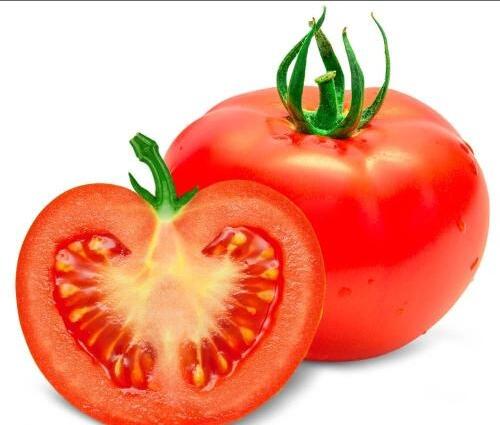 1. Tomato, also known as fanqie. It is brightly colored, beautiful in shape, sweet and sour, and delicious. The tomato is rich in nutrients, unanimously recognized by nutritionists. Every 100 grams of tomato contains 94.4 grams of water, 0.9 grams of protein, 0.2 grams of fat, 0.5 grams of dietary fiber, 3.54 grams of carbohydrates, and also contains carotene, vitamin B1, vitamin B2, vitamin C, vitamin P, and minerals such as calcium, phosphorus, and iron. Modern research shows that cancer patients' need for vitamin C increases significantly, and tomatoes are rich in vitamin C, making them the top choice of fruits and vegetables for cancer prevention and anti-cancer effects, so some people call them the "cancer killer." Moreover, tomatoes are sweet, sour, and slightly cold in nature, with effects of promoting fluid production and quenching thirst, strengthening the stomach and aiding digestion, cooling the blood and calming the liver, clearing heat and detoxifying, and lowering blood pressure, so for patients with hypertension and kidney disease, they have a good auxiliary therapeutic effect. Eating a few tomatoes every day can satisfy the human body's daily requirement for vitamins and minerals, and also has a certain therapeutic effect on hypertension, night blindness, and other conditions.
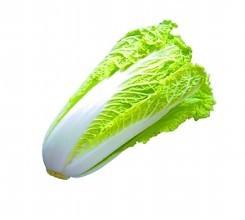 2. Chinese cabbage, also known as huangyacai, contains 100 milligrams of vitamin C per 500 grams. In Chinese folk medicine, Chinese cabbage is decocted in water with white sugar and taken
to treat whooping cough; Chinese cabbage pounded into juice and applied to the affected area treats chilblains; Chinese cabbage roots decocted in water with cilantro roots and scallion roots and taken orally treats wind-cold
colds.
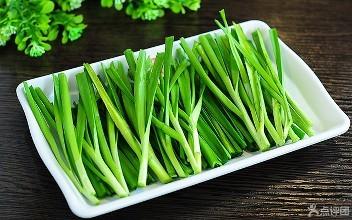 3. Chinese chives, also known as biancai or qiyangcao. Rich in carotene, protein, and sulfides, they have the effect of lowering blood lipids, preventing and
treating cardiovascular diseases. Eating Chinese chives in summer can help promote digestion and remove food stagnation, eliminate accumulation and strengthen the spleen; eating them in winter
can warm the kidneys and strengthen yang. Decocting Chinese chives in water for external washing can treat neurodermatitis; mashing them for external application can treat hives;
mashing them and extracting the juice, taking 10-20 milliliters each time, treats bleeding conditions such as blood in the stool, blood in the urine, and nosebleeds. In addition, Chinese chive seeds have the effects of tonifying
the kidneys, benefiting the liver, strengthening yang, and securing the lower jiao.
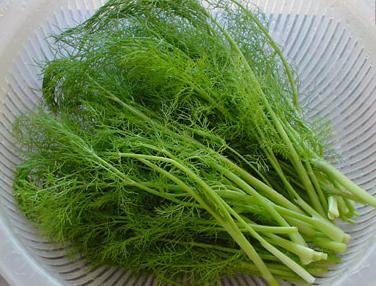 4. Fennel contains protein, fat, and volatile oil; the whole plant can be eaten, and the fruit can be used as medicine. Fennel has the effects of warming the kidneys and dispelling
cold, and harmonizing the stomach and regulating qi. Fennel seeds ground into powder, 10-15 grams taken with water, can treat incarcerated inguinal hernia; fennel stems and leaves,
half a jin simmered in soup with oil and salt for seasoning, can treat dizziness, chest tightness, and clear saliva spitting, and can also treat rheumatic joint pain.
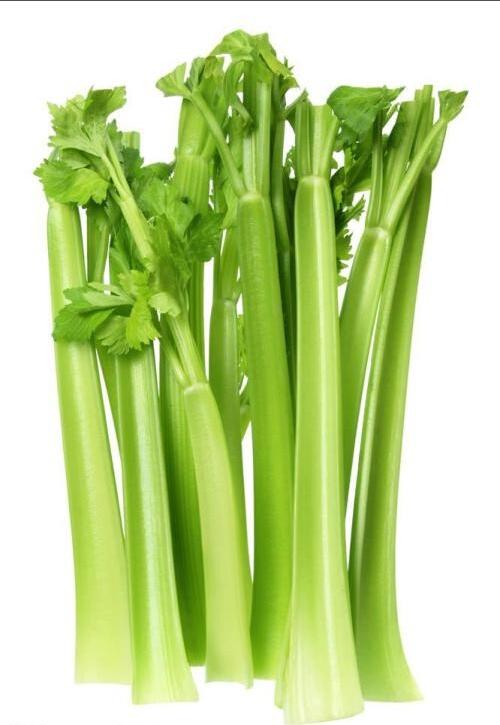 5. Celery, also known as medicinal celery or fragrant celery. Originally from Europe, it is divided into two types: Chinese celery and Western celery. Its protein, calcium, iron, and vitamin content is higher than that of ordinary vegetables, and the leaves are more nutritious than the stems. Celery is rich in various vitamins and trace elements, and has
the effects of reducing capillary permeability, increasing the resistance of small blood vessels, lowering blood pressure, reducing blood cholesterol, and calming the nerves,
making it an excellent vegetable for patients with hypertension and coronary heart disease. Drinking 40 milliliters of fresh juice in 3 divided doses daily treats hypertension and high cholesterol.
It is a good vegetable for people with high blood pressure and coronary heart disease. Drinking 40 ml of fresh juice three times a day treats high blood pressure and high cholesterol.
Alcohol.
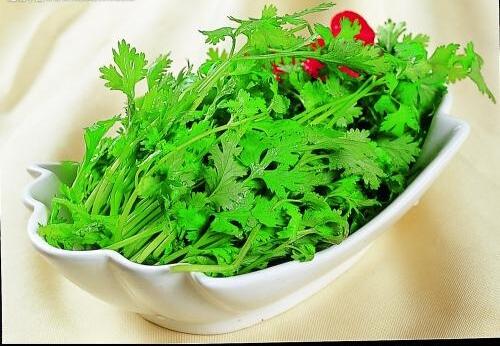 6. Cilantro, also known as yansui, is rich in protein and vitamin B, and has the effects of aromatic qi regulation and strengthening the spleen. Decocted in water and taken orally, it treats measles that will not erupt; decocted in water and used for fumigation and washing, it treats rectal prolapse; cilantro seeds ground into powder, 10 grams taken with water each time, treats chest and diaphragm distension and tightness.
For measles that do not come out properly; decoct in water and fumigate-wash to treat rectal prolapse; grind coriander seeds into powder and take 10 grams each time mixed with water to treat chest and diaphragm distension and stuffiness.
Radish, also known as laifu, is divided into different varieties such as white-skinned, green-skinned, and red-skinned. Its vitamin C content is 10 times that of pears, and it has antiviral and anti-cancer effects, with raw consumption being best. Radish juice administered orally can also treat coma from gas poisoning.
It has detoxifying and anti-cancer effects, and is best eaten raw. Administering radish juice by mouth can also treat coma from gas poisoning.
7. Potato, also known as malingshu, is relatively comprehensive in nutrition and rich in crude fiber, with effects of relieving constipation and preventing cholesterol increase.
Modern research has proven that potatoes are a very good weight-loss food, and can treat loss of appetite, fatigue and weakness, and gastric ulcers.
Mashed and juiced, taken on an empty stomach in the morning, it treats stomach heat and acid regurgitation; the fresh juice treats burns and scalds.
8. Winter melon contains various vitamins, niacin, and protein. Both the skin and seeds can be used as medicine, with effects of promoting diuresis, clearing heat, and reducing swelling.
Winter melon skin decocted in water treats measles; the flesh squeezed into juice treats food poisoning.
9. Lotus root is warm in nature and has health benefits of anti-aging, removing brown spots, and lightening the body for longevity. Fresh lotus root juice can treat excessive thirst, urinary system
infections, and persistent nosebleeds; cooked until soft and eaten, it can treat insufficient milk supply.
10. Asparagus has long been known as the "king of vegetables." Its vitamin content is very high, and it can lower blood pressure, prevent neuralgia, and treat
dermatitis, acute and chronic hepatitis, and nicotine poisoning.
11. Onion is rich in vitamins and calcium and phosphorus minerals, used for vitamin deficiency, treating non-dysenteric enteritis, and lowering
blood sugar. Chopped and placed in a cloth bag beside the pillow, sniffing it before sleep has a calming and sleep-inducing effect.
12. Carrot, also known as "golden bamboo shoot," is rich in carotene; stir-fried in oil until cooked and eaten, it can be converted into vitamin A in the human body,
improving immune function. Carrot can tonify middle qi, strengthen the stomach and aid digestion, strengthen original yang, calm the five viscera, and treat indigestion, chronic
dysentery, cough, and night blindness with good efficacy, so it is hailed as the "Oriental ginseng."