Key Technical Points for Pollution-Free Field Management of Leaf Lettuce
Generally, the seedlings recover and survive 5-6d after planting. Once the lettuce transplants have recovered from transplanting shock, they can be watered and fertilized. For head lettuce, a 1-week seedling hardening period can be implemented, and water and fertilizer management should be carried out after the hardening period ends. For every 667 sq m, 10 kg of urea can be applied with irrigation water, and the soil should be kept moist. Stop applying quick-acting nitrogen fertilizer 30d before harvest to prevent...
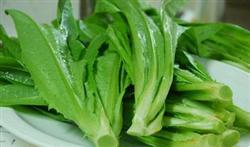
Generally, the seedlings recover and survive 5-6d after planting. Once the lettuce transplants have recovered from transplanting shock, they can be watered and fertilized. For head lettuce, a 1-week seedling hardening period can be implemented, and water and fertilizer management should be carried out after the hardening period ends. For every 667 sq m, 10 kg of urea can be applied with irrigation water, and the soil should be kept moist. Stop applying quick-acting nitrogen fertilizer 30d before harvest to prevent excessive nitrate accumulation in the leaves. In addition, for head lettuce, a 0.2% potassium dihydrogen phosphate solution should also be sprayed on the leaves at the early stage of heart leaf curling.
Lettuce is not tolerant of high temperature and high humidity. When the temperature exceeds 25 degC, ventilation should be used to lower the temperature or shade measures should be taken. At the same time, lettuce is also afraid of waterlogging, so water must not accumulate in the beds, and drainage must be carried out promptly after rain. After hot rain in summer, the garden must be irrigated promptly to prevent waterlogging.
The stems and leaves of lettuce are tender and juicy. During field operations, care must be taken not to damage the stems, leaves, or roots, otherwise they are prone to diseases. Under conditions of high temperature and high soil moisture, remove the yellow, old, and damaged leaves near the ground when there is no dew on the leaf surface, in order to prevent disease infection.