How to Prevent and Control Luffa Flower Rot? A Comprehensive Multi-Measure Prevention and Control Guide
Luffa flower rot is closely related to nutrient deficiency in the plant. Boron deficiency causes the stigma of luffa to turn black, and many vegetable growers mistake it for an infectious disease and treat it as such. Once the floral organs are damaged, there is no way to remedy it, so prevention must be done in advance. Before luffa flowering, spray with a 500-fold dilution of borax or a 1500-fold dilution of "Zhixin" boron fertilizer to prevent blackening of the stigma caused by boron deficiency....
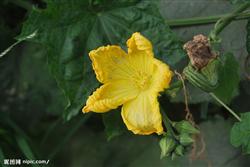
Luffa flower rot is closely related to nutrient deficiency in the plant. Boron deficiency causes the stigma of luffa to turn black, and many vegetable growers mistake it for an infectious disease and treat it as such. Once the floral organs are damaged, there is no way to remedy it, so prevention must be done in advance. Before luffa flowering, spray with a 500-fold dilution of borax or a 1500-fold dilution of "Zhixin" boron fertilizer to prevent blackening of the stigma caused by boron deficiency.
Adding fungicides to the flower-dipping solution for prevention. Adding iprodione, fludioxonil, agricultural streptomycin sulfate and other agents to the flower-dipping solution can effectively prevent pathogens from infecting the floral organs.
Fumigation to prevent flower rot. 3~4 days after flower dipping, fumigate the greenhouse with 300~400 grams of 10% procymidone smoke agent per mu. Note that the fumigation time must not exceed 8 hours to avoid phytotoxicity.
Rational use of pesticides. After flower rot occurs, apply pesticides according to the cause. For flower rot caused by gray mold and sclerotinia rot, pesticides such as procymidone, vinclozolin, and fludioxonil can be used for control; for flower rot caused by cottony leak, pesticides such as metalaxyl-mancozeb and propamocarb hydrochloride can be used for control; for flower rot caused by bacterial diseases, pesticides such as kasugamycin, zhongshengmycin, and copper-based formulations can be used for control. The petal tissue of luffa is relatively thin, so the pesticide concentration must not be too high, to avoid damaging the floral organs.