Luffa leaves can treat livestock diseases, and the clever methods must be mastered
I. Sowing and seedling raising Before sowing luffa, treat the seeds with water at 55-60°C for 15 minutes, then soak them in water at 25°C for 4 hours, rinse off the mucus on the seed coat surface, then wrap the seeds in wet gauze and place them in an incubator to sprout. Select well-sprouted seeds and sow 1-2 seeds per pot, generally using about 500 grams of seed per mu. Before emergence...
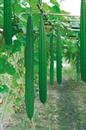 Clever use of luffa leaves to treat livestock diseases In rural areas, farmers often grow luffa in their courtyards, which both beautifies the courtyard environment and allows the luffa to be used as a vegetable, but quite a number of growers do not know the medicinal value of luffa leaves in treating livestock diseases.
I. Plugging with luffa leaves to treat fistula Fistula is commonly seen in rural veterinary clinics. This condition is often difficult to treat and does not heal for a long time, seriously affecting the health and work capacity of livestock. For the treatment of this disease, most adopt surgical removal, but due to limited conditions in rural areas, surgical treatment has certain difficulties, and when performing surgery for this condition, it often causes heavy bleeding. The method of plugging with luffa leaves can make up for the above shortcomings. The procedure is as follows: first wash the luffa leaves with water, remove the hard stems, chop them and mash them into a paste. First carry out routine disinfection of the fistula opening, and rinse the lumen clean with normal saline. Then insert the luffa leaf paste into the tract so that the lumen is filled, press cotton tightly against the opening, and secure it with a bandage or adhesive tape. After two days, remove the cotton to allow the plugging material to drain out. After 10-15 days, fresh granulation tissue can grow and heal with a scab.
II. Luffa leaves for treating swine eczema If pigs suffer from eczema, it generally occurs more often in summer and autumn. This disease manifests as redness, swelling and inflammation of the skin in the early stage, followed by flat papules, and some form small blisters or pustules. Because of severe itching, the pigs rub hard, causing hair loss or bleeding on the skin, and in severe cases causing loss of appetite, poor spirits and emaciation of the pig body, etc. The method of treatment with luffa leaves is to mash the luffa leaves and apply their juice to the affected areas until the local skin turns red. Wipe once every two days, and with 2-3 consecutive times like this, it can be cured.