What are the causes of loofah flower rot? Detailed explanation of prevention and control methods
Preparation ratio of flower-dipping solution: The flower-dipping agent generally uses zuogualing, naphthaleneacetic acid (NAA) and 2,4-D as the main agents, plus an appropriate amount of nutrient solution and a fungicide for controlling gray mold for flower dipping, and the effect is very ideal. Smoke fumigation method for controlling flower rot: Smoke fumigation is one method for controlling loofah flower rot. Usually 3-4 days after flower dipping is the...
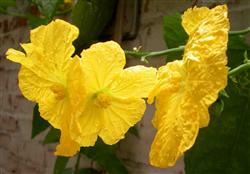
Preparation ratio of flower-dipping solution: The flower-dipping agent generally uses zuogualing, naphthaleneacetic acid (NAA) and 2,4-D as the main agents, plus an appropriate amount of nutrient solution and a fungicide for controlling gray mold for flower dipping, and the effect is very ideal.
Smoke fumigation method for controlling flower rot: Smoke fumigation is one method for controlling loofah flower rot. Usually 3-4 days after flower dipping is the critical period for flower rot to occur, and it is also the best time for smoke fumigation to control flower rot. Prochloraz smoke agents and chlorothalonil smoke agents can be used alternately for control, and dimethachlon can also be used for control, but the dosage of dimethachlon should not be too large, so as to avoid phytotoxicity and affect the development of the plant and fruit. Generally, 200 grams of dimethachlon per 667 sq m is sufficient, and the fumigation time is best kept within 8 hours.
Spraying chemicals to control loofah flower rot: Blackening of the style is mostly caused by boron deficiency, and it should be solved by timely spraying 600-fold borax or 1500-fold Sulubor before loofah flowering. Watery rot with a foul odor should be bacterial soft rot, and it can be controlled by spraying DT at 500-fold mixed with streptomycin at 3000-fold. Dry flower edges with small black spots should be gummy stem blight, and it can be controlled by spraying chlorothalonil at 600-fold and Baikebai at 1200-fold.
Preventing phytotoxicity from damaging flowers: Loofah flowers are delicate, and improper spraying can easily cause phytotoxicity that damages the flowers, producing small transparent white spots and reducing the selling price of loofah. When spraying during the flowering period, care must be taken to choose safe agents, and the spraying concentration should be used according to the instructions. Do not arbitrarily increase the concentration of the chemicals, so as to avoid phytotoxicity.