Interplanting onions in cotton rows: a multi-benefit planting method
Yellow onion seeds are tiny, so relatively speaking, the requirements for seedbed quality, sowing, and post-sowing management are all quite strict. Therefore, the relevant issues that must be noted when sowing and raising yellow onion seedlings are described below: 1. Select and reserve the seedbed. The seedbed should be chosen with high, well-drained terrain, fertile soil, convenient irrigation and drainage, and a site where onions have not been grown in the past 1-2 years...
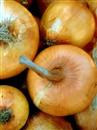 Interplanting cotton with onions is one of the best models. This model has many advantages. First, cotton and onions can achieve two periods of symbiosis, that is, symbiosis with cotton in the harvest period in autumn, and symbiosis with cotton seedlings in spring, with no symbiotic conflict in either interplanting. Second, interplanting cotton with onions can raise the multiple cropping index; onions can be interplanted in the wide rows of cotton, and other vegetables can be interplanted in the narrow rows. Third, onions are easy to transport and store, have a relatively long dormancy period, and do not pose marketing worries, so they can help balance market supply and demand. Fourth, it can extend the effective growth period of cotton and ensure that autumn bolls and late autumn bolls mature on schedule. Fifth, onions have a pungent flavor that can repel damage from cotton aphids and red spider mites, reducing pesticide costs and decreasing public nuisance pollution. Sixth, it can increase the benefits of double interplanting, increasing income by 300-500 yuan per mu of cotton field.
In order to better give play to the advantages of interplanting cotton with onions, the following points should mainly be mastered in interplanting techniques.
Push the plants into rows and prepare the land finely: when the harvest of the large number of midsummer bolls and early autumn bolls of cotton is nearing completion, push and press the cotton plants toward the field ditch edge to expose the wide rows, which is around mid-October. Then plow the wide rows with a plow. Since onions have fibrous roots and the roots are not deep, in order to facilitate the absorption of fertilizer and water, first, cotton fields with medium or above fertility and loose soil should be selected for interplanting; second, the land should be finely prepared, with the soil finely broken and the top loose while the lower layer is firm; third, during land preparation, apply sufficient decomposed organic ash and slag fertilizer, averaging 2500 kg per mu, and potassium fertilizer 7.5-10 kg; fertilization should follow the principle of "steady before winter, heavy after spring"; fourth, while preparing the land, clean the cotton field ditches and beds to prevent soil clods from clogging and causing waterlogging. At the same time, pay attention to preventing continuous onion cropping.
Sow onions at the proper time and interplant promptly: onions are sown and raised as seedlings from early September to early October, using early-maturing red-skinned varieties among medium-maturing types. In early November, they can be transplanted in the wide rows of cotton. The density of onions per mu is 15,000-20,000 plants. The symbiotic period of onions and cotton in this stage is 30-50 days. The average yield per mu is 750-1000 kg of onions and 80-90 kg of lint cotton. The benefits are considerable compared with cotton-wheat double cropping.
Multiple uses, double interplanting of cotton and vegetables: in addition to interplanting onions in the wide rows of cotton, radishes, spinach, and pak choi can also be interplanted in the narrow rows of cotton. Interplanting vegetables in the narrow rows can increase income by an average of 100-200 yuan per mu. After spring, onions are then used as the preceding crop, and cotton is interplanted in mid-to-late April. This can both promote early and rapid growth of cotton and reduce cotton seedling-stage pests. Because onions have a pungent flavor and can repel insects, cotton basically suffers no damage from aphids or red spider mites during the seedling stage. The symbiotic period of cotton and onions in this stage is 40-50 days, with no symbiotic conflict.