Five principles to follow when pruning leaves from eggplant
First, consider the variety when pruning leaves. For eggplant varieties with strong branching ability and lush foliage, more leaves can be pruned; for eggplant varieties with poor branching ability and sparse foliage, fewer leaves should be pruned or none at all. Second, consider plant vigor when pruning leaves. Plants with excessive density and lush growth can have more leaves pruned to keep the foliage sparse and even; plants grown at wider spacing with good ventilation and light penetration...
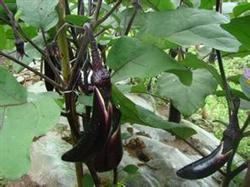
First, consider the variety when pruning leaves. For eggplant varieties with strong branching ability and lush foliage, more leaves can be pruned; for eggplant varieties with poor branching ability and sparse foliage, fewer leaves should be pruned or none at all.
Second, consider plant vigor when pruning leaves. Plants with excessive density and lush growth can have more leaves pruned to keep the foliage sparse and even; plants grown at wider spacing with good ventilation and light penetration can have fewer leaves pruned or none at all.
Third, consider the leaves when pruning. When pruning leaves from eggplant, do the following: prune only the lower basal leaves near the stem base and keep the middle and upper leaves; prune leaves damaged by pests and diseases and keep normally growing leaves; prune withered, yellowed and rotten leaves and keep healthy green leaves.
Fourth, consider the weather when pruning leaves. When the weather is dry with little rain, prune fewer leaves or none at all; in rainy regions and during rainy seasons, more leaves should be pruned.
Fifth, consider soil fertility when pruning leaves. Where the soil is fertile or a large amount of fertilizer has been applied, more leaves should be pruned; where the soil is poor or insufficient fertilizer has been applied, fewer leaves should be pruned.