Pruning cowpeas is equally important; do not neglect this step when planting
Many vegetable growers plant cowpeas, but most of them follow their previous experience of growing open-field cowpeas and rarely carry out pruning, which leads to messy branches that shade each other, reduced flower bud differentiation on side branches, a low rate of flowering and pod setting, and lower yields in the middle and late stages. In hot seasons, the "summer dormancy" is severe and profits decline. So, how should vegetable growers...
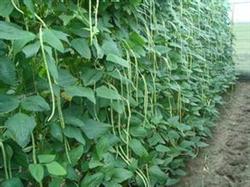
Many vegetable growers plant cowpeas, but most of them follow their previous experience of growing open-field cowpeas and rarely carry out pruning, which leads to messy branches that shade each other, reduced flower bud differentiation on side branches, a low rate of flowering and pod setting, and lower yields in the middle and late stages. In hot seasons, the "summer dormancy" is severe and profits decline. So how should vegetable growers prune cowpeas?
First, side buds from the base of the cowpea up to 50 cm above the ground should be removed promptly. Because cowpea pods are long, pods growing at the bottom of the plant will touch the ground, making them prone to disease infection or being bitten by underground pests, which affects cowpea growth. At the same time, the lower side buds will also compete with the main vine for nutrients, affecting the vigor of the main vine. When the lower side buds grow to 2-3 cm, they should be removed promptly to improve ventilation and light penetration at the base of the plant, promote the thickness and strength of the main vine, and advance flowering and pod setting.
Second, during the pod-setting process of cowpeas, pay attention to pinching the group tips and topping the side branches produced on the main vine. When flower buds and leaf buds sprout at the same time in the leaf axils of the middle and upper parts of the main vine, the side branches sprouting from the leaf buds should be removed promptly; when the leaf axils only sprout leaf buds and no flower buds, the side branches can be topped when they grow to 2 leaves, which can also promote the formation of a spike of inflorescences on the side branches, thereby increasing the number of flower buds and raising the pod-setting rate.
Third, topping the main vine. When the main vine grows above the wire, it should be topped promptly. This helps control plant growth, increase the number of side branches, promote flower bud differentiation on side branches, and increase the number of pods set. The above is for reference.