Why do cilantro seedlings grow unevenly
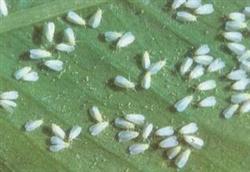
Description of characteristics and control methods. Also called the whitefly. Adults and nymphs suck plant sap, causing leaves to fade, turn yellow and wilt, and they can secrete large amounts of honeydew, contaminating fruit and leaves. Native to the southwestern United States, it later spread to Europe and is now widespread throughout the world. In the north, it can produce more than 10 generations a year in greenhouses, ...
 In a cilantro field in Beiguanzhuang Village, Luocheng Subdistrict, it was seen that among the cilantro beds running north-south, about 50-60 m long, the seedlings were not growing uniformly.
Among them, the cilantro plants in the northern 15-20 m were somewhat shorter and spindly, and the lower leaves were turning yellow; while the southern half grew vigorously and the stems and leaves looked very good, appearing very "spirited."
According to Master Wang, the difference in cilantro growth was entirely caused by continuous cropping.
Cilantro is afraid of continuous cropping, which fellow vegetable growers all know clearly. That is to say, in a plot where cilantro has been grown, as long as it is planted again the next year, cilantro will show severe plant death and poor growth, and this is what is called continuous cropping. But what is strange is that if after harvesting this crop of cilantro the next crop is planted immediately afterward, the effect of continuous cropping is not great.
"I previously grew cilantro at the north end of this plot. I thought it had been five or six years from then until now, and also because if I did not plant cilantro, this plot, which was not large to begin with, would look even more fragmented, so I toughed it out and planted cilantro. I did not expect this 'ten-year pact' (in a plot where cilantro has been grown, replanting within ten years causes severe continuous cropping damage) to still matter. Right now the difference does not look very big, but as the plants grow, the difference will become more and more obvious," Master Wang said.
At this time, the reporter also pulled up several cilantro plants to observe their root systems, and careful observation showed that the cilantro roots in the continuously cropped plot were weak, appearing short and small, while the cilantro roots in the plot not previously planted with cilantro were thick and long, robust and strong.
Because it was heard that vegetable growers planting cilantro in arched sheds who apply biological bacterial fertilizer can reduce continuous cropping damage, the reporter also suggested that Master Wang buy some biological bacterial fertilizer and apply it by flushing to reduce the damage caused by continuous cropping and promote high cilantro yields; in addition, during cilantro cultivation, some foliar fertilizer should be sprayed to promote leaf growth and give a good color, which can also improve its market appearance and increase economic income.