How to manage greenhouse tomatoes after frost damage? Practical technical points
In greenhouse tomato cultivation, abnormal weather changes often cause frost damage of varying degrees. In lightly frozen plants, growth stalls, the plants turn yellow, and some, after resuming growth, become short with small leaves and short internodes, showing the flower-topped phenomenon, with low yield and reduced quality. For severely frozen plants, if remedial measures are not taken in time, they cannot resume growth and will wither...
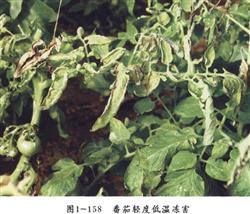
In greenhouse tomato cultivation, abnormal weather changes often cause frost damage of varying degrees. In lightly frozen plants, growth stalls, the plants turn yellow, and some, after resuming growth, become short with small leaves and short internodes, showing the flower-topped phenomenon, with low yield and reduced quality. For severely frozen plants, if remedial measures are not taken in time, they cannot resume growth and will wither and die. The following remedial measures can be taken for crops in the greenhouse that have suffered frost damage:
1. Irrigate to mitigate the temperature drop.
After greenhouse tomatoes suffer frost damage, irrigating in time can increase the heat capacity of the greenhouse soil and prevent the ground temperature from continuing to drop. After irrigation, it can also stabilize the air temperature at the surface layer, keeping the temperature steady and allowing the fluid in the frozen tissues to return to normal growth.
2. Ventilate to lower the temperature.
After greenhouse tomatoes suffer frost damage, do not immediately close the greenhouse to raise the temperature; instead, ventilate to lower the temperature so that the temperature inside the greenhouse rises slowly, giving the frozen tissues enough time to absorb the water lost due to freezing, thereby promoting the revival of the frozen tissues and reducing tissue death.
3. Artificial spraying of water.
Use a sprayer to spray water inside the greenhouse to increase the air humidity in the greenhouse, thereby stabilizing the greenhouse temperature, inhibiting dehydration of the frozen tissues, and promoting absorption by the frozen tissues.
4. Shade and avoid light.
Set up shading materials on the greenhouse to prevent direct sunlight, which would cause the tomato tissues to dehydrate and shrink, losing their vitality.
5. Topdressing and spraying pesticides.
After the frozen tomatoes have recovered from transplanting shock, apply quick-acting fertilizer in time, cut off the dead tissues, and allow the tomatoes to grow quickly. At the same time, strengthen management and apply pesticides in time to prevent and control diseases and pests.