Beware of excess nitrogen and insufficient potassium when planting zucchini in spring
Guard against too much nitrogen and too little potassium. Zucchini's demand for nitrogen, phosphorus and potassium is greatest for potassium, followed by nitrogen, and least for phosphorus. Spring temperatures are relatively high, and if there is too much nitrogen fertilizer, zucchini can easily grow leggy. Therefore, when topdressing in spring, be sure to apply less nitrogen fertilizer and focus on high-potassium compound fertilizer. Guard against high temperature and drought. Zucchini is not tolerant of high temperatures, and high temperature...
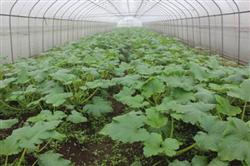
Guard against too much nitrogen and too little potassium. Zucchini's demand for nitrogen, phosphorus and potassium is greatest for potassium, followed by nitrogen, and least for phosphorus. Spring temperatures are relatively high, and if there is too much nitrogen fertilizer, zucchini can easily grow leggy. Therefore, when topdressing in spring, be sure to apply less nitrogen fertilizer and focus on high-potassium compound fertilizer.
Guard against high temperature and drought. Zucchini is not tolerant of high temperatures, and high temperature and drought will not only reduce yield but also induce viral disease. Spring temperatures are relatively high, and if ventilation and watering are not timely, it is very easy to cause high temperature and drought inside the greenhouse, leading to the occurrence of viral disease. In addition, when the temperature inside the greenhouse is high, zucchini tends to grow leggy, causing flower and fruit drop. Therefore, ventilation should be strengthened in spring and watering should be timely to avoid forming a high-temperature, drought environment inside the greenhouse. Under normal circumstances, the daytime temperature inside the greenhouse should be kept at 20°C-24°C and the nighttime temperature at 12°C-14°C. Water promptly during drought, and cultivate and loosen the soil at the appropriate time after watering.
Prevent flower and fruit drop. Artificial supplementary pollination is carried out from 6 to 8 a.m. every day: pick off a male flower, expose the stamen, and dab it a few times onto the stigma of the female flower. For auxin treatment, you can use a 2,4-D solution containing 20-25 mg per liter, or a fruit-setting hormone solution containing 30-50 mg per liter, sprayed or dipped onto female flowers that have just opened, which can prevent flower and fruit drop and increase the fruit-setting rate.
Prevent too many fruits from setting. During the peak fruiting period, prevent too many fruits from setting and dragging down the vine. Generally, 2 leaves per 1 fruit is the suitable fruit load for thinning, and in the later stage, remove old leaves and diseased leaves in time to promote ventilation and light penetration and increase yield.