What to Do About Flower and Fruit Drop in Zucchini? A Detailed Guide to Prevention Methods
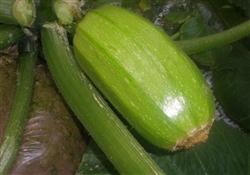
When zucchini fruits grow short and thick, it seriously affects their quality and reduces growers' income. Experts suggest that in winter and spring, short and thick zucchini fruits should be prevented early. In winter and spring, the air temperature and soil temperature in greenhouses are relatively low, light is weak, the photosynthetic efficiency of zucchini is low, and the plant's nutrient accumulation is limited. In addition to this...
 Strictly control the temperature. During the flowering and fruiting period of zucchini, keep the daytime temperature inside the greenhouse at around 26°C, and not lower than 15°C at night.
Remove and cover the straw curtains in a timely manner. Remove and cover the straw curtains in a timely manner to extend the lighting time as much as possible and increase light intensity.
Strengthen water and fertilizer management. If the plant leaves are dark green and thick but the plant flowers without setting fruit, water and fertilizer must be strictly controlled, and a larger clod of soil should be used to press down the vine tip to inhibit excessive vegetative growth. If the plant is weak, with yellow and thin leaves, water and fertilizer must be increased, and the first female flower should be removed to promote vegetative growth.
Prevent and control pests and diseases in a timely manner. Prevent and control pests and diseases in a timely manner, strengthen ventilation, reduce humidity inside the greenhouse, apply pesticides regularly, remove fallen petals and diseased or old leaves, and smear a layer of carbendazim powder at the point where the petals attach to the top of the zucchini fruit. This can prevent pathogens from invading the fruit through this spot and causing it to drop.
Supplement boron fertilizer in a timely manner. When zucchini first shows flower buds, spray the leaves with chlorophyll or Pen Shibao once about every 10 days to prevent poor flower and fruit development and flower and fruit drop caused by a deficiency of boron and other trace elements.
Prevent poor fertilization. At around 10 a.m., select female flowers that are about to open, and dip the flowers in a mixed solution of 2,4-D at a concentration of 20×10-6 and gibberellin at a concentration of 30×10-6 to promote fruit expansion and prevent poor fertilization.