How to prevent and control waterlogging damage in peanuts? Detailed explanation of key technical points
Peanut waterlogging damage occurs for two reasons: first, low-lying terrain, heavy clay soil, and poor drainage; second, during seasons with long rainfall periods or excessive rainfall, surface water and groundwater are in excess and cannot be drained away in time. From the perspective of the water requirements for peanut growth and development, the suitable soil relative humidity at the seedling stage of peanuts is 50%-60%. When the soil relative humidity is higher than 70% or there is standing water...
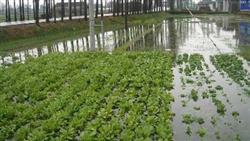
Peanut waterlogging damage occurs for two reasons: first, low-lying terrain, heavy clay soil, and poor drainage; second, during seasons with long rainfall periods or excessive rainfall, surface water and groundwater are in excess and cannot be drained away in time. From the perspective of the water requirement characteristics of peanut growth and development, the suitable soil relative humidity at the peanut seedling stage is 50%-60%. When the soil relative humidity is higher than 70% or there is standing water, the soil lacks air, and the respiration of the peanut root system and the absorption of nutrients are hindered, causing poor root development, thin and yellowing aboveground parts, the formation of leggy seedlings, high flowering node positions, and a low effective pod-setting rate. The suitable soil relative humidity at the peanut flowering and pegging stage is 60%-75%. When the soil relative humidity is higher than 70% or there is standing water, it is unfavorable for peanut pod development, can cause the pod shell to discolor, reduce oil content, and even cause pods to rot and deteriorate, losing economic value.
Peanuts prefer drought and fear waterlogging, and waterlogging has a great impact on peanut growth and development. After peanuts suffer from waterlogging, measures should be taken promptly to strengthen field management in order to reduce damage and preserve yield. The specific practices are:
1. Drain field water promptly. According to the water accumulation conditions and terrain, use drainage machinery and dig drainage ditches and other methods to drain the accumulated water in the field and the stagnant water in the plow layer as quickly as possible, minimizing the time of water accumulation in the field.
2. Break the film to disperse moisture and reduce rotten pods. If the soil moisture content is too high, the film should be broken promptly to disperse moisture and keep the soil well aerated, so as to reduce the occurrence of rotten pods.
3. Apply quick-acting fertilizer promptly. After peanuts are flooded, soil nutrients are lost in large amounts, and the absorption capacity of the root system is weakened. Timely topdressing is very beneficial for plant recovery and increasing yield. Before the plants recover growth, mix fungicide Haolike + 0.2%-0.3% Ciba potassium dihydrogen phosphate solution + 0.5%-1% urea solution and spray on the leaves 2-3 times to reduce waterlogging losses.
4. Prevent and control pests and diseases. After waterlogging, the field temperature is high and humidity is high, and peanut growth is weakened and stress resistance is reduced, making it suitable for the occurrence of various pests and diseases. Investigation and control should be carried out promptly to prevent spread. The main targets for control are peanut leaf spot and cotton bollworm.