What to Do About Rice Seedling Rot? Detailed Prevention Measures
Rice seedling rot is the general term for seed rot, sprout rot and seedling death occurring at the seedling stage. Rice seedling rot can be divided into two categories: physiological and infectious. Physiological seedling rot is mainly caused by low temperatures and mistakes or poor management practices in the seedling nursery; infectious seedling rot is caused by pathogen infection, and the main diseases include rice cottony rot, rice rot disease and rice...
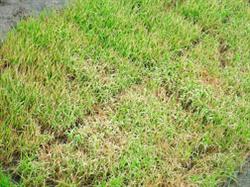
Rice seedling rot is the general term for seed rot, sprout rot and seedling death occurring at the seedling stage. Rice seedling rot can be divided into two categories: physiological and infectious. Physiological seedling rot is mainly caused by low temperatures and mistakes or poor management practices in the seedling nursery; infectious seedling rot is caused by pathogen infection, and the main diseases include rice cottony rot, rice putrefactive disease and rice damping-off.
According to differences in symptoms, infectious seedling rot can be divided into the green wilt type and the yellow wilt type. In the green wilt type, the heart leaf suddenly wilts and rolls into a tube, then the lower leaves quickly lose water, wilt and roll into tubes, until the whole plant turns a dirty green and dies; the root system of diseased plants is dark, with sparse root hairs. In the yellow wilt type, death starts from the lower leaves, which gradually turn yellow from the leaf tip toward the leaf base, spreading upward to the heart leaf; finally the base of the plant turns brown and softens, until the whole plant turns yellowish brown and dies. The root system of diseased plants is dark, root hairs become sparse, and the roots are very easy to pull up. The control measures are:
1. Sow at the proper time. Rice sowing requires the daily average temperature to be stable above 12°C; below 12°C, or low temperatures lasting more than 4 days, easily cause seedling rot. Within the above temperature range, pay attention to local weather forecasts, grasp the end of a cold spell and the start of warming, and sow on a sunny day; after sowing, cover well, or use other heat-preserving and cold-protection measures. In this way, as long as there are 3-5 sunny days after sowing, once the young roots have taken hold, they will not be easily damaged when the next cold wave comes.
2. Greenhouse and film seedling raising. Two-stage greenhouse seedling raising is a major technical reform in rice production. It avoids seedling rot and generally raises the seedling survival rate by 10% compared with open-field seedling raising.
3. Choose and prepare the seedling field well. The seedling field should be arranged on a plot with medium fertility, shelter from wind and good sun exposure, a slightly higher position, sufficient sunlight, and convenient irrigation and drainage. After plowing, prepare the land carefully, paying special attention to leveling the bed surface, so as to avoid water accumulation in low spots and seedling rot.
4. Fertilize rationally. The fertilization principle is sufficient base fertilizer, and topdressing applied several times, first light and then concentrated. Human excrement and urine used as base fertilizer must first be fermented and decomposed, and the proportion of phosphorus and potassium fertilizers should be increased. Do not use large amounts of water and fertilizer on weak seedlings; first apply an appropriate amount of dilute manure water, and wait until the seedlings grow normally and begin tillering before applying more fertilizer. For every 667 sq m of seedling field, 15-20 kg of plant ash can be applied, which not only increases potassium fertilizer but also raises soil temperature, making the seedlings grow robustly and enhancing disease resistance.
5. Use water scientifically. At the sprouting stage, the main goal is rooting and standing, keeping the bed surface moist without flooding, and it is not suitable to flood too early, so as to ensure oxygen demand and prevent excessive elongation of the coleoptile. When a cold wave arrives, irrigate with deep water. On sunny days during the two- and three-leaf stages, deepen the water layer accordingly without submerging the tips. After the three-leaf stage, establish a shallow water layer, and drain after long rain followed by clear weather.
6. Chemical control. If infectious seedling rot is found, the main measure is applying fungicides. Seed soaking disinfection with 1% lime water can be used; when making seedling beds, mix 70% dexon powder into river mud at 1.25 kg per 667 sq m to control damping-off; before rice sowing, spray with 50% amobam emulsifiable concentrate at 700-800 times dilution to prevent early seedling death, and the seedling survival rate can reach 90%-99%; when applying chemicals at the seedling stage, if cottony rot occurs, change to clean water or shallow irrigation, or drain and dry the field, and spray 60 kg of copper sulfate 1000 times dilution per 667 sq m; alternatively, at the water inlet, place 0.1-0.2 kg of copper sulfate per 667 sq m, so that it slowly dissolves and flows into the seedling field with the water. When damping-off occurs in wet seedling fields or dry seedling fields, irrigate in the morning and evening each day for rescue, and at the one-heart-one-leaf stage spray with 70% dexon original powder at 1000 times dilution, which can stop the spread of seedling death.