Detailed Explanation of Key Points for Spring Cabbage Cultivation Techniques
Cabbage has the characteristics of low input, labor-saving, effort-saving, and high yield, and is widely cultivated in the plain areas of our province. Dingzhou City, Baoding, has a perennial planting area of more than 30,000 mu of early spring cold shed cabbage and open-field cabbage. Right now, the season for raising early spring cabbage seedlings has arrived again. To help everyone do a good job in seedling raising and lay the foundation for a bumper harvest this spring...
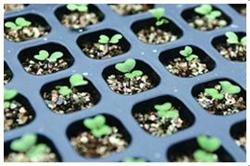 Sowing and raising seedlings at the right time is the main measure to overcome premature bolting. Spring cabbage in the Yangtze River Basin should be sown after late October so that it overwinters as smaller seedlings. If sown in September, most will bolt prematurely the following spring and fail to form heads. However, if sown too late, the seedlings will be too small when overwintering; although they will not bolt prematurely, the harvest period will be delayed and the yield will be lower. In addition, cold beds or sun-facing seedbeds can be used for raising seedlings, which will not delay the harvest period and will also give a high yield.
In the Yangtze River Basin, transplanting should preferably be done from late November to early December. Control seedling growth, combining fertilizer and water control with promotion. Before transplanting, apply slow-release barnyard manure or compost as base fertilizer, and do not apply additional fertilizer before overwintering; this is also the key to preventing premature bolting. The growing period of spring cabbage is mainly from early to mid-March to early May. During this period it grows rapidly, and its nutrient needs must be fully met. Generally, the yield per 667 sq m is 2,000-3,000 kg.