Control of corn smut disease cannot be ignored
The symptoms of this disease can occur on all aboveground parts of the corn throughout the entire growth period, and are especially obvious at the tasseling stage. Tumor-like growths of varying sizes develop on the affected parts. Initially, the tumors are covered with a white membrane, which later turns gray and, after drying and cracking, releases black powdery material, namely the spores of the pathogen. On the leaves, bean-sized tumor-like masses are easily produced, while on the tassel...
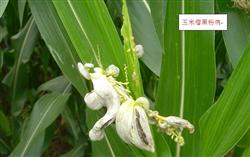
The symptoms of this disease can occur on all aboveground parts of the corn throughout the entire growth period, and are especially obvious at the tasseling stage. Tumor-like growths of varying sizes develop on the affected parts. Initially, the tumors are covered with a white membrane, which later turns gray and, after drying and cracking, releases black powdery material, namely the spores of the pathogen. On the leaves, bean-sized tumor-like masses are easily produced; on the tassel, sac-like galls are produced; and on other parts, large tumor-like growths are formed.
The pathogen is Ustilago maydis, a fungus of the subphylum Basidiomycotina. The chlamydospores are oval or spherical, thick-walled, tea-brown, with fine spiny protrusions on the surface, measuring 8-13 x 3-13 micrometers. Only after the binucleate hyphae combine inside and outside the corn plant can they develop rapidly in the host tissue, stimulate tumor formation, and produce chlamydospores.
The transmission route and conditions for disease occurrence are as follows: chlamydospores overwinter in soil or manure, or remain in the soil with diseased residues and seeds. After overwintering, the chlamydospores first produce basidiospores or secondary basidiospores, which are spread by airflow, rain, and insects, and invade through the epidermis or wounds of young host tissues, stimulating host cells to enlarge. After 2-3 weeks, tumor-like growths form, and after 20-24 days, chlamydospores are produced inside the galls. The galls rupture and release large amounts of black powder, causing secondary infection. Multiple infections can occur in one year. High temperature and drought, or excessive nitrogen fertilizer, make the disease more likely to occur. The optimum temperature for invasion is 20-35°C; the optimum temperature for chlamydospore germination is 26-34°C, with a maximum of 36-38°C and a minimum of 8°C; the optimum temperature for basidiospore germination is 20-26°C, with a maximum of 40°C.
The main control methods are: (1) Sweet corn is susceptible to the disease, so special attention should be paid to selecting disease-resistant varieties. (2) Implement a 2-3 year crop rotation in heavily diseased fields. (3) After disease galls appear in the field, remove them promptly and bury them deeply, and carry out timely deep plowing to reduce the primary infection source. (4) Seed treatment: mix 1000 milliliters of 20% triadimefon emulsifiable concentrate with 25 kg of seeds, or mix 1 gram of 2% diniconazole wettable powder with 20 kg of seeds, or dress seeds with 0.2% copper sulfate, or soak seeds with 0.1% antibacterial agent 401, which can reduce the damage.