What causes empty and shriveled soybean seeds
1. Differences between varieties. Mid-to-late-maturing varieties are affected more severely, while early-to-mid-maturing varieties are affected less severely. 2. Drought and waterlogging disasters during the growth period are the key factors causing a high rate of shriveled seeds. The optimal rainfall during the flowering and podding stage of soybeans is 180 mm. During the flowering and podding stage of soybeans, waterlogging is more harmful than drought, especially waterlogging disasters, and the rates of empty and shriveled seeds,...
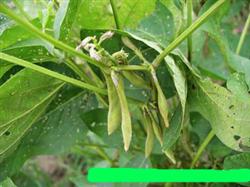
1. Differences between varieties. Mid-to-late-maturing varieties are affected more severely, while early-to-mid-maturing varieties are affected less severely.
2. Drought and waterlogging disasters during the growth period are the key factors causing a high rate of shriveled seeds. The optimal rainfall during the flowering and podding stage of soybeans is 180 mm. During the flowering and podding stage of soybeans, waterlogging is more harmful than drought, especially waterlogging disasters, and the rates of empty and shriveled seeds and lodging are both high. In addition, if drought occurs at the sowing stage, sowing is delayed, which postpones the seedling emergence stage, reduces energy accumulation during the soybean growth period, and can also cause empty and shriveled soybean seeds. If low temperatures occur later, they affect the soybean grain-filling rate and can likewise cause a relatively high rate of empty and shriveled seeds.
3. Boron and molybdenum deficiency in the soil is another main cause of a high rate of empty and shriveled seeds. Boron and molybdenum are essential trace elements for soybean development and are closely related to pod formation. If the content of boron and molybdenum in the soil plough layer is low and no additional fertilizer is applied when planting soybeans, the rate of empty and shriveled soybean seeds will inevitably increase. In particular, when soybeans are planted continuously on the same land, the rate of empty and shriveled seeds per plant increases year by year. At present, there are also phenomena such as shallow fertilization depth, seed fertilizer in the same bed and at the same position, and low fertilizer utilization efficiency, which affect the improvement of soybean yield.