What are the main causes of flower and pod drop in soybeans?
Soybean damping-off disease is commonly known as "dead seedling", "sudden collapse" or "black root disease". In years when the disease is severe, the rate of dead plants in lightly affected fields is 5%-10%, in heavily affected fields it reaches over 30%, and in some individual plots all plants die, resulting in total crop loss. Field symptoms: soybean damping-off disease occurs only at the seedling stage, affecting the main roots of seedlings and young plants and...
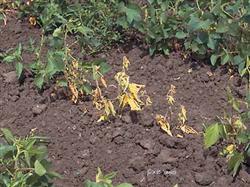 1. Unreasonable nitrogen fertilizer application. An appropriate amount of nitrogen fertilizer can promote the development of soybean rhizobia and increase the nitrogen fixation capacity per plant, which is beneficial for increasing soybean yield. If nitrogen fertilizer is blindly applied in excessive amounts, it not only inhibits nitrogen fixation but also often causes excessive soybean nutrition, leading to spindly growth, canopy closure and lodging, resulting in flower and pod drop.
2. Excessive density. If the density is too high, plants become crowded, individual development is hindered, growth is weak and slender, and therefore flower and pod drop is severe.
3. Improper soil moisture. When soil moisture is high and aeration is poor, soybean leaves curl and turn yellow, and soybean roots rot, causing massive flower and pod drop; if water is insufficient, it hinders the absorption of carbon dioxide, affects the normal progress of photosynthesis, causes plants to wilt and stop growing, and flowers and pods drop accordingly.
4. Damage from diseases and pests. Damage from purple seed stain and soybean pod borer during the flowering and podding stage can also cause flower and pod drop.