Detailed Explanation of Key Techniques for High-Yield Mung Bean Cultivation
Mung bean is a crop with high protein, low fat, moderate starch, and both medicinal and edible uses. It is an ideal health food for people and has high economic value. The most notable features of mung bean cultivation are a long suitable sowing period, a short growth period, drought tolerance, poor-soil tolerance, strong adaptability, a wide cultivation range, and nitrogen-fixing ability. It is a good preceding crop, but continuous cropping is not advisable...
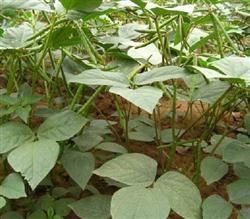
Mung bean is a crop with high protein, low fat, moderate starch, and both medicinal and edible uses. It is an ideal health food for people and has high economic value. The most notable features of mung bean cultivation are a long suitable sowing period, a short growth period, drought tolerance, poor-soil tolerance, strong adaptability, a wide cultivation range, and nitrogen-fixing ability. It is a good preceding crop, but continuous cropping is not advisable. The specific planting and cultivation techniques are as follows:
Select suitable varieties and scientifically determine the sowing period:
1. Careful seed selection: Be sure to use mung bean varieties that are early-maturing, upright, high-yielding, and ripen all at once, such as the new varieties Jilu 7 and Jilu 8, and the older variety Jilu 2. 2. Timely sowing: Through mung bean sowing period trials, it has been concluded that the best sowing period for spring-sown mung bean should be late April. This period can be used to sow together with cotton (18645, 75.00, 0.40%). Cotton can be planted in wide and narrow rows, with wide rows 90-100 cm and narrow rows 50-60 cm, which can improve light and air permeability in cotton and benefit photosynthesis. After sowing cotton, sow 1 row of mung bean in the wide cotton rows, with a mung bean plant spacing of about 15 cm and 1-2 plants per hole. Too sparse or too dense will both affect mung bean yield.
3. Timely harvest: Harvest when 80% of the mung bean pods are mature. After harvesting, dry, thresh, and clean promptly. When the seed moisture content is below 14%, it can be stored in the warehouse and fumigated with aluminum phosphide to prevent damage from bean weevils.
1. Intercropping
Mung bean is not sensitive to light and is relatively tolerant of shade. Taking advantage of its short plant height and nitrogen-fixing root nodules that increase fertility, it is often intercropped with tall-stalked crops to supplement fertilizer with light and improve ventilation and light penetration, which helps increase the yield of the main crop. This can achieve two harvests from one field and accomplish both income increase and soil improvement.
There are two intercropping patterns.
(a) Mung bean and foxtail millet (sorghum), 2 rows of corn (2349, 8.00, 0.34%) and 4 rows of mung bean, or 2 rows of corn (sorghum) and 2 rows of mung bean, or 4 ridges of corn and 2 ridges of mung bean. With corn as the main crop, increase mung bean income; with mung bean as the main crop, increase corn income.
(b) Mung bean and foxtail millet, commonly called "millet riding a donkey (mung bean)," 1 drill of foxtail millet and 4 rows of mung bean. Both mung bean and foxtail millet should increase yield by 10%.
2. Relay intercropping
(a) Mung bean relay intercropped with sweet potato. Plant sweet potato on the ridge and sow 1 row of mung bean in the furrow by hole sowing or drilling. This can yield an extra 40-50 kg of mung bean per mu without reducing sweet potato yield.
(b) Cotton relay intercropped with mung bean. Sow mung bean in 1.2 m wide rows and cotton in 0.5 m narrow rows. Sow cotton and mung bean at the same time, and finish harvesting mung bean by the cotton boll stage.
3. Mixed sowing
Generally, mung bean is broadcast or buried between rows or plants of corn and sorghum. This is usually used to fill gaps in main crops such as corn so that yield loss from missing plants in the main crop is reduced. Mung bean can also be used to improve poor soil and achieve the goal of increasing income.
4. Multiple cropping
Multiple cropping mainly refers to growing mung bean after wheat or other preceding crops in multi-cropping areas, achieving multiple harvests from one field and improving land utilization. There are planting methods such as wheat-mung bean, rice-mung bean, and rapeseed-mung bean.
5. Pure sowing
Pure sowing means growing one season of mung bean per year, mostly in areas with a short frost-free period and in poor, sandy, thin, hilly, or sloping land, especially in dry regions with dry climate and thin soil layers, as well as in areas with vast land and sparse population, a short growth period, and extensive management, to obtain a certain yield.