Control Techniques for Lettuce Brown Spot and Black Spot
Lettuce brown spot and black spot mainly damage the leaves. Brown spot leaf spots show two types of symptoms: one initially appears water-soaked, then gradually expands into circular or irregular brown to dark gray lesions, 2-10 mm in diameter. The other is dark brown lesions with irregular edges and a water-soaked halo around the perimeter. On damp...
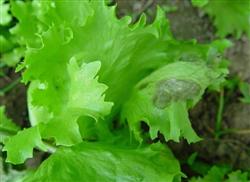
Lettuce brown spot and black spot mainly damage the leaves. Brown spot leaf spots show two types of symptoms: one initially appears water-soaked, then gradually expands into circular or irregular brown to dark gray lesions, 2-10 mm in diameter. The other is dark brown lesions with irregular edges and a water-soaked halo around the perimeter. On the damp surface of the spots, dark gray mold-like growth appears, and in severe cases the lesions merge with each other until the leaves turn brown and dry up. Black spot, also known as ring spot or leaf blight, forms circular to nearly circular brown spots on the leaves. Under different conditions the lesion size varies greatly, generally 3-15 mm, brown to grayish brown, with concentric rings, and no mold-like growth is visible in the field.
Lettuce is grown year-round in the Guangdong region. Both of these diseases can be spread, proliferated and infected through seed-borne pathogens and wind and rain. Generally, warm and humid weather with frequent rain and long periods of heavy fog and dew favors the occurrence and epidemic of these two diseases. Insufficient soil fertility, poor lettuce growth, or excessive nitrogen fertilizer causing overly vigorous growth will all aggravate the disease.
The following measures should be taken to control lettuce brown spot and black spot: (1) Before land preparation, first clean the field, deep plow and sun the soil, then apply an appropriate amount of lime and sufficient organic base fertilizer. (2) During the planting and management period, pay attention to reasonable irrigation, apply nitrogen, phosphorus and potassium in a reasonable ratio as topdressing, and spray foliar fertilizers such as plant protection agents and Lufengsu, etc., so that the plants grow robustly and their resistance is improved. (3) Before the lettuce rows close or at the early stage of disease onset, spraying should be carried out promptly. The fungicides available for selection include: Baikening or chlorothalonil (40% suspension concentrate) at 600 times, Baijunzole (50% carbendazim-sulfur wettable powder) at 800-1000 times, thiophanate-methyl or Pujunke (70% ultra-fine compound wettable powder) at 1000-1500 times, iprodione (50% wettable powder) at 1500 times, Xin'erpu (65% wettable powder) at 400 times, Baoning (60% carbendazim-thiram wettable powder) at 600-800 times. Spray once every 7-10 days, for 2-3 consecutive times.