What are the winter planting methods for broccoli?
Broccoli, also known as green cauliflower, is grown for its tender, fleshy flower stalks that form the head, which is eaten as a vegetable. It is complete in nutrients and high in nutritional value. Broccoli prefers mild and cool climates and humid environments; it dislikes heat and drought and is not tolerant of frost. The optimum temperature for seed germination is 15-30°C, the optimum temperature for plant growth is 20-22°C, and head formation...
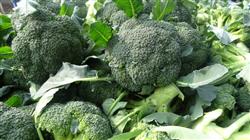
Broccoli, also known as green cauliflower, is grown for its tender, fleshy flower stalks that form the head, which is eaten as a vegetable. It is complete in nutrients and high in nutritional value. Broccoli prefers mild and cool climates and humid environments; it dislikes heat and drought and is not tolerant of frost. The optimum temperature for seed germination is 15-30°C, the optimum temperature for plant growth is 20-22°C, and the optimum temperature for head formation is 15-18°C; growth is poor above 25°C. It is easy to cultivate and is an excellent vegetable crop for generating income from idle winter land after the late rice harvest.
I. Sowing For winter planting of broccoli, first select varieties with wide adaptability and strong cold tolerance, and sow them on a pre-prepared seedbed; seedlings can also be raised in nutrient pots. The sowing rate is 20-25 grams of seed per mu. Thirty days after sowing, when the seedlings have 5-6 true leaves, they can be transplanted. Before transplanting, spray the seedbed once with insecticide and fungicide.
II. Transplanting Plow and prepare the soil 7-10 days before transplanting, and open furrows to apply basal fertilizer deeply. The basal fertilizer rate is 2,500 kg of decomposed pig and cattle manure per mu and 25 kg of compound fertilizer. After soil preparation, make beds running north-south; generally, with the furrow included, beds are 1-1.2 m wide with two rows per bed, and the bed height is 15-25 cm. The planting spacing is 45 cm x 60 cm, with about 2,500 plants per mu.
III. Field management
1. Watering: Broccoli dislikes heat and drought. Generally water once every 5-7 days, and water thoroughly.
2. Topdressing: 15-20 days after transplanting, apply 7-10 kg of urea per mu; 40 days after transplanting, when the plants have 15 leaves, apply 7-10 kg of urea per mu; when the plants have 20-21 leaves, apply 5 kg of urea, 30 kg of calcium magnesium phosphate fertilizer, and 30-50 kg of potassium fertilizer per mu. During head formation, spray with 0.1% borax 2-3 times. After the head is harvested, for varieties with strong side-shoot sprouting ability, continue topdressing and watering. Each time a side head is harvested, topdress once.
3. Cultivation, earthing up, and bud removal: Loosen the soil and hoe weeds before fertilizing, and earth up after fertilizing. For varieties grown specifically for the main head, remove the side buds before harvesting the main head; for varieties grown for both the main and side heads, keep 4-5 vigorous side shoots and remove the thin, weak side shoots.
4. Pest and disease control: Frequently check the field, and when pests or diseases are found, apply the appropriate treatment at the right time. The main diseases include soft rot and sclerotinia rot, and the pests include aphids and cabbage caterpillars, etc. IV. Harvest When the broccoli head is mature and the bud grains feel slightly loose to the touch, it is the proper harvest time. During high-temperature periods, harvest 1-2 days earlier, and cut off the head together with the flower stalk when harvesting.