Buckwheat sowing time matters, choosing the right season is key
Buckwheat emerges with its leaves, so emergence is relatively difficult and sowing should not be too deep. Sowing depth directly affects the uniformity of emergence and is the key to full stands. To get sowing depth right, first look at soil moisture: sow shallow when moisture is sufficient, deep when moisture is lacking; second, look at the sowing season: spring buckwheat should be sown deep, summer buckwheat slightly shallow; third, look at soil texture: sandy...
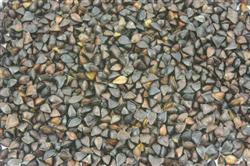
Buckwheat emerges with its leaves, so emergence is relatively difficult and sowing should not be too deep. Sowing depth directly affects the uniformity of emergence and is the key to full stands. To get sowing depth right, first look at soil moisture: sow shallow when moisture is sufficient, deep when moisture is lacking; second, look at the sowing season: spring buckwheat should be sown deep, summer buckwheat slightly shallow; third, look at soil texture: sandy soil and dry land can be sown somewhat deeper, but not more than 6 cm.
Field management is an important part of achieving high buckwheat yields. Field management has many tasks; for the key techniques in buckwheat production, adopt scientific management measures to ensure increased and stable yields.
Ensuring a full stand
When drought occurs at sowing, press the soil in time, break up large clods, firm the soil, and reduce voids, so that the soil tillage layer is loose on top and firm below, closely contacting the seed, which helps moisture rise and the seed emerge.
Buckwheat has large cotyledons and poor ability to push through the soil, and surface crusting affects emergence. As the farming saying goes, "If buckwheat does not get crusted (compacted), just put it in cloth bags." As long as there is no crusting, it is easy to get a full stand. Therefore, pay attention to breaking surface crusting, and when the ground is slightly dry after rain, harrow shallowly, to the extent that young seedlings are not damaged.
Buckwheat likes moisture but not waterlogging; too much water is detrimental to buckwheat growth, especially at the seedling stage. In low-lying land and steep land, field drainage should be done well before and after sowing buckwheat.
Intertillage and weeding
Intertillage and weeding are carried out after the first leaf has fully unfolded, and then determined by region, soil, seedling condition, and the amount of weeds. Spring buckwheat 2-3 times, summer buckwheat 1-2 times, with intertillage depth 3-5 cm. While intertilling and weeding, thin and single the seedlings, remove weak seedlings, reduce crowding among seedlings, improve the uniformity of buckwheat plants and the percentage of seed-bearing plants, and earth up the soil. Generally, before budding and the start of flowering, when plants are 20-25 cm tall, earth up the soil to promote root growth, reduce later lodging, and improve root absorption capacity and drought resistance.
Irrigation and watering
Buckwheat is a crop with relatively weak drought resistance and a high water requirement. Throughout the whole growth period, water demand is greatest during flowering and grain filling. Spring buckwheat is mostly planted on dry land and sloping land, where rainfall is low year-round or drought and flooding are uneven, and irrigation conditions are lacking; growth depends on natural rainfall, which greatly affects buckwheat yield. For plots with irrigation conditions, note that light watering is best, preferably by depression irrigation or furrow irrigation.
Supplementary pollination
Common buckwheat is a cross-pollinated crop and also has two flower types, with a low seed-setting rate. Under the same conditions it is lower than self-pollinating tartary buckwheat. A better way to improve the seed-setting rate of common buckwheat is supplementary pollination. Supplementary pollination has two types: bee-assisted pollination and artificial pollination. 1. Bee-assisted pollination: common buckwheat is an insect-pollinated crop, and honeybees and insects can improve its pollination and seed setting. Keeping and releasing bees in the field is not only one of the measures to increase buckwheat yield but also beneficial to the development of the beekeeping industry. The specific practice is: 2-3 days before flowering, place one beehive every 2-3 mu. 2. Artificial supplementary pollination: in places without conditions for releasing bees, use artificial supplementary pollination. The main method is, during the full flowering period of buckwheat, every two or three days, at 9-11 o'clock, use a piece of cloth 240-300 cm long and 30 cm wide with a rope tied to each end, with two people each holding one end, and gently pull it along the top of the buckwheat to shake the plants.