Detailed Explanation of Key Techniques for High-Yield Cultivation of Autumn Buckwheat
Buckwheat is rich in various minerals and vitamins, with unique nutritional value, and has become a new generation of green nutritional health food among coarse grains. It is a grain crop with both high nutritional value and medicinal value. Focus on the following 6 techniques: 1. Select high-yield improved varieties. The main recommended improved buckwheat varieties are Xiqiao No. 1 and Xiqiao No. 2. 2. ...
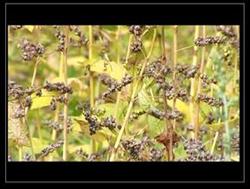
Buckwheat is rich in various minerals and vitamins, with unique nutritional value, and has become a new generation of green nutritional health food among coarse grains. It is a grain crop with both high nutritional value and medicinal value. Focus on the following 6 techniques:
1. Select high-yield improved varieties. The main recommended improved buckwheat varieties are Xiqiao No. 1 and Xiqiao No. 2.
2. Sow early at the right time and sow mixed varieties. Sowing from the Beginning of Autumn to the End of Heat is ideal, and no later than the end of August. Before sowing, sun-dry the seeds for 1 day, soak them in warm water at about 40°C for 10 minutes, then remove them and sow immediately. Drill in rows or broadcast evenly, then cover with a shallow layer of soil. Buckwheat is a cross-pollinated crop. Mixing 2-3 excellent varieties for sowing can extend the flowering and pollination period, increase the cross-pollination rate and seed plumpness, and help increase yield.
National Medical Products Administration issues a warning on eating poisonous mushrooms
3. Apply more phosphorus and potassium fertilizer. The growth period of autumn buckwheat is relatively short, so in fertilization methods, heavy application of base fertilizer should be used, with increased application of phosphorus and potassium fertilizer. Base fertilizer should be the main focus. Apply 1000 kg of pig and cattle pen manure, 15-20 kg of phosphate fertilizer, and about 30 kg of plant ash per mu.
4. Manage early. Prevent drought and drain waterlogging to ensure full stands and strong seedlings. After thinning to a stand, apply 5-6 kg of urea per mu as a seedling-promoting fertilizer; at the bud stage, remove the growing point of the main inflorescence to promote branching. During the flowering period, carry out artificial pollination 2-3 times to promote seed setting and increase yield.
5. Prevent and control diseases and pests. Pay attention to preventing and controlling damping-off, ring rot, brown spot, and white mold, as well as pests such as the voracious armyworm and the meadow moth.
6. Harvest at the right time. Harvest when the crop is at the eight-tenths ripe stage.