How to apply topdressing to napa cabbage? Fertilizing according to the growth stage works well
Napa cabbage has high yield and a large fertilizer demand. On the basis of applying sufficient base fertilizer, do not rush to apply topdressing. Topdressing should be determined according to different growth stages and seedling conditions. Generally, no topdressing is applied at the seedling stage. If the base fertilizer is insufficient, the first application can be made at the 3-4 true leaf stage, applying 10 kg of ammonium sulfate per mu, broadcast on both sides of the seedlings, and watered immediately, which is called...
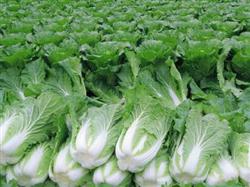
Napa cabbage has high yield and a large fertilizer demand. On the basis of applying sufficient base fertilizer, do not rush to apply topdressing. Topdressing should be determined according to different growth stages and seedling conditions. Generally, no topdressing is applied at the seedling stage. If the base fertilizer is insufficient, the first application can be made at the 3-4 true leaf stage, applying 10 kg of ammonium sulfate per mu, broadcast on both sides of the seedlings, and watered immediately, which is called "seedling-promoting fertilizer"; the second application, after final thinning or after transplanting seedlings, applies 15-20 kg of ammonium sulfate per mu, placed in furrows opened on both sides of the ridge, which is called "plant-development fertilizer"; the third application, at the rosette stage, applies 25-30 kg of ammonium sulfate and 10-15 kg of superphosphate per mu, with the fertilizer placed into furrows or holes, then slightly earthed up to support the ridge, and then watered, which is called "heavy topdressing"; the fourth application, at the mid-heading stage, applies 15-20 kg of ammonium sulfate per mu, which can be washed in with irrigation water, which is called "heart-filling fertilizer".
From the cluster-forming stage to the rosette stage, the temperature of napa cabbage gradually drops and the weather is mild. During this period, it can be watered appropriately. At the late rosette stage, water can be controlled appropriately for several days, and watering should be resumed after the third topdressing. After napa cabbage enters the heading stage, it needs the most water. Therefore, as soon as the seedling-restraining period ends, it should be given one thorough watering, and then after 2-3 days, a second watering should follow. This one is very important. If the soil cracks from drying at this time, it will cause the lateral roots to break and the fine roots to die, affecting head formation. After that, water generally once every 5-6 days to keep the soil moist.