How to manage eggplant seedlings? Master these key points to grow strong seedlings
After 70% of the seeds in the seedbed have emerged, remove the plastic film covering the seedbed soil. Spray water frequently to keep the soil moist. During this period, pay attention to controlling soil-dwelling pests; the method is to use 80% dichlorvos emulsifiable concentrate, dilute it with 1200-1500 times water, and pour it on the seedbed. When the seedlings have 2 true leaves, they should be pricked out; prepare the...
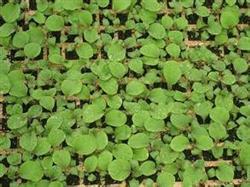
After 70% of the seeds in the seedbed have emerged, remove the plastic film covering the seedbed soil. Spray water frequently to keep the soil moist. During this period, pay attention to controlling soil-dwelling pests; the method is to use 80% dichlorvos emulsifiable concentrate, dilute it with 1200-1500 times water, and pour it on the seedbed. When the seedlings have 2 true leaves, they should be pricked out; prepare the seedbed for pricking out, and transplant the seedlings at a spacing of 8 cm x 8 cm. After transplanting, water thoroughly and maintain a high temperature to promote recovery. 28°C-30°C during the day, around 20°C at night, and they will recover in 2-3 days. When the seedlings grow to 9-10 true leaves, that is, 7-10 days before planting, begin cutting the soil blocks and sunning the blocks.
Harden the seedlings at low temperature by watering the seedbed thoroughly, then cutting the soil with the seedlings into blocks, and gradually increasing ventilation. Remove the straw covering at night, and appropriately control temperature and moisture before planting. The standard for strong eggplant seedlings is: seedling age 50-60 days, dwarfed plants, upright and straight, flower buds appearing at the first eggplant, dark green leaves, and a complete root system. Before planting, carry out one more pest control treatment, spraying with 40% dimethoate emulsifiable concentrate at 1200-1500 times solution or deltamethrin at 5000 times solution.