Transmission Routes and Control Methods of Barley Covered Smut
How is barley covered smut transmitted? What control methods are there? (1) Occurrence pattern: The transmission routes of the barley covered smut pathogen occur in two situations: one situation is that during threshing, black powder (chlamydospores) gets mixed in, and the chlamydospores adhere to the seed surface; after barley is sown, the chlamydospores germinate into hyphae and invade the young tissues of the barley seedlings...
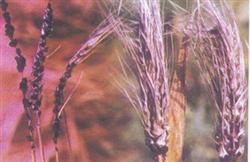
How is barley covered smut transmitted? What control methods are there? (1) Occurrence pattern: The transmission routes of the barley covered smut pathogen occur in two situations: one situation is that during threshing, black powder (chlamydospores) gets mixed in, and the chlamydospores adhere to the seed surface; after barley is sown, the chlamydospores germinate into hyphae and invade the young tissues of the barley seedlings; the other situation is that during seed storage, when higher temperatures are encountered, the chlamydospores germinate, producing hyphae that adhere to the seed surface or invade the interior of the seed. After emergence, this mycelium latent on the seed surface and inside the seed continues to grow along with the barley seedlings, forming diseased plants. (2) Control methods: ① Select disease-free seeds. ② Seed disinfection. Soak the seeds in 1% limewater for 2 to 3 days. When soaking the seeds, never break the thin film on the surface of the limewater, because the film can isolate air and help kill pathogens. Alternatively, dress the seeds with 0.5% of the seed amount of 50% thiram wettable powder. ③ Sow at the appropriate time, sow appropriately shallowly, and strive for the barley seedlings to emerge quickly to reduce infection by the pathogen.