Symptom Identification and Chemical Control Methods for Tomato Sour Rot
The symptoms currently occur only in a few regions. It damages only the fruit, and mostly overripe fruit; fruit with wounds is especially susceptible. The diseased part softens, the skin turns slightly brown, becomes wet-rotten and slightly wrinkled, with fine cracks. When humidity is high, sparse white mold grows on the surface of the diseased part. Finally the diseased fruit leaks water, rots, and has a sour odor. Disease pattern...
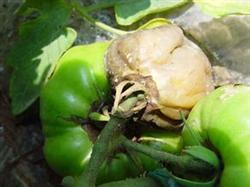
Symptoms The symptoms currently occur only in a few regions. It damages only the fruit, and mostly overripe fruit; fruit with wounds is especially susceptible. The diseased part softens, the skin turns slightly brown, becomes wet-rotten and slightly wrinkled, with fine cracks. When humidity is high, sparse white mold grows on the surface of the diseased part. Finally the diseased fruit leaks water, rots, and has a sour odor.
Disease pattern The pathogen overwinters as mycelium in the soil or as conidia attached to greenhouse and tunnel frames or containers. The conidia spread through airflow, and mostly invade through wounds or weakened areas to cause disease. The pathogen has strong saprophytic ability; after harvest, contact with healthy fruit during piling, storage or transport can spread the infection. 23-28°C and relative humidity above 85% in the greenhouse favor disease development. When there are many wounds or during large-scale storage and transport, the disease is likely to occur.
Control methods
(1) Agricultural measures When cultivating tomatoes in greenhouses, use raised beds covered with plastic mulch, and pay attention to ventilation and dehumidification. For open-field cultivation, drain promptly after rain to reduce field humidity. Harvest promptly when the fruit is ripe, harvest carefully, and avoid wounding the fruit. Control boring pests such as the cotton bollworm, and eliminate them before they bore into the fruit. After harvest, remove damaged and diseased fruit.
(2) Chemical control Carry out chemical control promptly at the early stage of the disease. You can use 70% mancozeb wettable powder at 500 times dilution, or 75% chlorothalonil wettable powder at 600 times dilution, or 30% Ludebao wettable powder at 400 times dilution, or 77% Kocide wettable powder at 500 times dilution, or 14% copper-ammonia complex wettable powder at 400 times dilution for spray control.