How to Effectively Prevent and Control Fertilizer Burn in Tomatoes
Leaf mold is a major disease of greenhouse tomatoes. It mainly damages the leaves. Insufficient light, poor ventilation, and excessive humidity inside the greenhouse are the main causes of leaf mold. The control methods are: choose disease-resistant varieties, such as Jingyan Jiafen No. 17. Strengthen temperature and humidity management, and ventilate in time to reduce humidity. Balance fertilization, use formula fertilization...
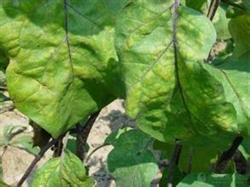 The main causes of fertilizer burn in tomatoes are applying too large a single dose of chemical fertilizer or using improper application methods, which damages the tomato root system, reduces its absorption capacity, and affects the leaves, causing yellowing, wilting, mosaic patterns, and even the death of the entire plant. To prevent fertilizer burn in tomatoes, the following management measures should be taken.
1. Apply more organic fertilizer. At present, most tomato growers only focus on applying chemical fertilizers and neglect the use of organic fertilizer. This not only easily causes fertilizer burn, but also causes the soil to become compacted. Therefore, more organic fertilizer should be applied to improve the soil environment, minimize the amount of chemical fertilizer used, and reduce the probability of fertilizer burn.
2. Soil testing and formula fertilization. According to the soil conditions of the tomato field and the fertilizer requirements at different growth stages, implement formula fertilization. Do not use a single fertilizer. For example, when potassium fertilizer is used in excess, it affects the tomato root system's absorption and utilization of boron, magnesium, iron, zinc, and others. For this reason, fertilizers should be used alternately, and excessive use of any one fertilizer must be strictly prevented. Fertilization should also be uniform. After fertilizing, water immediately or apply fertilizer with irrigation water, so that the fertilizer dissolves into the soil as quickly as possible, reducing the fertilizer concentration and facilitating absorption by the tomatoes.
3. Adopt scientific fertilization methods. Use layered fertilization and deep full-layer application so that the fertilizer blends into the soil, and do not leave fertilizer exposed on the soil surface. If a nutrient element has already been applied in sufficient amount before planting, but symptoms of deficiency of that element still appear after planting, it should first be addressed by foliar spraying to promote normal growth.
4. Remedial measures. If symptoms of fertilizer burn are found in tomatoes, water immediately. Generally, after watering 2-3 times, the fertilizer burn can be relieved. At the same time, some plant nutrient solution can be sprayed to enhance the resistance of the tomatoes and reduce the losses caused by fertilizer burn.