How to prevent soybean lodging? A detailed guide to practical prevention methods
Lodging in the late growth stage of soybeans affects soybean yield and quality, and is not conducive to harvesting. The first thing to consider as a cause is whether the variety is suitable. Some varieties have taller plants and thinner stems, are suited to plots with medium to low water and fertilizer, and belong to the barren-tolerant type. If plant density is too high, field ventilation and light penetration are poor, plant stems are thin and weak, tall but not sturdy, and lodging is easily caused.
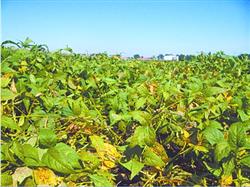
Lodging in the late growth stage of soybeans affects soybean yield and quality, and is not conducive to harvesting. The first thing to consider as a cause is whether the variety is suitable. Some varieties have taller plants and thinner stems, are suited to plots with medium to low water and fertilizer, and belong to the barren-tolerant type. If plant density is too high, field ventilation and light penetration are poor, plant stems are thin and weak, tall but not sturdy, and lodging is easily caused.
To prevent soybean lodging, first select appropriate varieties according to soil fertility. For plots with medium to high fertility or above, choose varieties with thick, sturdy stems, slightly shorter plants, and resistance to lodging and fertilizer. The seeding rate should be moderate, and after emergence, thin the seedlings by hand in time to create a population with a reasonable density. For high-fertility plots, control seedling growth at the seedling stage according to seedling conditions, and combine hilling with cultivation. Pay attention to a reasonable balance of nitrogen, phosphorus, and potassium fertilizers, and apply fertilizer and irrigate reasonably according to seedling conditions and weather. For vigorously growing soybeans, spray growth regulators such as triiodobenzoic acid (abbreviated as 2, 3, 5-triiodobenzoic acid), Zengchanling (chemical name 4-sulfophenylchloroacetic acid), and paclobutrazol (also known as chlorobutrazol) at the early flowering stage. In addition to controlling excessive growth and preventing lodging, they also have a yield-increasing effect. Topping at the right time can also play a role in dwarfing plants, strengthening stems, and preventing lodging.