How to respond when greenhouse celery encounters disastrous weather
How should you respond when growing celery in a greenhouse encounters disastrous weather? When cultivating celery in greenhouses in winter and early spring, it often encounters disastrous weather such as prolonged overcast days, strong winds, snowfall, and rainfall, causing insufficient light inside the greenhouse, lower temperatures, increased humidity, and worsened diseases, seriously affecting the photosynthesis of celery, aff...
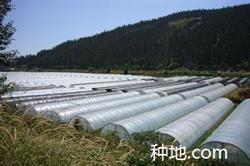
Growing celery in a greenhouse: how should you respond when encountering disastrous weather?
When cultivating celery in greenhouses in winter and early spring, it often encounters disastrous weather such as prolonged overcast days, strong winds, snowfall, and rainfall, causing insufficient light inside the greenhouse, lower temperatures, increased humidity, and worsened diseases, seriously affecting the photosynthesis of celery and affecting yield and quality. Therefore, attention must be paid in management to prevent in advance and reduce losses.
Celery prefers a cool climate, and the suitable growth temperature is 15-20°C. Above 28°C, plant growth is inhibited, causing the petioles to thicken, with well-developed cuticle tissue and vascular bundles, and in severe cases causing hollow petioles, seriously affecting quality. Therefore, without affecting the temperature requirements for normal growth of celery, uncover the straw mats as much as possible during the day so that the celery gets more light. Avoid not uncovering the cotton quilts or straw mats for several consecutive days.
In case of windy days, pay attention to wind protection, stop ventilation, seal the ventilation openings tightly, and press down the cotton quilts or straw mats to prevent them from being blown away by the wind and to avoid freezing injury to the celery plants. After the wind, promptly tidy the greenhouse surface, carefully tend the injured plants, and promptly spray drugs such as carbendazim or chlorothalonil to prevent celery late blight and leaf spot, while combining with Meibang "Tongzhimai" humic acid foliar fertilizer to increase plant nutrition, improve plant resistance, and accelerate plant growth and development. When necessary, apply "Shenggen Duobao" humic acid fertilizer with irrigation water to promote roots and strengthen the plants.
In winter, when encountering heavy snow and low temperatures, prevent low-temperature freezing injury to the plants at night, and pay attention to covering for insulation. When it suddenly clears up after snow, avoid the soil of the celery plants being exposed to strong sunlight, especially when the celery plants have already been slightly frozen and some plants have already fallen over on the ground. Take real care, and appropriately lower part of the cotton quilts or straw mats, open the ventilation openings slightly, and let the temperature inside the greenhouse rise slowly. After the fallen plants stand upright, resume normal management. Under normal circumstances, spraying the leaves with 2% brown sugar + "Tongzhimai" humic acid foliar fertilizer at 800 times dilution can accelerate the recovery of plant growth.
During prolonged overcast days and snowy days, strictly stop watering and fertilizing, especially do not topdress chemical fertilizers such as urea, so as to avoid rapidly lowering the ground temperature and increasing the humidity inside the greenhouse. At this time, dust agents or smoke agents can be used, or smoke can be generated inside the greenhouse to reduce fog. When the snowfall is heavy, remove snow promptly to prevent the greenhouse from being crushed and damaged.
More celery cultivation techniques