How can celery be grown in a greenhouse for high yields?
How can celery grown in a greenhouse achieve high yields? Because celery has strong stress resistance and good productivity, it is suitable for production in plastic solar greenhouses. China Agricultural Technology Network reminds you that when producing celery in a plastic solar greenhouse, taking the following measures will help increase yields. High-yield and high-quality varieties. Varieties differ, ...
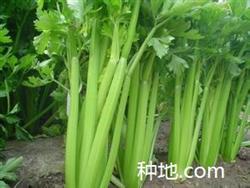
How can celery grown in a greenhouse achieve high yields?
Because celery has strong stress resistance and good productivity, it is suitable for production in plastic solar greenhouses. China Agricultural Technology Network reminds you that when producing celery in a plastic solar greenhouse, taking the following measures will help increase yields.
High-yield and high-quality varieties. Varieties differ greatly in their production capacity. Some varieties yield only 3000-4000 kg per mu, while varieties with good productivity can reach 8500 kg per mu. For greenhouse production, you can choose the more productive Italian winter celery or American solid celery, and you can also choose solid-stalk green celery and Glass Crisp.
Soil preparation and fertilization. After the greenhouse is built, apply 5000-6000 kg of high-quality farmyard manure, 50 kg of calcium superphosphate, and 25 kg of ammonium bicarbonate per mu, spread them evenly on the soil surface, then plow once to a depth of about 30 cm, and finally level the land into flat beds 1.5-1.8 m wide.
Direct sowing is suitable. In celery cultivation, the method of raising seedlings and transplanting is generally used, but according to production experience, when producing celery in a plastic solar greenhouse, direct sowing has more advantages, mainly because it does not damage the root system and there is no seedling recovery period. The root system is strong, the absorption capacity is strong, and fertilizer and water are fully utilized, which is conducive to vigorous aboveground growth and promotes increased yield. Generally, sowing should be done 10-15 days after the greenhouse film is put up. Before sowing, the seeds should be soaked. When soil moisture is good, sow shallowly; when soil moisture is poor, sow appropriately deeply to help ensure a full stand.
Management: It mainly includes two aspects, management during the celery growing period and management of the environment.
1. Growing period management: When the celery seedlings grow to 3 true leaves, thin and set the seedlings at a plant spacing of 13 cm. Cultivate and weed in time. When they grow to 5 true leaves, begin watering and keep the ground moist frequently. When the leaf stalks are 10 cm long, begin topdressing, applying about 10 kg of ammonium bicarbonate per mu. When they are 25 cm long, apply another 15 kg of ammonium bicarbonate per mu. After each topdressing, water promptly to facilitate the plant's absorption and utilization of fertilizer, promote growth, and when the leaf stalks grow to about 40 cm, harvest promptly.
2. Environmental management: In the early stage after sowing, because the outside temperature is still high, ventilation should be strengthened and the temperature should be controlled between 18°C and 20°C. After entering December, the outside temperature turns cold, so straw mats can be covered earlier appropriately to raise the temperature in the greenhouse and keep the temperature at about 20°C. Celery is a moisture-loving crop. During cultivation, the ground should be kept moist frequently. Celery does not have strict light requirements, and appropriately weak light is beneficial to celery growth. A daily light duration of 6-9 hours is sufficient.
Harvest: The leaf stalks of celery have strong regeneration ability. Using the methods of snapping harvest or cutting harvest can help increase yield. When snapping harvest is used, snap 3-4 leaves from each plant each time, and fertilize and water promptly after snapping harvest. When cutting harvest is used, leave a stubble of 3-5 cm, and after cutting, apply 2000-3000 kg of high-quality farmyard manure per mu, and water promptly after application.
More celery cultivation techniques